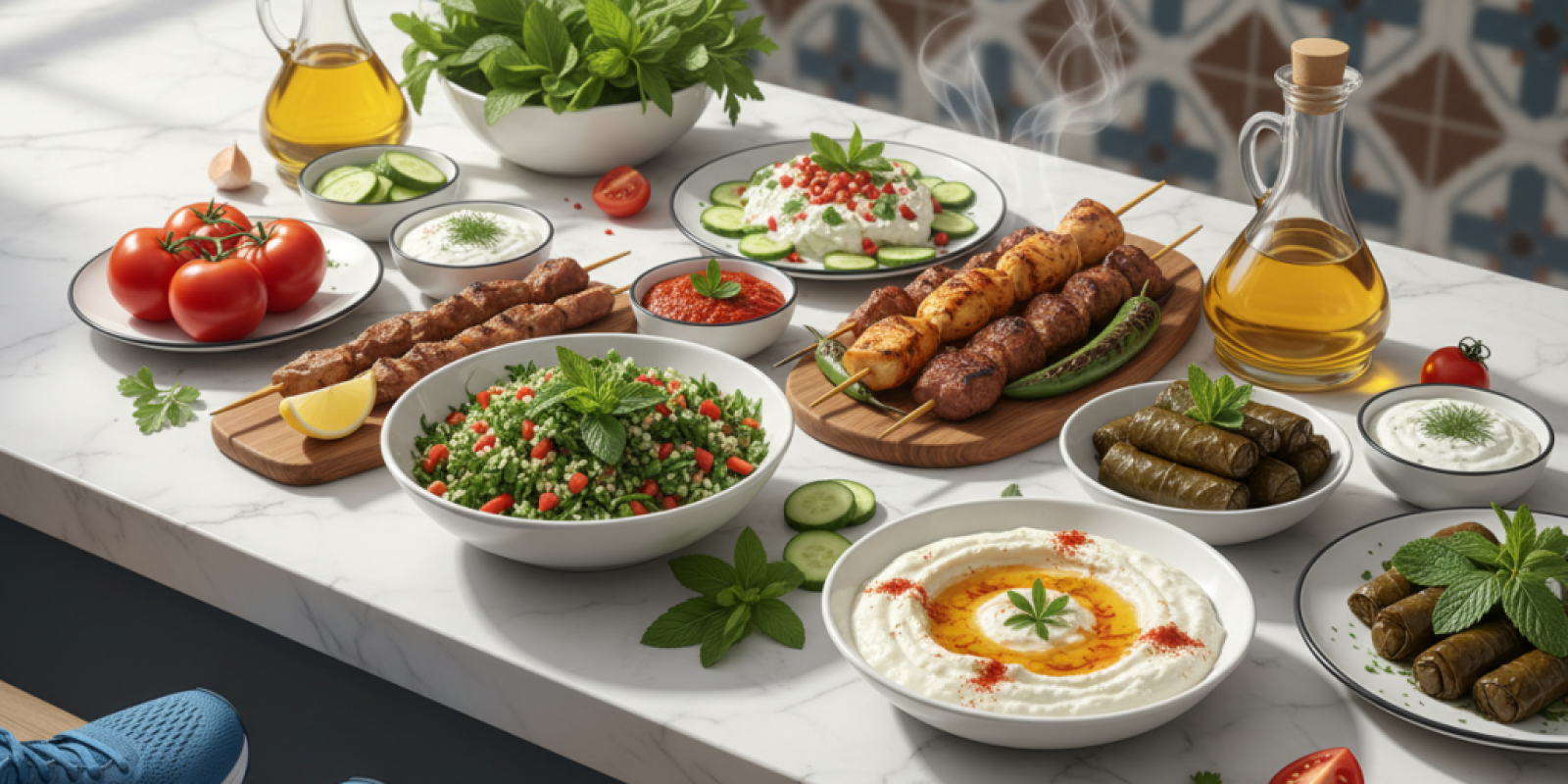
Turkish Cuisine: Quick Healthy Recipes for Active Lifestyles
Table of Contents
1. Introduction to Turkish Cuisine for Active People
2. Why Turkish Food is Perfect for Active Lifestyles
3. Essential Turkish Ingredients for Quick Cooking
4. Quick Turkish Breakfast Recipes for Energy
5. Fast and Nutritious Turkish Lunch Options
6. Light Turkish Dinner Ideas
7. Turkish Snacks for Pre and Post-Workout
8. Time-Saving Turkish Cooking Tips
9. Conclusion
10. Frequently Asked Questions
Introduction to Turkish Cuisine for Active People
When you think of Turkish cuisine, your mind might wander to elaborate feasts with slow-cooked stews and time-intensive preparations. But here’s the thing – Turkish food culture has always embraced quick, nutritious meals that fuel busy lives. As someone who’s spent countless hours exploring Turkish kitchens and talking to home cooks across Turkey, I can tell you that the country’s culinary tradition is packed with recipes perfect for active individuals who need wholesome food fast.
Turkish cuisine offers an incredible balance of fresh vegetables, lean proteins, healthy fats, and complex carbohydrates. These elements make it an ideal choice for people leading active lifestyles, whether you’re a busy professional squeezing in morning workouts, a parent juggling sports practices, or an athlete looking for performance-enhancing nutrition.
The beauty of Turkish cooking lies in its simplicity and the way it maximizes flavor with minimal effort. You don’t need to spend hours in the kitchen to enjoy authentic Turkish flavors that nourish your body and satisfy your taste buds.

Why Turkish Food is Perfect for Active Lifestyles
Turkish cuisine naturally aligns with the nutritional needs of active people. The Mediterranean influence brings heart-healthy olive oil, fresh herbs, and plenty of vegetables to every meal. Meanwhile, the protein-rich traditions ensure you’re getting enough fuel for muscle recovery and sustained energy.
What makes Turkish food particularly suitable for busy schedules is its emphasis on fresh, minimally processed ingredients that cook quickly. Many traditional Turkish dishes were actually developed by nomadic peoples who needed nutritious meals that could be prepared efficiently while on the move.
The typical Turkish meal structure also supports active lifestyles perfectly. Breakfast tends to be protein and healthy fat-rich, lunch often features quick-cooking legumes and vegetables, and dinner emphasizes lean proteins with plenty of fresh accompaniments. This natural rhythm matches what nutritionists recommend for people with demanding physical schedules.
Essential Turkish Ingredients for Quick Cooking
Building a Turkish-inspired pantry doesn’t require exotic ingredients. Most items are readily available in regular supermarkets, and having them on hand makes quick meal preparation effortless.
Your spice rack should include cumin, paprika, sumac, and dried mint – these four seasonings alone can transform simple ingredients into flavorful Turkish dishes. Bulgur wheat deserves a permanent spot in your pantry as it cooks faster than rice and provides more fiber and protein.
For proteins, keep canned chickpeas and lentils handy alongside fresh options like chicken breast, lean ground beef, and white fish. Turkish cuisine makes excellent use of these quick-cooking proteins in ways that feel both satisfying and light.
Fresh ingredients that store well include tomatoes, cucumbers, parsley, and red onions. These form the backbone of many Turkish salads and side dishes that can be prepared in minutes. Don’t forget good quality olive oil and plain Greek yogurt – two ingredients that appear in countless Turkish recipes and add both flavor and nutritional value.
Quick Turkish Breakfast Recipes for Energy
Turkish breakfasts are legendary for good reason – they provide sustained energy without leaving you feeling heavy. The traditional approach of combining protein, healthy fats, and vegetables creates the perfect foundation for active days.
Menemen, Turkey’s answer to scrambled eggs, takes just five minutes to prepare. Simply sauté diced tomatoes with a touch of olive oil, add beaten eggs, and scramble until just set. The result is a protein-rich meal that’s infinitely more interesting than plain scrambled eggs. Add some crumbled feta cheese or fresh herbs if you have them on hand.
For grab-and-go mornings, prepare Turkish-style overnight oats by combining oats with Greek yogurt, a drizzle of honey, and chopped walnuts. This provides the perfect balance of complex carbohydrates and protein to fuel morning workouts or busy commutes.
Cheese and tomato toast gets a Turkish upgrade when you use good bread, fresh tomatoes, and a sprinkle of sumac. This simple combination provides quick energy and the antioxidants your body needs to handle daily stress.
Fast and Nutritious Turkish Lunch Options
Lunch in Turkish culture often centers around legumes, vegetables, and grains – exactly what active people need for sustained afternoon energy. The key is choosing recipes that can be prepared quickly or made ahead in larger batches.
Turkish lentil soup might sound time-consuming, but the quick version using red lentils cooks in just 20 minutes. Combine red lentils with broth, diced onions, and a touch of tomato paste. Season with cumin and paprika, then blend until smooth. This protein-packed soup keeps you satisfied without the afternoon energy crash that comes from heavier meals.
Bulgur salad, known as kısır, makes an excellent make-ahead lunch option. Mix fine bulgur with boiling water, let it absorb for 15 minutes, then toss with diced tomatoes, parsley, lemon juice, and olive oil. The result is a fiber-rich, satisfying meal that travels well and tastes better after the flavors have had time to meld.
For protein-focused lunches, try quick Turkish-spiced chicken wraps. Season chicken strips with cumin, paprika, and garlic powder, then cook in a hot pan for just a few minutes. Wrap in lavash bread with fresh vegetables and a dollop of yogurt for a balanced, portable meal.
Light Turkish Dinner Ideas
Turkish dinners excel at being both satisfying and light – perfect for active people who want to refuel without feeling overly full before evening activities or rest.
Grilled fish with Turkish-style vegetables showcases this approach beautifully. Season white fish fillets with lemon, olive oil, and herbs, then grill for just a few minutes per side. Serve alongside quickly sautéed zucchini, tomatoes, and onions seasoned with fresh dill. The entire meal comes together in under 20 minutes and provides lean protein with plenty of vegetables.
Turkish-style stuffed peppers offer comfort food satisfaction without the heaviness. Instead of the traditional rice filling, use a mixture of bulgur, diced tomatoes, herbs, and a small amount of ground turkey. The peppers steam-cook in just 25 minutes, creating a complete meal that’s both nutritious and satisfying.
For vegetarian options, consider Turkish white bean salad served with grilled halloumi cheese. The beans provide plant-based protein and fiber, while the cheese adds satisfying richness. Dress with olive oil, lemon juice, and fresh herbs for a meal that feels both light and substantial.
Turkish Snacks for Pre and Post-Workout
Turkish cuisine offers excellent options for fueling workouts and supporting recovery. These snacks combine the right balance of nutrients while being easy to prepare and transport.
Roasted chickpeas, a popular Turkish street snack, make an ideal pre-workout fuel. Drain and rinse canned chickpeas, toss with olive oil and spices like cumin or paprika, then roast until crispy. These provide complex carbohydrates and plant-based protein in a portable, shelf-stable form.
For post-workout recovery, Turkish yogurt with honey and walnuts delivers the protein and carbohydrates your muscles need. The thick, strained yogurt provides more protein than regular varieties, while the nuts add healthy fats and the honey offers quick-digesting carbohydrates.
Fresh fruit with Turkish delight might sound indulgent, but traditional rose or lemon-flavored varieties made with natural ingredients can provide quick energy for intense training sessions. Pair with fresh figs or grapes for additional vitamins and minerals.
Time-Saving Turkish Cooking Tips
Mastering a few Turkish cooking techniques can dramatically reduce your time in the kitchen while maximizing flavor. These methods have been refined over centuries to create maximum impact with minimal effort.
Batch-cooking grains like bulgur and rice at the beginning of the week provides the foundation for multiple quick meals. Turkish cooks often prepare large quantities of these staples, then use them throughout the week in different combinations with fresh ingredients.
The Turkish technique of blooming spices in oil for just 30 seconds before adding other ingredients creates deep, complex flavors without long cooking times. This simple step transforms ordinary ingredients into something special.
Preparing herb and spice mixtures in advance saves precious time during busy weekdays. Mix combinations like cumin, paprika, and garlic powder in small containers, ready to season proteins or vegetables at a moment’s notice.
Turkish cooks also excel at one-pot meals that minimize cleanup while maximizing nutrition. These dishes typically start with aromatics and spices, add protein and vegetables in stages based on cooking time, and finish with fresh herbs or a squeeze of lemon.
Conclusion
Turkish cuisine offers active people exactly what they need: nutritious, flavorful meals that don’t require hours of preparation. The emphasis on fresh vegetables, lean proteins, healthy fats, and complex carbohydrates aligns perfectly with the nutritional needs of people leading busy, active lives.
What I find most appealing about incorporating Turkish recipes into an active lifestyle is how naturally they fit into busy schedules. These aren’t complicated restaurant dishes requiring special techniques – they’re home-cooking traditions developed by people who understood the need for quick, nourishing meals.
The recipes and techniques shared here represent just a small sample of what Turkish cuisine offers to active individuals. As you experiment with these flavors and methods, you’ll likely find yourself naturally gravitating toward this style of eating because it simply makes you feel better – more energized, better nourished, and more satisfied.
Start with one or two recipes that appeal to you, build your pantry with the essential ingredients, and gradually expand your repertoire. Before long, you’ll have a collection of go-to Turkish-inspired meals that support your active lifestyle while bringing new and exciting flavors to your table.
Frequently Asked Questions
Can Turkish recipes be adapted for specific dietary restrictions?
Absolutely! Turkish cuisine is naturally accommodating to various dietary needs. Many traditional dishes are already vegetarian or can be easily modified. For gluten-free diets, substitute bulgur with quinoa or rice. Dairy-free versions work well by using olive oil instead of yogurt-based sauces and omitting cheese.
How long do Turkish meal prep dishes stay fresh?
Most Turkish grain and legume salads actually improve in flavor after a day or two in the refrigerator and stay fresh for up to 5 days. Cooked proteins like seasoned chicken or fish should be consumed within 3-4 days. Soups and stews typically keep well for up to a week when properly stored.
Are Turkish spices expensive and hard to find?
Not at all! The essential Turkish spices – cumin, paprika, and dried mint – are available in most supermarkets and are quite affordable. Sumac might require a trip to a Middle Eastern market or online ordering, but a small container lasts for months and adds incredible flavor to salads and grilled meats.
Can these recipes work for meal prep?
Turkish cuisine is excellent for meal prep! Many dishes like bulgur salads, lentil soups, and seasoned proteins actually taste better after the flavors have had time to develop. Prepare grains and proteins in batches, then combine with fresh vegetables throughout the week for varied, nutritious meals.
What’s the best way to start incorporating Turkish flavors into my current routine?
Begin by adding Turkish spice blends to familiar foods – season your usual chicken breast with cumin and paprika, or add sumac to your regular salad. Once you’re comfortable with the flavors, try simple recipes like menemen or Turkish yogurt with honey. Gradually build up to more complex dishes as your confidence grows.