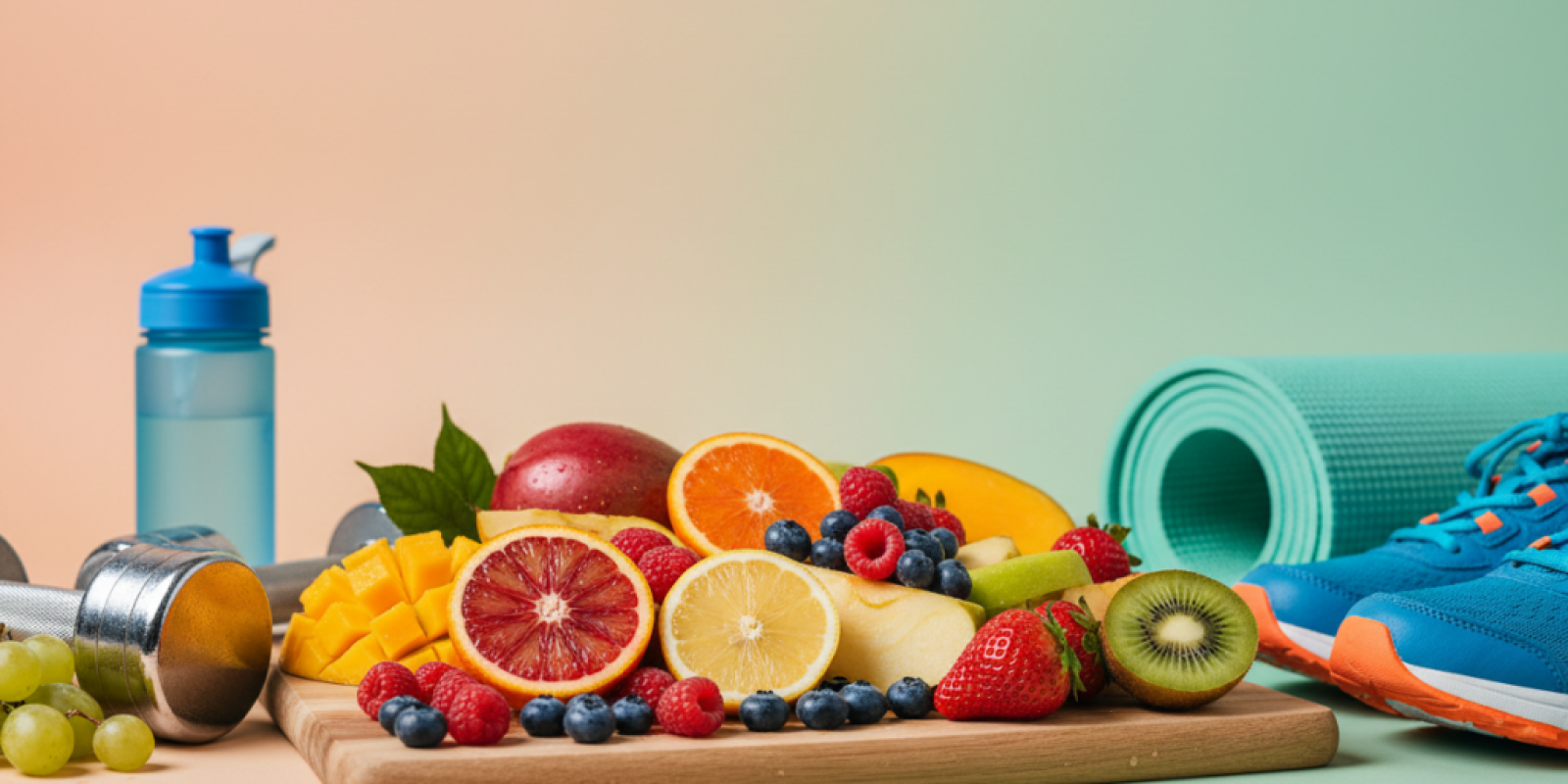
How to Choose the Right Seasonal Fruits for Your Fitness Goals
Table of Contents
1. Introduction: The Power of Seasonal Fruit Selection
2. Understanding Your Fitness Goals and Nutritional Needs
3. Spring Fruits: Energizing Your Workout Routine
4. Summer Fruits: Hydration and Recovery Champions
5. Fall Fruits: Building Strength and Endurance
6. Winter Fruits: Immune Support and Sustained Energy
7. Pre-Workout vs. Post-Workout Fruit Timing
8. How to Incorporate Seasonal Fruits into Your Meal Plan
9. Common Mistakes to Avoid When Choosing Fitness Fruits
10. Conclusion: Making Seasonal Fruits Work for You
11. Frequently Asked Questions
Introduction: The Power of Seasonal Fruit Selection
When I first started my fitness journey five years ago, I made the classic mistake of grabbing the same old apples and bananas from the grocery store year-round. It wasn’t until I discovered the incredible benefits of eating seasonally that my performance truly transformed. Choosing the right seasonal fruits for your fitness goals isn’t just about following trends – it’s about maximizing nutrition, optimizing performance, and supporting your body’s changing needs throughout the year.
Seasonal fruits offer peak nutritional value when they’re naturally harvested, providing your body with exactly what it needs during different times of the year. Spring fruits energize us as we emerge from winter hibernation, summer varieties keep us hydrated during intense training sessions, fall produce builds our strength for colder months, and winter fruits support our immune system when we need it most.
Whether you’re training for a marathon, building muscle, or simply maintaining a healthy lifestyle, understanding how to align your fruit choices with both the seasons and your specific fitness objectives can be a game-changer for your results.
Understanding Your Fitness Goals and Nutritional Needs
Before diving into seasonal selections, let’s establish what your body actually needs based on your fitness goals. Different training styles demand different nutritional support, and fruits can play a crucial role in meeting these requirements.
For endurance athletes, the focus should be on fruits high in natural sugars and electrolytes that provide quick energy and support hydration. Think about those long training runs where your glycogen stores become depleted – this is where strategic fruit consumption becomes essential.
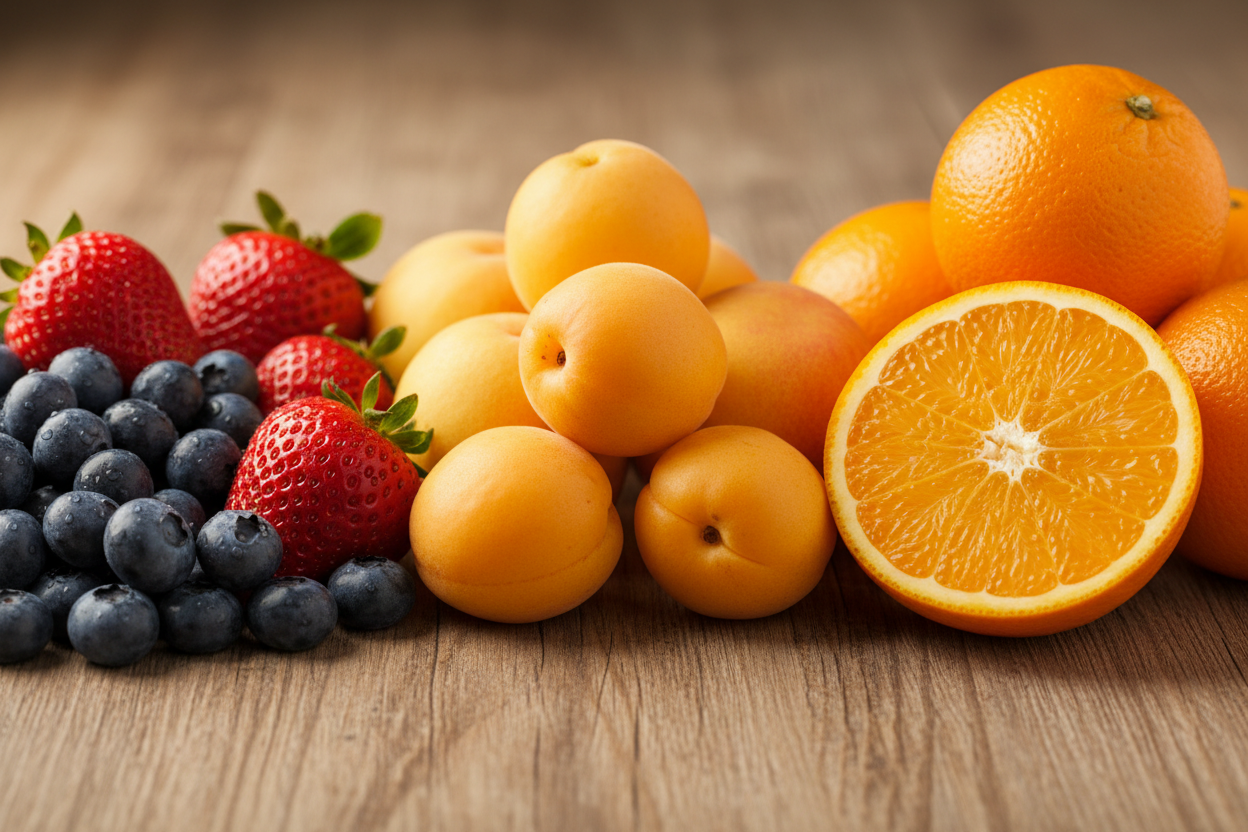
Strength training enthusiasts need fruits rich in antioxidants to combat exercise-induced oxidative stress and support muscle recovery. The inflammatory response from heavy lifting requires targeted nutrition to optimize adaptation and minimize excessive soreness.
Weight loss goals call for fruits that are lower in calories but high in fiber and water content, helping you feel satisfied while maintaining a caloric deficit. The satiety factor becomes crucial when you’re trying to manage hunger during a cutting phase.
General fitness and wellness goals benefit from a diverse range of fruits that provide comprehensive micronutrient support, ensuring your body has all the tools it needs for optimal function and recovery.
Spring Fruits: Energizing Your Workout Routine
Spring arrives with a burst of fresh energy, and the season’s fruits perfectly complement this renewal. After months of heavier winter foods, our bodies crave the light, cleansing properties that spring produce provides.
Strawberries are spring’s superstar for fitness enthusiasts. These ruby gems pack more vitamin C per serving than oranges, supporting collagen synthesis crucial for joint health and muscle recovery. Their natural sugars provide quick energy without the crash, making them perfect for pre-workout snacks. I love adding fresh strawberries to my morning smoothie before early training sessions.
Apricots offer a unique combination of beta-carotene and potassium that supports both eye health and muscle function. Their moderate glycemic index makes them ideal for sustained energy during longer workouts. The fiber content also helps with digestive health as you transition from heavier winter eating patterns.
Rhubarb, while technically a vegetable, is commonly used as a fruit and provides excellent support for digestive health. Its tart flavor pairs beautifully with strawberries, and its low calorie content makes it perfect for those focusing on weight management goals.
Spring is also the time when citrus fruits like grapefruits and early oranges are at their peak. These provide essential vitamin C and flavonoids that support immune function as seasonal allergies emerge and training intensity increases.
Summer Fruits: Hydration and Recovery Champions
Summer training brings unique challenges – heat, increased sweat rates, and the need for superior hydration strategies. Fortunately, summer fruits are nature’s answer to these demands, offering high water content and essential electrolytes.
Watermelon deserves the crown as summer’s ultimate fitness fruit. Composed of over 90% water, it provides natural hydration while delivering L-citrulline, an amino acid that may improve blood flow and reduce muscle soreness. After particularly brutal summer training sessions, nothing beats the refreshing recovery power of fresh watermelon.
Berries reach their peak during summer months, offering incredible antioxidant density. Blueberries, blackberries, and raspberries provide anthocyanins that combat exercise-induced inflammation and support cognitive function during intense training periods. Their fiber content also helps stabilize blood sugar levels during longer workout sessions.
Peaches and nectarines offer the perfect balance of natural sugars and vitamins A and C. Their juicy texture makes them incredibly satisfying post-workout, while their potassium content supports proper muscle function and helps prevent cramping during hot weather training.
Cherries, particularly tart varieties, have gained recognition for their natural melatonin content and anti-inflammatory properties. Research suggests they may help improve sleep quality and reduce muscle soreness – two crucial factors for summer training recovery.
Fall Fruits: Building Strength and Endurance
As temperatures drop and training often shifts indoors or becomes more structured, fall fruits provide the sustained energy and immune support needed for consistent performance. This season’s produce tends to be heartier and more calorie-dense, supporting increased training loads.
Apples are fall’s most versatile fitness companion. Their pectin fiber promotes satiety and digestive health, while their natural sugars provide steady energy. Different varieties offer varying benefits – Granny Smith apples are lower in sugar for weight management goals, while Honeycrisp varieties provide more immediate energy for pre-workout fuel.
Pears offer similar benefits to apples but with higher fiber content and additional potassium. Their texture makes them excellent for post-workout smoothies, and their natural sweetness can satisfy cravings for processed desserts during stricter nutrition phases.
Cranberries, while tart on their own, provide powerful antioxidants and support urinary tract health – particularly important for athletes who may be prone to dehydration or frequent training stress. Fresh cranberries can be added to smoothies or mixed with other fruits to balance their tartness.
Pomegranates emerge in fall with their jewel-like seeds packed with antioxidants. Research suggests pomegranate juice may help reduce muscle damage and improve recovery, making it an excellent addition to post-workout nutrition strategies.
Winter Fruits: Immune Support and Sustained Energy
Winter challenges our immune systems while often reducing our activity levels due to weather constraints. Winter fruits provide the concentrated nutrition needed to maintain health and energy during these demanding months.
Citrus fruits reach their absolute peak during winter months. Oranges, grapefruits, lemons, and limes provide essential vitamin C that supports immune function and collagen synthesis. Their bright flavors also help combat seasonal mood changes that can affect motivation and training consistency.
Kiwi fruits offer more vitamin C per serving than most citrus fruits, plus unique enzymes that aid digestion. Their small size makes them perfect for pre-workout snacks, and their fiber content helps maintain stable blood sugar levels during indoor training sessions.
Persimmons provide beta-carotene and natural sugars that support energy levels when daylight hours are limited. Their sweet flavor can help satisfy cravings for comfort foods while providing genuine nutritional value.
Winter is also when stored fruits like apples and pears are still available, providing consistent nutrition sources when fresh options become limited. Frozen versions of summer berries maintain most of their nutritional value and can be incorporated into winter smoothies and recovery meals.
Pre-Workout vs. Post-Workout Fruit Timing
Understanding when to consume different fruits can significantly impact your training performance and recovery. The timing and type of fruit you choose should align with your body’s specific needs before and after exercise.
Pre-workout fruit consumption should focus on easily digestible options that provide quick energy without causing digestive distress. Bananas remain the gold standard here, but seasonal alternatives can be equally effective. Spring strawberries, summer peaches, or fall apples (without the skin for sensitive stomachs) can provide the carbohydrates needed for optimal performance.
The timing matters too – consuming fruit 30-60 minutes before training allows for proper digestion while ensuring energy availability when you need it most. I’ve learned through experience that eating too close to workout time can cause stomach discomfort, while eating too early leaves me feeling depleted.
Post-workout fruit selection should prioritize recovery support. This is when antioxidant-rich options shine – summer berries, fall pomegranates, or winter citrus fruits help combat exercise-induced oxidative stress and support the recovery process.
Combining fruits with protein sources post-workout can enhance recovery benefits. A smoothie combining seasonal berries with protein powder, or apple slices with almond butter, provides both the carbohydrates needed for glycogen replenishment and the protein required for muscle repair.
How to Incorporate Seasonal Fruits into Your Meal Plan
Successfully integrating seasonal fruits into your fitness nutrition plan requires strategy and creativity. The key is making these nutritious options convenient and appealing while ensuring they support your specific goals.
Meal prep becomes crucial for consistent fruit consumption. Washing and preparing fruits immediately after shopping ensures they’re ready when hunger strikes or workout time approaches. I spend Sunday afternoons washing berries, cutting melons, and portioning fruits into grab-and-go containers.
Smoothies offer incredible versatility for incorporating seasonal produce. A base of spinach or kale can be disguised by sweet seasonal fruits while dramatically increasing nutrient density. Frozen seasonal fruits work excellently here and can extend the availability of peak-season nutrition throughout the year.
Creating fruit-focused snack combinations helps maintain energy levels between meals. Pairing seasonal fruits with healthy fats or proteins – like apple slices with almond butter or berries with Greek yogurt – creates satisfying options that support sustained energy and muscle recovery.
Don’t overlook the power of seasonal fruit in savory applications. Adding sliced pears to salads, incorporating citrus into marinades, or using berries in grain bowls can increase your overall fruit intake while adding interesting flavors to meals.
Common Mistakes to Avoid When Choosing Fitness Fruits
Even with the best intentions, several common pitfalls can derail your seasonal fruit strategy. Recognizing these mistakes early can save you from frustration and suboptimal results.
The biggest mistake I see is ignoring individual tolerance and preferences. Just because a fruit is nutritionally superior doesn’t mean it’s right for you if it causes digestive issues or you simply can’t stand the taste. Your best fruit choice is one you’ll actually eat consistently.
Overconsumption represents another common error. While fruits provide essential nutrients, they still contain calories and natural sugars. Those focused on weight loss need to account for fruit calories within their overall daily intake, rather than treating them as “free” foods.
Relying too heavily on fruit juices instead of whole fruits eliminates beneficial fiber while concentrating sugars. Even fresh-pressed seasonal juices lack the satiety and blood sugar benefits of consuming the whole fruit.
Ignoring ripeness and quality can lead to disappointing experiences that discourage future seasonal eating. Learning to select properly ripe seasonal fruits – and knowing how to store them correctly – ensures optimal taste and nutrition.
Finally, failing to plan for seasonal transitions can leave you scrambling when your favorite fruits become unavailable or expensive. Understanding what’s coming next seasonally allows for smoother transitions and continued nutritional consistency.
Conclusion: Making Seasonal Fruits Work for You
Choosing the right seasonal fruits for your fitness goals isn’t about following rigid rules or forcing yourself to eat foods you dislike. It’s about understanding the unique benefits each season offers and aligning those advantages with your personal objectives and preferences.
The journey of seasonal eating has taught me that nutrition doesn’t have to be complicated or boring. By embracing what nature provides throughout the year, we can support our fitness goals while enjoying incredible variety and flavors that keep healthy eating sustainable and enjoyable.
Remember that consistency trumps perfection every time. Start by incorporating one or two seasonal fruits that appeal to you, then gradually expand your repertoire as you discover new favorites. Pay attention to how different fruits make you feel before and after workouts, and adjust your choices accordingly.
Your relationship with seasonal fruits will evolve as your fitness goals change and as you become more attuned to your body’s responses. What matters most is creating a sustainable approach that supports your health, enhances your performance, and brings joy to your nutrition routine.
The next time you’re at the grocery store or farmer’s market, take a moment to explore what’s in season. Your body – and your taste buds – will thank you for the adventure.
Frequently Asked Questions
Q: How much fruit should I eat daily for optimal fitness results?
A: Most fitness enthusiasts benefit from 2-4 servings of fruit daily, depending on their goals and overall caloric needs. Those focused on weight loss might aim for the lower end, while endurance athletes may need more to support their higher energy requirements.
Q: Are frozen fruits as nutritious as fresh seasonal options?
A: Frozen fruits retain most of their nutritional value and can be excellent options when fresh seasonal varieties aren’t available. They’re often frozen at peak ripeness, which can sometimes make them more nutritious than fresh fruits that have traveled long distances.
Q: Can I eat fruit if I’m following a low-carb diet for fitness goals?
A: Yes, but portion control becomes crucial. Focus on lower-sugar options like berries and limit quantities to fit within your carbohydrate targets. The timing around workouts can also help optimize how your body uses fruit carbohydrates.
Q: What’s the best time to eat fruit for weight loss?
A: There’s no magic time, but many people find success eating fruit earlier in the day when they’re more likely to use the energy. Pre-workout consumption can also help fuel exercise while ensuring those calories are utilized effectively.
Q: Should I avoid certain fruits if I’m trying to build muscle?
A: No fruits need to be completely avoided for muscle building. Focus on incorporating a variety of seasonal options while ensuring you’re meeting your protein and overall caloric needs for muscle growth.
Q: How do I know if a seasonal fruit is ripe and ready to eat?
A: Each fruit has specific indicators – berries should be plump and deeply colored, stone fruits should yield slightly to gentle pressure, and citrus should feel heavy for their size. When in doubt, ask produce staff for guidance on selecting the best options.