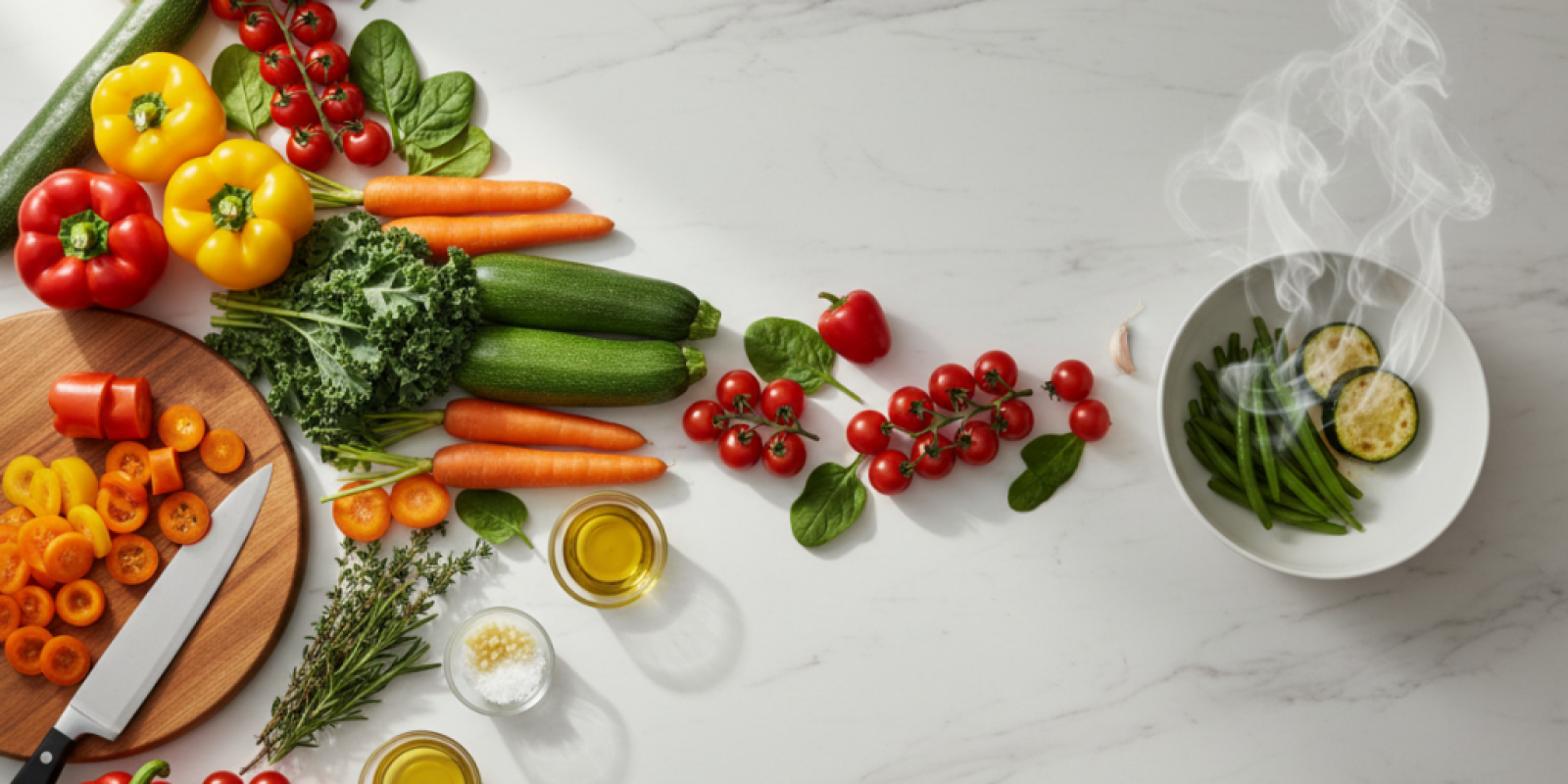
Quick Vegetarian Recipes Using Seasonal Vegetables: Fresh, Fast, and Flavorful Meals Year-Round
Table of Contents
1. Introduction: Embracing Seasonal Cooking
2. Why Choose Seasonal Vegetables for Quick Meals
3. Spring Vegetarian Recipes: Fresh Beginnings
4. Summer Quick Vegetarian Dishes: Peak Season Flavors
5. Fall Comfort Foods: Hearty Seasonal Vegetables
6. Winter Warming Recipes: Root Vegetables and More
7. Essential Tips for Quick Seasonal Cooking
8. Meal Prep Strategies for Busy Weeknights
9. Conclusion: Making Seasonal Eating Simple
10. Frequently Asked Questions
Introduction: Embracing Seasonal Cooking
There’s something magical about walking through a farmer’s market and seeing the vibrant colors of seasonal produce. As someone who’s spent years perfecting quick vegetarian meals, I’ve discovered that the secret to delicious, fast cooking lies in working with nature’s calendar. When you cook with seasonal vegetables, you’re not just getting the best flavors and nutrition – you’re also setting yourself up for incredibly quick meal preparation.
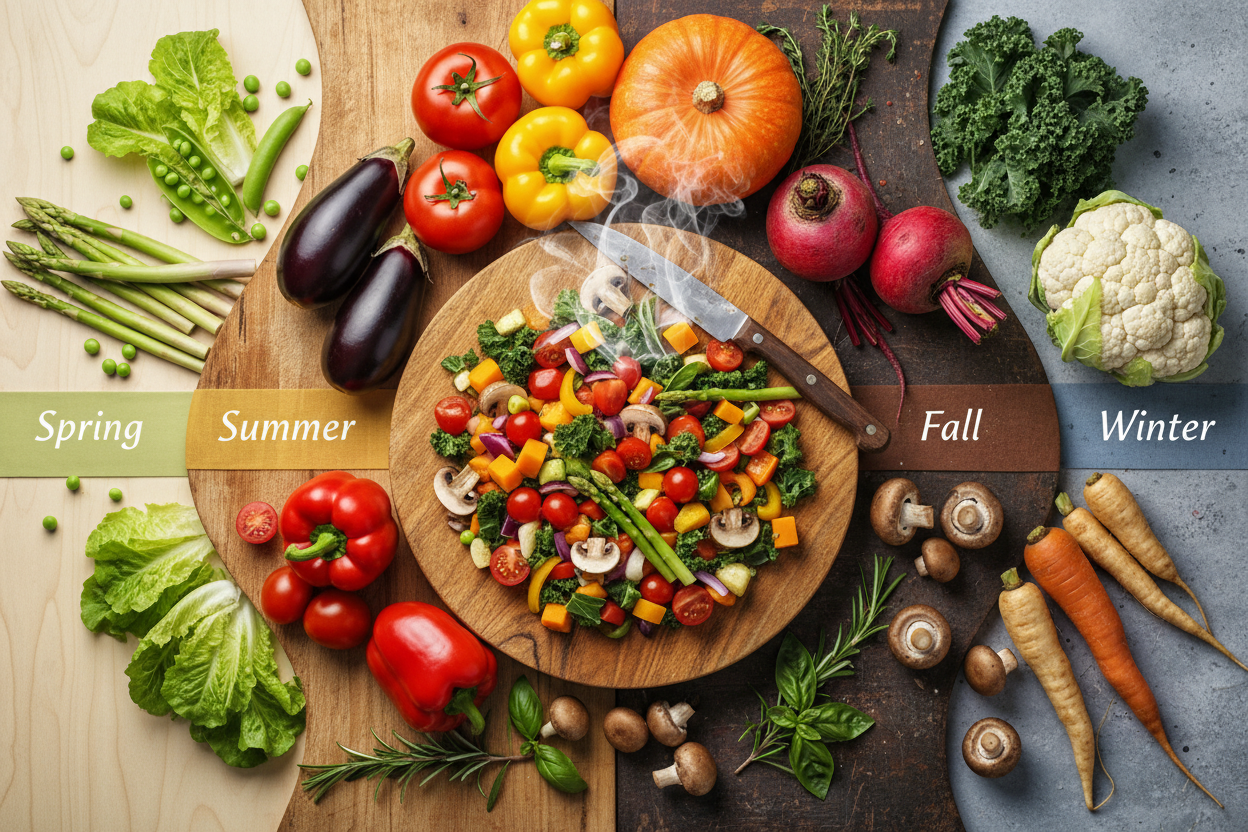
Seasonal vegetables are at their peak ripeness, which means they require minimal preparation to taste amazing. A perfectly ripe summer tomato needs little more than a sprinkle of salt, while tender spring asparagus can be transformed into a gourmet meal in just minutes. This approach to cooking has revolutionized my kitchen routine, turning weeknight meal prep from a chore into a creative adventure.
Why Choose Seasonal Vegetables for Quick Meals
Cooking with seasonal vegetables isn’t just a trendy concept – it’s a practical approach that makes your life easier while delivering superior results. When vegetables are in season, they’re naturally more tender, flavorful, and require less cooking time. This means you can create satisfying vegetarian meals in 15-30 minutes without sacrificing taste or nutrition.
Seasonal produce also tends to be more affordable since there’s an abundant supply. You’ll often find yourself with beautiful vegetables that practically cook themselves. Summer zucchini becomes creamy in minutes, fall butternut squash roasts to perfection quickly when cut properly, and spring peas need barely any heat to become sweet and tender.
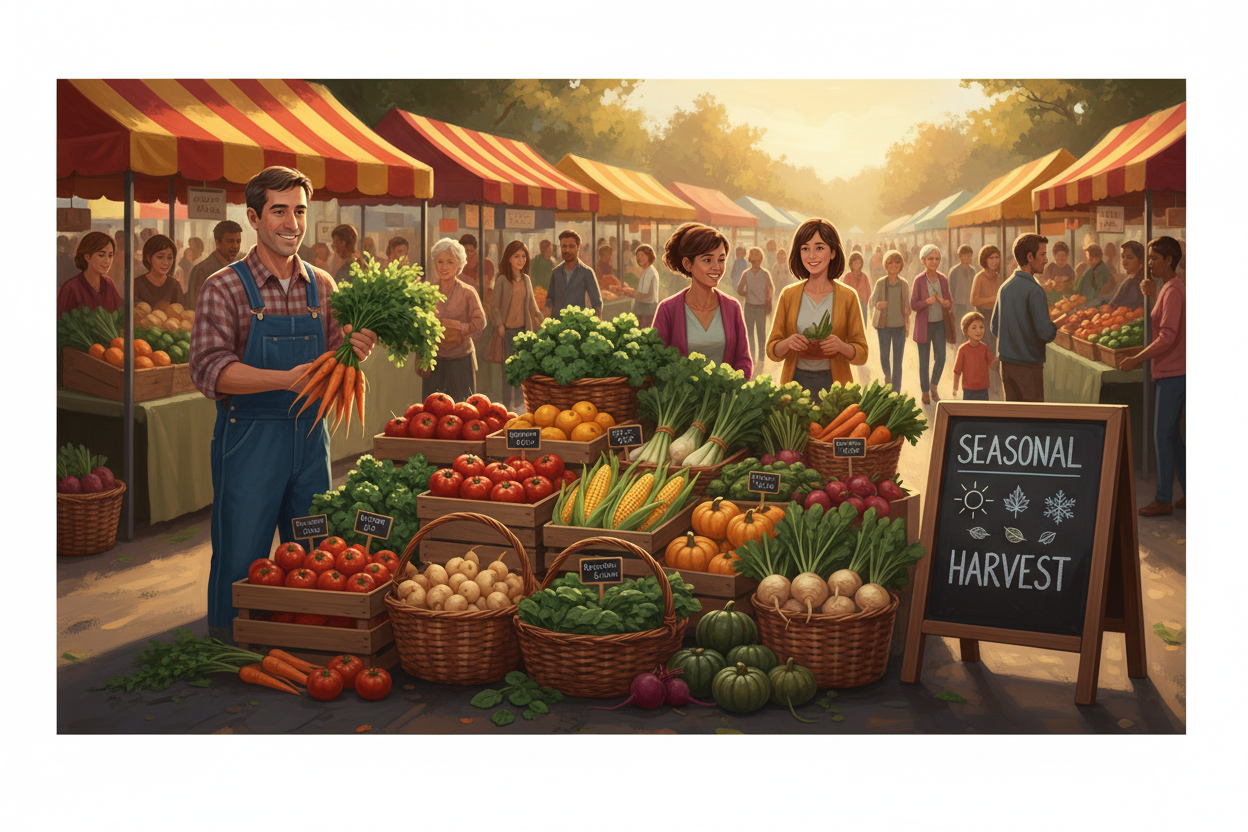
From a nutritional standpoint, seasonal vegetables provide exactly what our bodies need during different times of the year. Spring greens help detoxify after winter, summer vegetables provide cooling hydration, fall produce offers immune-boosting nutrients, and winter roots give us warming, grounding energy.
Spring Vegetarian Recipes: Fresh Beginnings
Spring brings us some of the most delicate and quick-cooking vegetables. After months of hearty winter fare, these light, fresh ingredients are exactly what our bodies crave.
One of my go-to spring recipes is a 15-minute asparagus and pea pasta. Simply sauté trimmed asparagus spears in olive oil for three minutes, add frozen peas for the last minute, then toss with cooked pasta, lemon zest, and fresh herbs. The vegetables maintain their bright color and crisp texture, creating a meal that feels like spring on a plate.
Spring onions and radishes make an incredibly quick stir-fry when paired with whatever greens you have on hand. The key is high heat and minimal cooking time – just enough to soften the onions while keeping the radishes slightly crunchy. Serve over rice or quinoa for a complete meal that takes less than 20 minutes from start to finish.
For busy mornings, spring vegetables shine in quick frittatas. Whisk eggs with chopped spring herbs like chives, parsley, and dill, then pour over sautéed spring vegetables in an oven-safe pan. A few minutes on the stovetop followed by a quick trip under the broiler gives you a protein-rich meal perfect for any time of day.
Summer Quick Vegetarian Dishes: Peak Season Flavors
Summer vegetables are a quick cook’s dream. With their high water content and tender flesh, they practically cook themselves, making it possible to create incredible meals with minimal effort.
Zucchini noodles have become my summer staple – not because they’re trendy, but because they’re genuinely quick and satisfying. Using a spiralizer or vegetable peeler, you can create “noodles” in minutes. A quick sauté with garlic and cherry tomatoes, finished with fresh basil and a drizzle of good olive oil, creates a meal that’s both light and filling.
Gazpacho represents the ultimate in quick summer cooking – no cooking required at all. Blend ripe tomatoes, cucumber, bell pepper, and onion with good olive oil and vinegar. The result is a refreshing meal that actually improves in flavor as it sits, making it perfect for meal prep.
Summer squash and corn make an unbeatable combination in a quick succotash. Dice yellow squash and zucchini, sauté briefly with fresh corn kernels, and finish with herbs and a splash of cream or vegetable broth. This side dish is substantial enough to serve as a main course over grains or with crusty bread.
Fall Comfort Foods: Hearty Seasonal Vegetables
Fall vegetables might seem like they require long cooking times, but with the right techniques, you can have comforting, warming meals ready quickly.
The secret to quick butternut squash cooking is cutting it properly. Peel and dice the squash into small, uniform pieces, and it will roast in just 20 minutes at high heat. Toss the roasted squash with cooked pasta, sage, and toasted nuts for a meal that captures all the cozy feelings of fall without the long wait.
Brussels sprouts get a bad reputation, but when shredded thin and quickly sautéed, they become sweet and tender in just minutes. I like to shred them in a food processor, then sauté with garlic and finish with dried cranberries and toasted pine nuts. This preparation works as both a side dish and a main course when served over quinoa or farro.
Sweet potatoes can be “quick-baked” in the microwave, then finished in a hot oven for crispy skin. While they’re cooking, prepare a quick black bean and corn salsa to stuff inside. This combination provides complete protein and can be ready in under 30 minutes.
Winter Warming Recipes: Root Vegetables and More
Winter vegetables excel in quick braises and roasts that fill your kitchen with warming aromas while cooking faster than you might expect.
Root vegetable hash is my winter morning favorite. Dice potatoes, carrots, and parsnips small, then cook them in a large skillet with plenty of oil over medium-high heat. The key is not stirring too frequently – let them develop crispy edges before flipping. Top with fried eggs for a complete meal that’s ready in 25 minutes.
Cabbage becomes incredibly sweet and tender when quickly braised. Slice it thin, sauté with onions until just wilted, then add a splash of broth or wine and cover for just a few minutes. This technique works beautifully with red or green cabbage and pairs perfectly with hearty grains.
Winter greens like kale and collards cook quickly when massaged first. Remove the tough stems, chop the leaves, then massage with a bit of salt and olive oil until they soften. They can then be quickly sautéed with garlic and finished with lemon juice for a nutritious side that’s ready in minutes.
Essential Tips for Quick Seasonal Cooking
Success with quick seasonal cooking comes down to a few key principles that I’ve learned through years of weeknight meal preparation.
First, prep your vegetables properly. This often means cutting them smaller than you think necessary. Uniform, small pieces cook faster and more evenly. I spend a few extra minutes on knife work to save time during the actual cooking process.
High heat is your friend when cooking vegetables quickly. Most seasonal vegetables benefit from quick cooking at higher temperatures, which preserves their texture and concentrates their flavors. Don’t be afraid to use medium-high or high heat settings.
Season as you go rather than waiting until the end. Salt draws out moisture and helps vegetables cook more quickly while building layers of flavor throughout the cooking process.
Keep your pantry stocked with quick-cooking grains and legumes. Quinoa, couscous, and canned beans can turn any seasonal vegetable preparation into a complete meal without adding significant cooking time.
Meal Prep Strategies for Busy Weeknights
Even with quick-cooking seasonal vegetables, a little preparation can make weeknight cooking even more efficient.
I like to wash and chop hardy vegetables like carrots, celery, and onions at the beginning of the week. These keep well in the refrigerator and form the base for many quick meals. More delicate vegetables like herbs and leafy greens are better prepped closer to when you’ll use them.
Batch-cooking grains on the weekend provides a foundation for quick seasonal meals throughout the week. Cooked quinoa, rice, or farro can be quickly reheated and paired with whatever seasonal vegetables you have on hand.
Consider par-cooking vegetables that take longer to prepare. Partially roasted root vegetables can be finished quickly during the week, and blanched vegetables can be rapidly sautéed for weeknight meals.
Conclusion: Making Seasonal Eating Simple
Cooking with seasonal vegetables doesn’t have to be complicated or time-consuming. In fact, it’s quite the opposite – when you work with nature’s timing, you’ll find that vegetables practically cook themselves, requiring minimal intervention to taste their absolute best.
The key is shifting your mindset from fighting against the seasons to embracing them. Instead of trying to make summer recipes work with winter vegetables, let each season guide your cooking. This approach not only saves time in the kitchen but also connects you more deeply with the natural rhythm of the year.
Start small by incorporating one or two seasonal vegetables into your weekly routine. Notice how much more flavorful and satisfying your meals become when you’re working with peak-season produce. Before long, you’ll find yourself naturally gravitating toward seasonal ingredients, and your quick vegetarian cooking will reach new levels of both efficiency and deliciousness.
Remember, the best quick vegetarian recipes are often the simplest ones. Good seasonal vegetables need little more than proper cooking technique and thoughtful seasoning to shine. Trust the ingredients, master a few basic techniques, and you’ll always have the foundation for quick, satisfying vegetarian meals no matter what season you’re in.
Frequently Asked Questions
How do I know which vegetables are in season in my area?
The best way to determine seasonal vegetables in your area is to visit local farmer’s markets, join a CSA (Community Supported Agriculture) program, or check with local farms. Many regions also have seasonal produce guides available online through agricultural extension offices. Generally, if a vegetable is abundant and inexpensive at the grocery store, it’s likely in season.
Can I substitute out-of-season vegetables in these recipes?
While you can substitute vegetables, the cooking times may vary significantly. Out-of-season vegetables often require longer cooking times and may not develop the same flavors. If you must substitute, choose vegetables with similar textures and cooking requirements, and be prepared to adjust cooking times accordingly.
What’s the fastest way to prep vegetables for quick cooking?
Invest in a good, sharp knife and learn proper knife skills – this is the biggest time-saver in vegetable preparation. Cut vegetables into uniform, smaller pieces for faster cooking. A food processor can also speed up prep for vegetables that need to be shredded or finely chopped.
How can I add more protein to these seasonal vegetable dishes?
Quick protein additions include canned beans, lentils, eggs, nuts, seeds, and cheese. Quinoa and other whole grains also provide protein. Many of these can be added during the last few minutes of cooking or served alongside your seasonal vegetable dishes.
What kitchen tools make seasonal cooking faster?
Essential tools include a sharp chef’s knife, a large skillet or wok for quick sautéing, a sheet pan for roasting, and a steamer basket. A food processor can speed up prep work, and a rice cooker or Instant Pot can handle grains while you focus on vegetables.