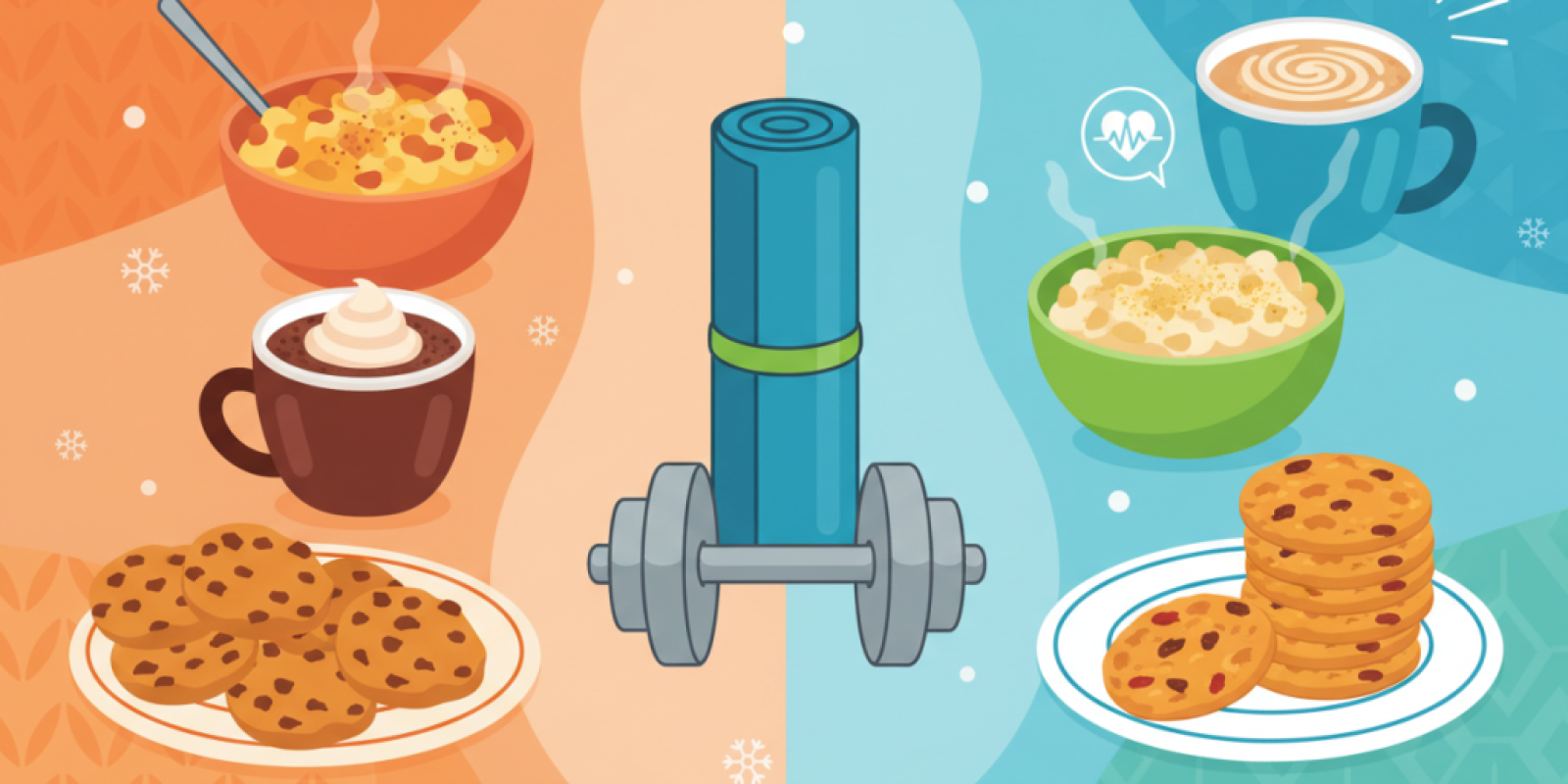
Winter Fitness Motivation Through Comfort Food Makeovers: Transform Your Cravings Into Healthy Fuel
Table of Contents
1. Introduction: Breaking the Winter Weight Gain Cycle
2. Why Winter Comfort Foods Sabotage Our Fitness Goals
3. The Psychology Behind Winter Cravings
4. Essential Ingredients for Healthy Comfort Food Makeovers
5. Game-Changing Comfort Food Swaps for Winter Fitness
6. Meal Prep Strategies for Healthy Winter Comfort Foods
7. Building Long-Term Healthy Habits During Cold Months
8. Conclusion: Your Winter Fitness Success Story Starts Now
9. Frequently Asked Questions
Introduction: Breaking the Winter Weight Gain Cycle
When the temperature drops and daylight hours shrink, something primal happens to our bodies and minds. We instinctively reach for warm, hearty foods that promise comfort during the cold, dark months. Unfortunately, this natural response often derails our fitness goals faster than you can say “hot chocolate with extra marshmallows.”
But what if I told you that you don’t have to choose between staying warm and cozy or maintaining your fitness momentum? The secret lies in transforming your favorite winter comfort foods into nutritious powerhouses that actually support your health and fitness goals.
This comprehensive guide will show you how to revolutionize your winter eating habits through strategic comfort food makeovers. You’ll discover how to satisfy those deep-seated cravings while keeping your metabolism humming and your energy levels stable throughout the coldest months of the year.
Why Winter Comfort Foods Sabotage Our Fitness Goals
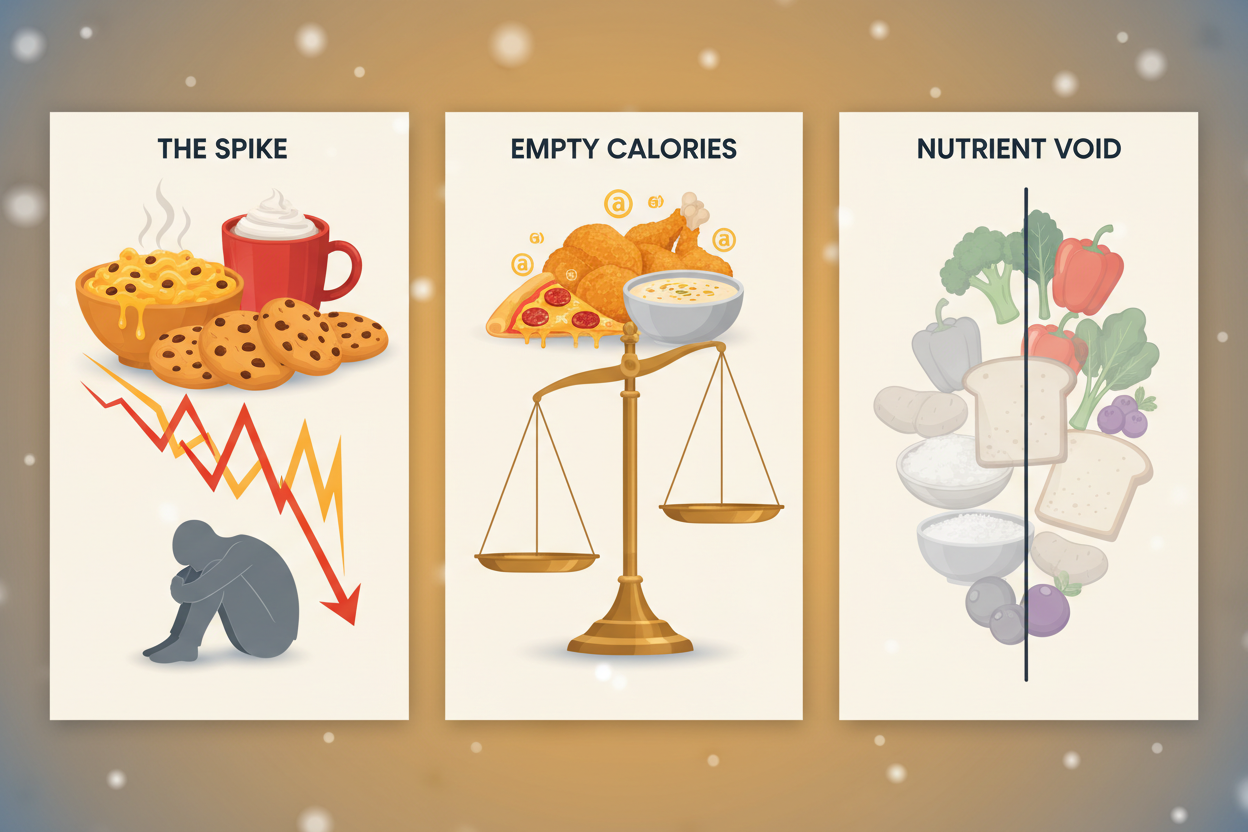
Traditional winter comfort foods pack a triple threat against our fitness aspirations. First, they’re typically loaded with refined carbohydrates that spike blood sugar levels, leading to energy crashes and increased cravings. Second, many contain excessive amounts of saturated fats and empty calories that contribute to weight gain. Third, they often lack the essential nutrients our bodies need to maintain optimal function during the challenging winter months.
The average person gains between 1-3 pounds during winter months, and research shows that much of this weight gain occurs specifically between Thanksgiving and New Year’s. However, the problem extends beyond holiday indulgences. Our bodies naturally crave more calories during winter as an evolutionary response to cold weather and reduced daylight exposure.
The good news is that understanding these patterns gives us the power to work with our biology rather than against it. By creating healthier versions of our favorite comfort foods, we can satisfy our psychological and physiological needs while supporting our fitness goals.
The Psychology Behind Winter Cravings
Winter cravings aren’t just about hunger – they’re deeply rooted in our psychology and biology. Seasonal Affective Disorder affects millions of people, causing decreased serotonin levels that trigger cravings for carbohydrate-rich foods. These foods temporarily boost serotonin, creating a cycle of dependency on comfort eating.
Additionally, cold weather increases our body’s energy expenditure as we work to maintain core temperature. This biological reality means we genuinely need more calories during winter, but the key is choosing the right types of calories that provide sustained energy and essential nutrients.
Comfort foods also serve an emotional function, connecting us to positive memories and providing a sense of security during challenging times. Rather than fighting these natural tendencies, successful winter fitness strategies embrace them while redirecting our choices toward healthier alternatives.
Essential Ingredients for Healthy Comfort Food Makeovers
Creating successful comfort food makeovers requires a well-stocked pantry of nutritious ingredients that can replicate the textures, flavors, and satisfaction of traditional comfort foods. Start with these foundational ingredients that will transform your winter cooking.
Whole grain alternatives like quinoa, brown rice, and steel-cut oats provide the hearty, filling qualities of refined grains while delivering fiber, protein, and essential minerals. These complex carbohydrates provide sustained energy without the blood sugar spikes associated with processed foods.
Protein-rich ingredients such as Greek yogurt, lean ground turkey, lentils, and beans add substance and satiety to comfort food makeovers. Protein helps maintain muscle mass during less active winter months and keeps you feeling full longer, reducing the likelihood of overeating.
Healthy fats from sources like avocados, nuts, seeds, and olive oil provide richness and flavor while supporting hormone production and nutrient absorption. These fats are essential for maintaining energy levels and supporting immune function during cold months.
Vegetables and fruits might seem like unlikely comfort food ingredients, but they’re crucial for adding volume, nutrients, and natural sweetness to your makeovers. Roasted vegetables develop deep, satisfying flavors that enhance any comfort dish.
Game-Changing Comfort Food Swaps for Winter Fitness
Let’s dive into specific makeover strategies that will transform your favorite winter comfort foods into fitness-supporting meals. These swaps maintain the emotional satisfaction of comfort eating while dramatically improving nutritional value.
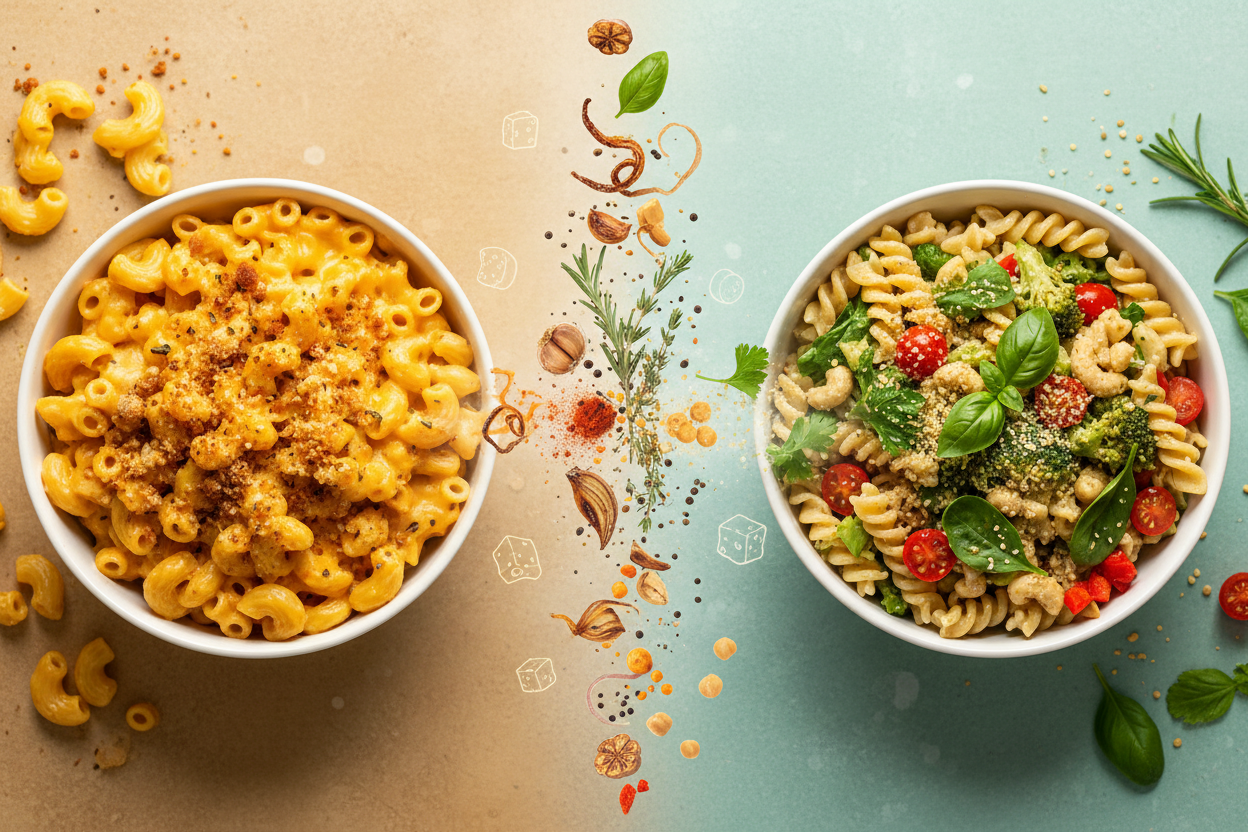
Transform traditional mac and cheese by using whole grain pasta or spiralized vegetables as the base, creating a cheese sauce with Greek yogurt and nutritional yeast, and adding pureed butternut squash for creaminess and nutrients. This version provides protein, fiber, and vitamins while satisfying that creamy, cheesy craving.
Revamp hearty soups and stews by incorporating lean proteins, increasing vegetable content, and using herbs and spices for flavor instead of relying on excessive salt or fat. Add lentils or beans for extra protein and fiber, and use Greek yogurt instead of heavy cream for richness.
Reimagine baked goods by substituting refined flour with almond flour or oat flour, using natural sweeteners like dates or maple syrup, and incorporating protein powder or Greek yogurt for added nutrition. These modifications create treats that satisfy sweet cravings while supporting your fitness goals.
Create warming beverages that nourish rather than derail your progress. Replace sugary hot chocolate with a blend of unsweetened cocoa powder, almond milk, and a touch of natural sweetener. Add protein powder for an extra nutritional boost that will keep you satisfied longer.
Meal Prep Strategies for Healthy Winter Comfort Foods
Successful winter fitness nutrition requires strategic meal preparation that ensures healthy comfort foods are always within reach. When cold weather strikes and motivation wanes, having pre-prepared nutritious options prevents impulsive food choices that derail progress.
Dedicate time each week to batch-cooking comfort food makeovers that can be easily reheated throughout the week. Prepare large portions of healthy soups, stews, and casseroles that improve in flavor over time and provide multiple meals with minimal daily effort.
Create grab-and-go snack options that satisfy comfort food cravings without compromising nutrition. Prepare energy balls made with dates, nuts, and cocoa powder, or bake a batch of protein-rich muffins using whole grain flours and natural sweeteners.
Organize your freezer with pre-portioned comfort food makeovers that can be quickly thawed and heated when cravings strike. Having healthy versions of your favorite comfort foods readily available removes the temptation to order takeout or reach for processed convenience foods.
Building Long-Term Healthy Habits During Cold Months
Sustainable winter fitness success extends beyond individual food swaps to encompass broader lifestyle strategies that support long-term health and motivation. Creating an environment that encourages healthy choices while acknowledging the unique challenges of winter months is essential for lasting success.
Establish consistent meal timing that works with your winter schedule and energy patterns. Many people find that eating larger, more satisfying meals earlier in the day helps prevent evening comfort food binges when willpower is typically lowest.
Incorporate regular physical activity that complements your comfort food makeover strategy. Indoor workouts, winter sports, or even vigorous household activities can help maintain metabolism and mood during months when outdoor exercise becomes challenging.
Focus on adequate sleep and stress management, as both significantly impact food choices and cravings. Poor sleep and high stress levels increase cortisol production, which promotes cravings for high-calorie comfort foods and makes it harder to maintain healthy eating patterns.
Build a support system that understands and encourages your winter fitness goals. Share your comfort food makeover recipes with family and friends, creating a community that supports healthy choices rather than sabotaging them with traditional comfort food offerings.
Conclusion: Your Winter Fitness Success Story Starts Now
Winter doesn’t have to be the season where fitness goals go to hibernate. By embracing comfort food makeovers, you can satisfy your natural cravings while supporting your health and fitness objectives. The strategies outlined in this guide provide a roadmap for transforming traditional comfort foods into nutritious, satisfying meals that fuel your body and warm your soul.
Remember that sustainable change happens gradually. Start by implementing one or two comfort food swaps and gradually expand your repertoire as these new habits become second nature. The key is consistency, not perfection, and every healthy choice you make builds momentum toward your long-term success.
This winter, instead of fighting your natural tendencies, work with them. Create a kitchen environment stocked with wholesome ingredients, prepare nourishing comfort food alternatives, and approach the season with confidence knowing that you can stay healthy and satisfied throughout the coldest months of the year.
Frequently Asked Questions
Q: How can I make comfort food makeovers taste as satisfying as the originals?
A: Focus on maintaining the key flavors and textures that make comfort foods appealing. Use herbs, spices, and natural flavor enhancers like roasted garlic or caramelized onions. The key is gradual substitution – start by replacing just one or two ingredients and adjust your palate over time.
Q: Will eating more calories in winter really help with weight management?
A: Your body does require slightly more calories in winter to maintain body temperature, but the key is choosing nutrient-dense calories that provide sustained energy. Focus on increasing protein and healthy fats rather than empty carbohydrates.
Q: How do I handle social situations where traditional comfort foods are served?
A: Plan ahead by eating a small, protein-rich snack before social events. Offer to bring a dish so you know there’s at least one healthy option available. Focus on portion control and savor small amounts of traditional foods while filling up on healthier options.
Q: What’s the best way to curb late-night winter comfort food cravings?
A: Ensure you’re eating adequate protein and fiber throughout the day to maintain stable blood sugar. Keep healthy comfort food alternatives readily available, and address the root cause – often boredom, stress, or inadequate daytime nutrition.
Q: How long does it take to adjust to healthier comfort food versions?
A: Most people begin to prefer healthier versions within 2-3 weeks of consistent consumption. Your taste buds adapt to appreciate natural flavors and you’ll likely find that traditional versions taste overly sweet, salty, or heavy once you’ve made the transition.