
The Connection Between Seasonal Fruits and Women’s Energy Levels: A Natural Approach to Vitality
Table of Contents
1. Introduction: Nature’s Energy Blueprint
2. Understanding Women’s Unique Energy Needs
3. Spring Fruits: Awakening Your Natural Vitality
4. Summer Fruits: Sustaining Peak Energy
5. Fall Fruits: Preparing for Seasonal Transitions
6. Winter Fruits: Maintaining Energy During Darker Months
7. The Science Behind Seasonal Eating and Hormonal Balance
8. Practical Tips for Incorporating Seasonal Fruits
9. Common Mistakes to Avoid
10. Conclusion: Embracing Nature’s Rhythm
11. Frequently Asked Questions
Introduction: Nature’s Energy Blueprint
Have you ever noticed how your energy levels seem to fluctuate with the changing seasons? You’re not imagining things. There’s a profound connection between the fruits nature provides throughout the year and women’s energy needs. As someone who’s spent years studying nutritional wellness, I’ve discovered that aligning our diet with seasonal produce isn’t just about eating fresh food – it’s about tapping into nature’s sophisticated system for supporting our bodies’ changing requirements.
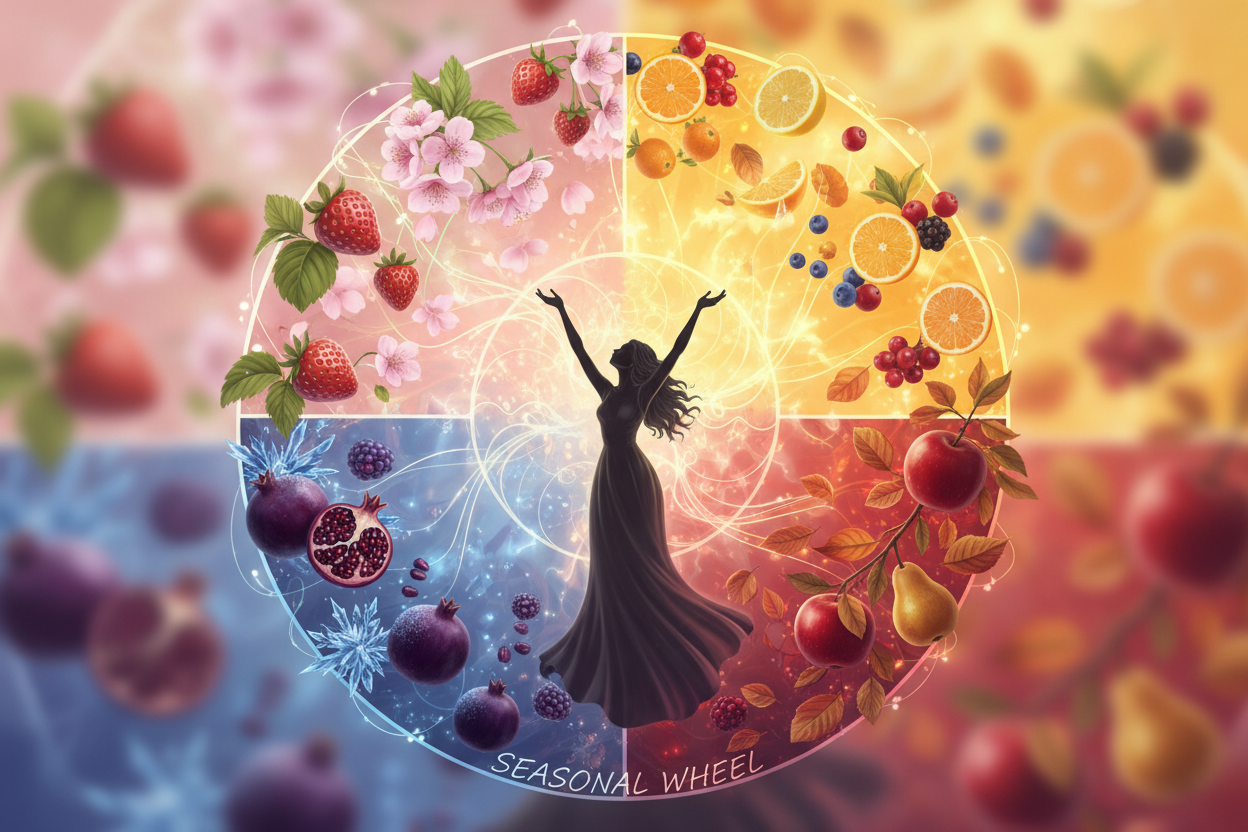
Women’s bodies are incredibly complex, with energy demands that shift based on hormonal cycles, life stages, and seasonal changes. The good news? Nature has provided us with a rotating selection of fruits that perfectly complement these fluctuations. When we eat seasonally, we’re not just nourishing our bodies; we’re working with our natural rhythms rather than against them.
This approach to nutrition recognizes that our ancestors didn’t have access to every fruit year-round, and their bodies adapted to thrive on what was naturally available. Today, while we can buy strawberries in December, there’s compelling evidence that choosing seasonal fruits can significantly impact our energy levels, mood, and overall well-being.
Understanding Women’s Unique Energy Needs
Women’s energy requirements are far more complex than simple calorie counting might suggest. Our bodies navigate monthly hormonal fluctuations, potential pregnancy and breastfeeding phases, and eventually menopause – each bringing distinct nutritional needs. During the luteal phase of our menstrual cycle, for instance, our bodies require more magnesium and B vitamins to maintain stable energy levels.
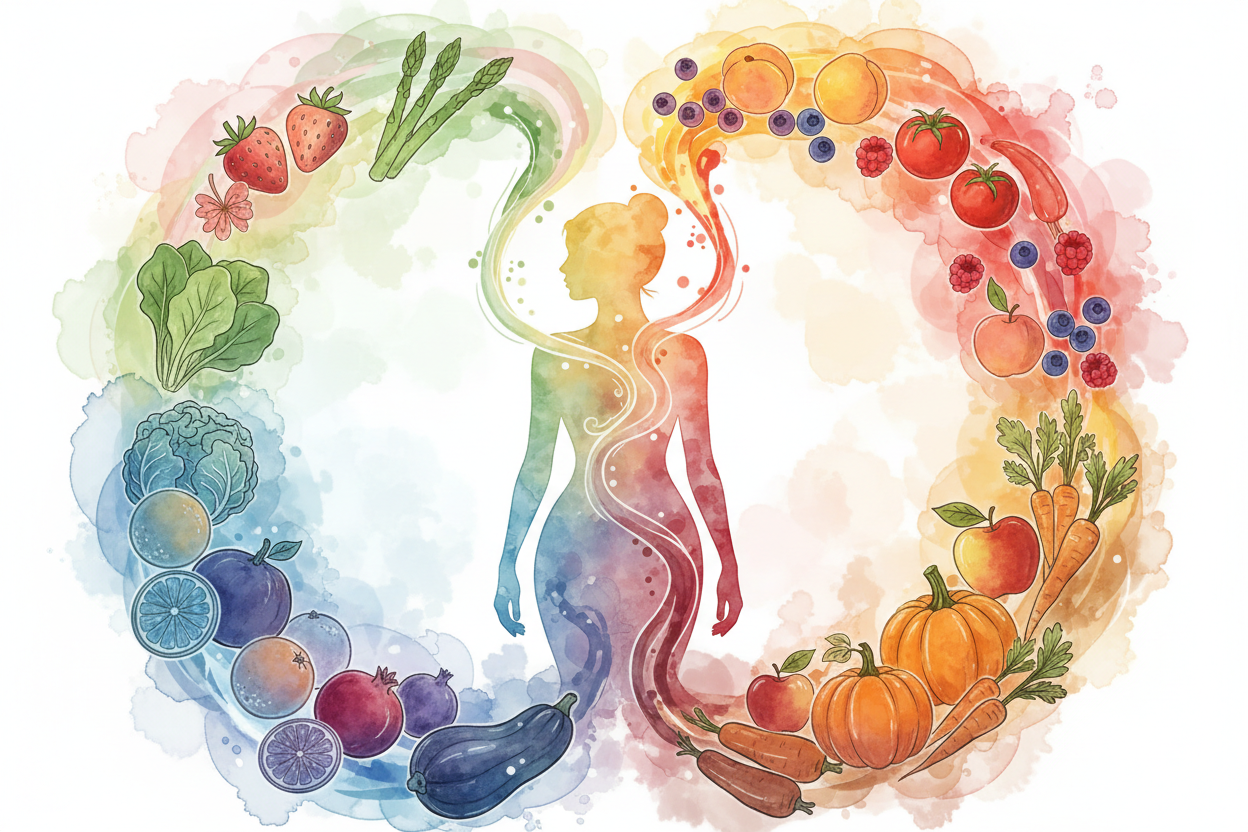
Seasonal changes add another layer of complexity. During winter months, reduced sunlight exposure can lead to lower vitamin D levels and seasonal affective patterns that impact energy. Summer’s heat and longer days create different metabolic demands. Our bodies are constantly adapting, and the fruits available during each season contain precisely the nutrients needed to support these adaptations.
Research shows that women are more sensitive to seasonal light changes than men, making the connection between seasonal eating and energy levels particularly relevant. The antioxidants, vitamins, and minerals found in seasonal fruits work synergistically to support our bodies’ natural rhythms and energy production at the cellular level.
Spring Fruits: Awakening Your Natural Vitality
Spring represents renewal and awakening, and the fruits available during this season perfectly support our bodies’ emergence from winter’s slower pace. Strawberries, one of spring’s first offerings, are packed with vitamin C – essential for supporting adrenal function after winter’s potential stress on our systems. The natural sugars in strawberries provide quick energy while their fiber content ensures sustained blood sugar levels.
Apricots, another spring favorite, contain beta-carotene and iron, both crucial for combating the fatigue that often accompanies seasonal transitions. Many women experience iron deficiency, particularly those with heavy menstrual cycles, making apricots an excellent natural source of this energy-supporting mineral.
Spring’s citrus fruits, including early oranges and grapefruits, provide not just vitamin C but also folate and potassium. These nutrients support cellular energy production and help regulate the nervous system, which can be particularly beneficial as we adjust to longer daylight hours and increased activity levels.
The beauty of spring fruits lies in their gentle energy boost. Unlike processed foods that create energy spikes and crashes, these natural options provide steady, sustainable energy that aligns with our bodies’ gradual awakening from winter dormancy.
Summer Fruits: Sustaining Peak Energy
Summer brings an abundance of high-energy fruits perfectly designed to fuel our most active season. Berries – blueberries, blackberries, and raspberries – are nutritional powerhouses containing anthocyanins, compounds that support cognitive function and sustained energy. I always recommend women increase their berry intake during summer months, not just for the energy boost but for the mental clarity these fruits provide.
Peaches and nectarines offer natural sugars alongside potassium and magnesium, minerals that become especially important during hot weather when we lose electrolytes through increased perspiration. These fruits help maintain the delicate mineral balance necessary for optimal muscle and nerve function.
Watermelon and cantaloupe provide hydration alongside energy, addressing summer’s dual challenge of staying energized while managing heat stress. The natural sugars in melons are easily absorbed, providing quick energy, while their high water content supports the increased hydration needs of warmer months.
Summer’s stone fruits also contain compounds that support serotonin production, helping maintain the positive mood and energy levels that naturally peak during this season of maximum sunlight exposure.
Fall Fruits: Preparing for Seasonal Transitions
As daylight hours decrease and temperatures drop, our bodies begin preparing for winter’s challenges. Fall fruits provide the perfect nutritional support for this transition. Apples, perhaps the most iconic fall fruit, contain quercetin, a flavonoid that supports immune function while providing steady energy through their balanced sugar and fiber content.
Pears offer similar benefits with the added advantage of containing pectin, a soluble fiber that helps stabilize blood sugar levels. This becomes particularly important as our bodies adjust to reduced daylight exposure, which can impact insulin sensitivity and energy regulation.
Cranberries, tart and vibrant, provide concentrated antioxidants that support cellular energy production while helping the body manage the oxidative stress that can accompany seasonal transitions. Their natural tartness also stimulates digestion, important as our metabolism begins to slow for winter.
Pomegranates, available in late fall, are rich in polyphenols that support mitochondrial function – the cellular powerhouses responsible for energy production. As we head into months of potentially reduced activity, supporting cellular energy becomes crucial for maintaining vitality.
Winter Fruits: Maintaining Energy During Darker Months
Winter presents unique challenges for maintaining energy levels, particularly for women who may be more sensitive to seasonal light changes. Fortunately, winter fruits provide concentrated nutrition perfectly suited to these challenges. Citrus fruits reach peak ripeness during winter months, offering vitamin C when our immune systems need it most, along with folate that supports mood and energy regulation.
Persimmons, often overlooked, provide beta-carotene and manganese, nutrients that support thyroid function – particularly important during winter when metabolism naturally slows. The natural sugars in persimmons provide energy while their fiber content prevents the blood sugar fluctuations that can worsen seasonal mood changes.
Kiwi fruits, available through winter, pack an impressive nutritional punch with more vitamin C than oranges, plus potassium and folate. These nutrients work together to support adrenal function and energy production during the potentially stressful winter months.
Winter pears and stored apples provide sustained energy while their fiber content supports digestive health, which can suffer during months of reduced fresh produce variety and potentially less physical activity.
The Science Behind Seasonal Eating and Hormonal Balance
The connection between seasonal fruits and women’s energy levels goes beyond simple nutrition – it’s rooted in how our hormonal systems interact with seasonal changes. Research indicates that women’s cortisol patterns, essential for energy regulation, naturally fluctuate with seasonal light exposure. Seasonal fruits provide the specific nutrients needed to support healthy cortisol rhythms.
During spring and summer, when cortisol levels naturally run higher to support increased activity, fruits high in vitamin C and antioxidants help the adrenal glands function optimally. Fall and winter fruits, rich in magnesium and B vitamins, support the nervous system as cortisol levels naturally decrease.
The natural sugars in seasonal fruits also support serotonin production, which affects both mood and energy levels. This becomes particularly important for women, who are more likely to experience seasonal mood changes that impact energy and motivation.
Additionally, seasonal eating supports our circadian rhythms, the internal clocks that regulate everything from sleep to hormone production. When our diet aligns with natural seasonal patterns, it reinforces these rhythms, leading to better sleep quality and more stable energy levels throughout the day.
Practical Tips for Incorporating Seasonal Fruits
Making the transition to seasonal fruit consumption doesn’t require a complete dietary overhaul. Start by identifying what’s naturally in season in your area – farmers markets are excellent resources for this information. I recommend beginning with one seasonal fruit per week, gradually building a repertoire of seasonal favorites.
Timing matters when it comes to fruit consumption for optimal energy. Morning consumption provides natural sugars when cortisol levels are highest and your body is most capable of processing them efficiently. Mid-afternoon fruit can provide a natural energy boost without interfering with evening sleep patterns.
Preparation methods can enhance the energy-supporting benefits of seasonal fruits. Pairing fruits with small amounts of protein or healthy fats – like apple slices with almond butter – helps stabilize blood sugar and provides more sustained energy than fruit alone.
Consider preserving seasonal fruits through freezing or dehydrating to extend their availability. Frozen berries retain most of their nutritional value and can provide summer’s energy-boosting benefits during winter months when fresh options are limited.
Common Mistakes to Avoid
One of the biggest mistakes I see women make is consuming too much fruit at once, leading to blood sugar spikes that ultimately result in energy crashes. Even healthy, seasonal fruits should be consumed in moderate portions – typically one to two servings per meal or snack.
Another common error is ignoring individual tolerance levels. Some women are more sensitive to natural sugars, particularly during certain phases of their menstrual cycle. Pay attention to how different fruits affect your energy levels and adjust accordingly.
Don’t fall into the trap of thinking all fruits are created equal for energy support. While a banana might provide quick energy, it won’t offer the same sustained benefits as seasonal options that provide additional nutrients your body specifically needs during that time of year.
Avoid the temptation to rely solely on fruit for energy. While seasonal fruits provide excellent support, they work best as part of a balanced diet that includes adequate protein, healthy fats, and complex carbohydrates.
Conclusion: Embracing Nature’s Rhythm
The connection between seasonal fruits and women’s energy levels represents a return to nutritional wisdom that our bodies inherently understand. By aligning our fruit choices with natural seasonal availability, we’re not just eating fresh, flavorful produce – we’re supporting our bodies’ complex energy systems in the most natural way possible.
This approach recognizes that women’s energy needs are sophisticated and ever-changing, influenced by hormonal cycles, seasonal light exposure, and life stage transitions. Seasonal fruits provide targeted nutritional support that processed foods and out-of-season produce simply cannot match.
As you begin incorporating more seasonal fruits into your diet, remember that this is a journey, not a destination. Start small, pay attention to how your body responds, and gradually build a seasonal eating pattern that supports your unique energy needs. Your body has been designed to thrive on nature’s offerings – trust in that wisdom and let seasonal fruits guide you toward more sustainable, natural energy.
The path to optimal energy isn’t found in artificial stimulants or quick fixes, but in the patient cultivation of eating patterns that honor both our bodies’ needs and nature’s generous provision. Embrace the rhythm, trust the process, and discover the profound difference that seasonal eating can make in your daily energy and overall well-being.
Frequently Asked Questions
Q: How quickly will I notice changes in my energy levels after switching to seasonal fruits?
A: Most women report noticing subtle changes within 2-3 weeks of consistently choosing seasonal fruits. However, more significant improvements in energy stability and overall vitality typically become apparent after 6-8 weeks of seasonal eating patterns.
Q: Can I still eat non-seasonal fruits occasionally?
A: Absolutely! The goal isn’t perfection but rather making seasonal fruits your primary choice. Following an 80/20 approach – where 80% of your fruit intake comes from seasonal options – allows for flexibility while still providing the benefits of seasonal eating.
Q: Are frozen seasonal fruits as beneficial as fresh ones?
A: Frozen fruits retain most of their nutritional value, particularly when frozen at peak ripeness. They’re an excellent option for extending seasonal availability and can be especially useful for maintaining summer fruit benefits during winter months.
Q: How do I know what fruits are truly in season in my area?
A: Local farmers markets, community-supported agriculture (CSA) programs, and seasonal produce guides specific to your region are the best resources. Many agricultural extension offices also provide seasonal availability charts for local areas.
Q: Should I adjust my fruit intake based on my menstrual cycle?
A: Some women find that their fruit tolerance varies throughout their cycle. During the luteal phase, you might benefit from fruits higher in magnesium and B vitamins, such as bananas or figs, while the follicular phase might be better suited to lighter, more hydrating fruits like berries or melons.
Q: Can seasonal fruit consumption help with seasonal affective symptoms?
A: While seasonal fruits alone won’t cure seasonal affective disorder, the nutrients they provide – particularly vitamin C, folate, and antioxidants – can support overall mood and energy regulation. Winter citrus fruits, in particular, provide nutrients that support neurotransmitter production.