Lebanese Mezze: Quick, Healthy Small Plates for Active Women
Table of Contents
1. Introduction: Why Lebanese Mezze Is Perfect for Active Women
2. The Health Benefits of Lebanese Mezze for Active Lifestyles
3. Essential Lebanese Mezze Dishes Every Active Woman Should Know
4. Quick and Easy Mezze Recipes for Busy Schedules
5. Meal Prep Tips for Lebanese Small Plates
6. Nutritional Powerhouses in Lebanese Cuisine
7. Creating Balanced Mezze Combinations
8. Conclusion
9. Frequently Asked Questions
Introduction: Why Lebanese Mezze Is Perfect for Active Women
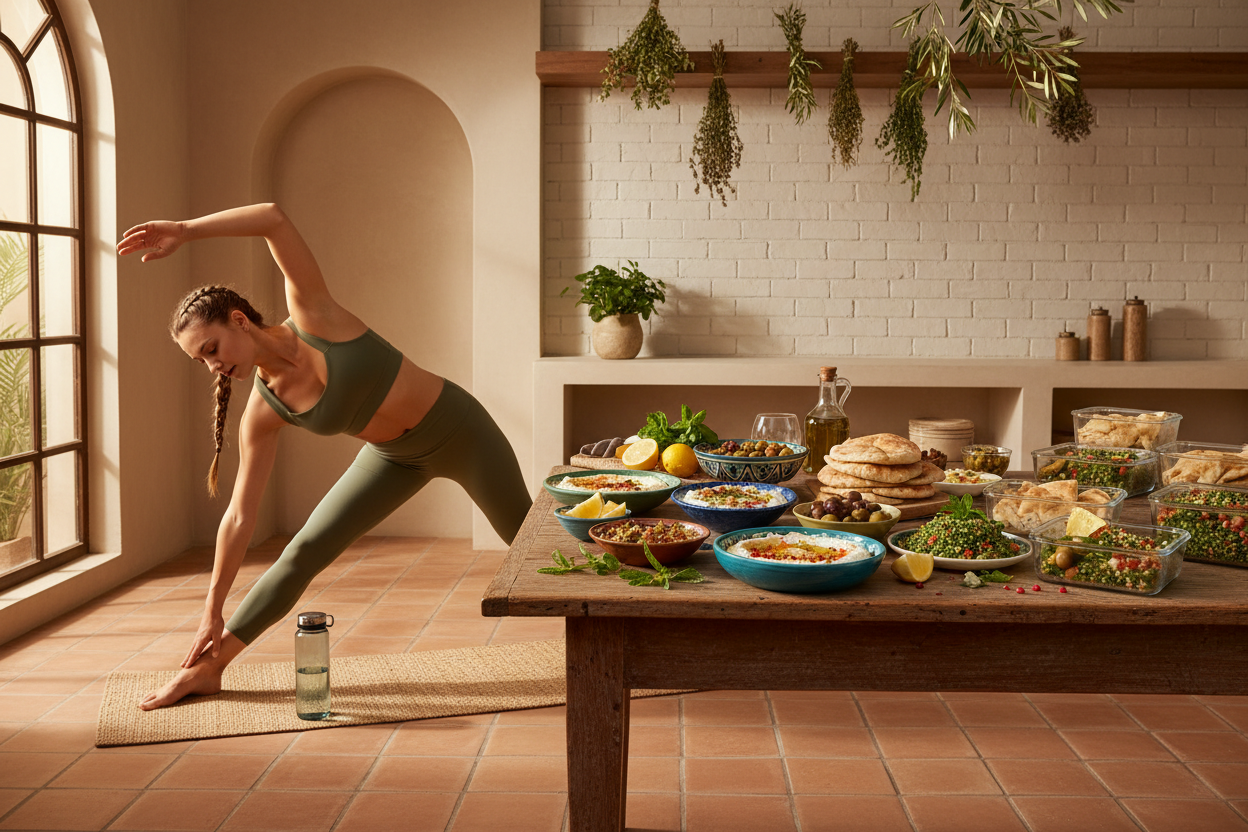
Picture this: you’ve just finished an intense workout session, and your body is craving something nutritious yet satisfying. Instead of reaching for processed snacks or spending hours in the kitchen, what if you could enjoy a colorful spread of small plates that fuel your active lifestyle while tantalizing your taste buds? Welcome to the world of Lebanese mezze – the Mediterranean answer to healthy, quick meals that actually taste incredible.
As an active woman juggling fitness routines, career demands, and personal commitments, you need food that works as hard as you do. Lebanese mezze isn’t just about eating; it’s about embracing a lifestyle that celebrates fresh ingredients, balanced nutrition, and the joy of sharing good food. These small plates pack a nutritional punch while requiring minimal prep time – exactly what your busy schedule demands.
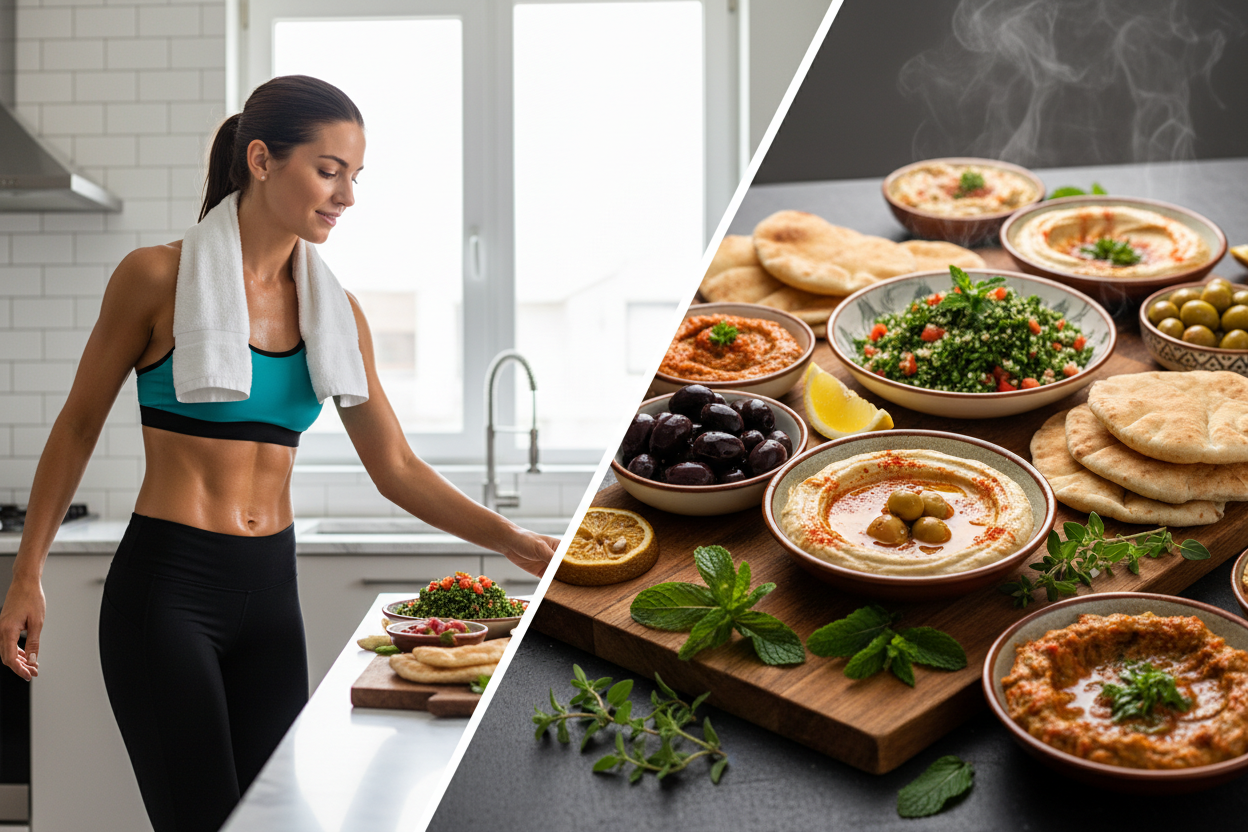
The beauty of mezze lies in its flexibility. Whether you’re meal prepping for the week, need a post-workout recovery meal, or want to impress friends at your next gathering, these Lebanese small plates adapt to your needs. They’re naturally portion-controlled, incredibly diverse, and loaded with the plant-based proteins, healthy fats, and complex carbohydrates that active women need to thrive.
The Health Benefits of Lebanese Mezze for Active Lifestyles
Lebanese cuisine has been nourishing active Mediterranean communities for centuries, and there’s solid science behind why these foods work so well for women leading dynamic lives. The traditional mezze spread emphasizes whole foods, lean proteins, and anti-inflammatory ingredients that support recovery and sustained energy.
The Mediterranean diet, which Lebanese cuisine exemplifies, has been extensively studied for its benefits to women’s health. Research shows it can help maintain healthy weight, support cardiovascular health, and provide sustained energy – all crucial for active women. The abundance of olive oil provides monounsaturated fats that support hormone production and reduce inflammation after intense workouts.
What sets Lebanese mezze apart is its emphasis on plant-based proteins like legumes and tahini, which offer complete amino acid profiles essential for muscle recovery. The high fiber content from vegetables, whole grains, and legumes helps maintain stable blood sugar levels, preventing the energy crashes that can derail your training schedule.
Additionally, the variety inherent in mezze eating ensures you’re getting a wide spectrum of vitamins and minerals. From the vitamin C in fresh parsley to the iron in chickpeas, each small plate contributes to your overall nutritional needs without requiring you to overthink your meal planning.
Essential Lebanese Mezze Dishes Every Active Woman Should Know
Let’s dive into the star players of Lebanese mezze that should be in every active woman’s repertoire. These dishes form the foundation of a healthy, satisfying meal that can be prepared quickly and enjoyed throughout the week.
Hummus deserves the crown as the queen of mezze. This protein-packed spread combines chickpeas with tahini, creating a complete protein that supports muscle recovery. A single serving provides about 8 grams of protein and is rich in folate, which is particularly important for women of childbearing age.
Tabbouleh is your green goddess of nutrition. This parsley-heavy salad provides incredible amounts of vitamin K, vitamin C, and antioxidants. The bulgur wheat adds complex carbohydrates for sustained energy, while the lemon juice enhances iron absorption from the greens.
Baba Ganoush brings smoky flavors and impressive nutrition to your plate. Eggplant is loaded with fiber and antioxidants, while tahini provides healthy fats and protein. This combination supports heart health and provides the sustained energy active women need.
Fattoush transforms simple vegetables into a satisfying meal. The mixed greens provide folate and fiber, while the crispy pita adds satisfying crunch and carbohydrates. The sumac adds a tangy flavor plus antioxidants that support recovery.
Muhammara might be less familiar, but this red pepper and walnut spread is a nutritional powerhouse. Walnuts provide omega-3 fatty acids crucial for reducing inflammation, while red peppers offer vitamin C and beta-carotene.
Quick and Easy Mezze Recipes for Busy Schedules
The magic of Lebanese mezze lies in its simplicity. Most dishes require minimal cooking and can be prepared in batches, making them perfect for women with packed schedules. Here are some time-saving approaches to creating authentic mezze at home.
For 15-Minute Hummus, use canned chickpeas (rinse them well), tahini, lemon juice, garlic, and olive oil. A food processor makes this effortless, but even a good blender works. The secret to ultra-smooth hummus? Add the liquid ingredients gradually and process for a full 3-4 minutes.
Quick Tabbouleh can be made by soaking fine bulgur in hot water for 10 minutes while you chop your herbs. The key is using significantly more parsley than bulgur – this isn’t a grain salad with herbs, but an herb salad with grains. Mix with diced tomatoes, cucumber, lemon juice, and olive oil.
Instant Baba Ganoush becomes possible when you char eggplant directly over a gas flame or under the broiler. Once the skin is blackened and the flesh is soft (about 15 minutes), the rest comes together in minutes. Scoop out the flesh, mix with tahini, lemon, and garlic, and you’re done.
The beauty of these recipes is their flexibility. Running low on time? Buy high-quality store-bought hummus and doctor it up with extra olive oil, paprika, and fresh herbs. Need more protein? Add grilled chicken or hard-boiled eggs to your tabbouleh.
Meal Prep Tips for Lebanese Small Plates
Successful mezze meal prep is all about understanding which components store well and how to keep everything fresh and flavorful throughout the week. Smart preparation can give you restaurant-quality meals in minutes.
Start with your spreads and dips – hummus, baba ganoush, and muhammara all improve in flavor after a day in the refrigerator. Make large batches on Sunday and portion them into individual containers. These keep for up to five days and actually taste better as the flavors meld.
For fresh salads like tabbouleh and fattoush, prep your ingredients separately. Wash and chop herbs, dice vegetables, and store them in airtight containers. Dress the salads just before eating to maintain their crisp texture and bright flavors.
Invest in good storage containers – glass containers with tight-fitting lids keep everything fresh longer and prevent flavor transfer. Mason jars work beautifully for layered salads, with dressing on the bottom and delicate greens on top.
Create mezze boxes by portioning different elements into compartmentalized containers. Include a protein-rich spread, fresh vegetables, olives, and whole grain pita or crackers. This approach gives you grab-and-go meals that are perfectly balanced and portion-controlled.
Nutritional Powerhouses in Lebanese Cuisine
Understanding the nutritional profiles of key Lebanese ingredients helps you make informed choices about fueling your active lifestyle. These foods aren’t just delicious – they’re specifically beneficial for women who demand a lot from their bodies.
Tahini deserves special recognition as a nutritional superstar. Made from ground sesame seeds, it provides healthy fats, protein, and significant amounts of calcium – particularly important for active women concerned about bone health. Two tablespoons provide about 120 calories and 5 grams of protein.
Chickpeas are the foundation of many mezze dishes and for good reason. They’re loaded with protein, fiber, and folate. One cup provides about 15 grams of protein and 12 grams of fiber, helping you feel satisfied while supporting digestive health.
Olive oil is more than just a cooking fat in Lebanese cuisine – it’s medicine. Rich in monounsaturated fats and vitamin E, it supports heart health and helps reduce inflammation. The key is using high-quality, cold-pressed olive oil and not being afraid of the healthy fats.
Fresh herbs like parsley, mint, and cilantro aren’t just garnishes – they’re nutritional powerhouses. Parsley is incredibly rich in vitamin K and vitamin C, while mint aids digestion and cilantro provides antioxidants.
Sumac and other Middle Eastern spices don’t just add flavor – they contribute antioxidants and anti-inflammatory compounds that support recovery and overall health.
Creating Balanced Mezze Combinations
The art of mezze lies not just in individual dishes, but in creating combinations that provide complete nutrition while satisfying your taste buds. For active women, this means ensuring each meal includes adequate protein, healthy fats, complex carbohydrates, and plenty of micronutrients.
A perfect post-workout mezze plate might include hummus for protein and complex carbs, tabbouleh for antioxidants and additional carbs, cucumber slices for hydration and crunch, and a drizzle of olive oil for healthy fats. This combination provides everything your body needs for recovery.
For sustained energy throughout a busy day, combine baba ganoush with whole grain pita, fattoush salad, and a handful of olives. The fiber from the vegetables and whole grains provides steady energy release, while the healthy fats from tahini and olives support satiety.
When entertaining or meal prepping, aim for variety in colors, textures, and flavors. Include something creamy (hummus or baba ganoush), something fresh and crunchy (tabbouleh or fattoush), something rich (olives or cheese), and something to scoop it all up with (pita or vegetables).
Don’t forget about seasonal variations. Summer mezze might emphasize fresh tomatoes, cucumbers, and herbs, while winter versions might include more roasted vegetables and heartier grains. This approach keeps your meals interesting while taking advantage of peak nutrition and flavors.
Conclusion
Lebanese mezze represents everything active women need in their nutrition toolkit: quick preparation, incredible flavors, balanced nutrition, and endless variety. These small plates prove that healthy eating doesn’t have to be boring, time-consuming, or restrictive.
By incorporating mezze into your routine, you’re not just adopting a way of eating – you’re embracing a lifestyle that celebrates fresh, whole foods and the pleasure of nourishing your body well. Whether you’re fueling up for a morning workout, recovering after an evening run, or simply want to enjoy a satisfying meal that supports your active lifestyle, Lebanese mezze delivers.
The beauty of this approach lies in its flexibility and sustainability. You can start with simple store-bought components and gradually incorporate homemade elements as your confidence grows. The key is to begin experimenting with these flavors and finding the combinations that work best for your schedule, taste preferences, and nutritional needs.
Remember, the best nutrition plan is one you can stick to long-term. Lebanese mezze makes healthy eating feel like a celebration rather than a chore, and that mindset shift can transform not just your meals, but your entire relationship with food and fitness.
Frequently Asked Questions
How long do homemade mezze dishes keep in the refrigerator?
Most mezze spreads like hummus and baba ganoush keep for 4-5 days in the refrigerator when stored in airtight containers. Fresh salads like tabbouleh are best consumed within 2-3 days. Always store dressings separately for salads to maintain freshness.
Can I make mezze dishes ahead for meal prep?
Absolutely! Mezze is perfect for meal prep. Make spreads and dips in large batches on weekends, prep vegetables and herbs separately, and assemble just before eating. This approach actually improves flavors while saving time during busy weekdays.
Are Lebanese mezze dishes suitable for vegetarians and vegans?
Most traditional Lebanese mezze dishes are naturally vegetarian, and many are vegan. Hummus, baba ganoush, tabbouleh, fattoush, and muhammara are all plant-based. Just check ingredients in store-bought versions, as some may contain dairy.
How can I increase the protein content of mezze meals?
Add grilled chicken, hard-boiled eggs, or additional legumes to boost protein. Greek yogurt can be mixed into some spreads, and nuts or seeds make excellent protein-rich toppings. Many mezze dishes already contain significant plant-based protein from chickpeas and tahini.
What’s the best way to serve mezze for one person?
Create smaller portions of 3-4 different items rather than trying to make everything. Focus on one spread, one fresh element, some vegetables for crunch, and a whole grain component. This provides variety without waste or overwhelming prep time.
Can I substitute ingredients in traditional mezze recipes?
Lebanese cuisine is quite adaptable! Substitute sunflower seed butter for tahini if you have allergies, use quinoa instead of bulgur in tabbouleh, or swap vegetables based on what’s in season. The key is maintaining the balance of flavors and textures that make mezze special.