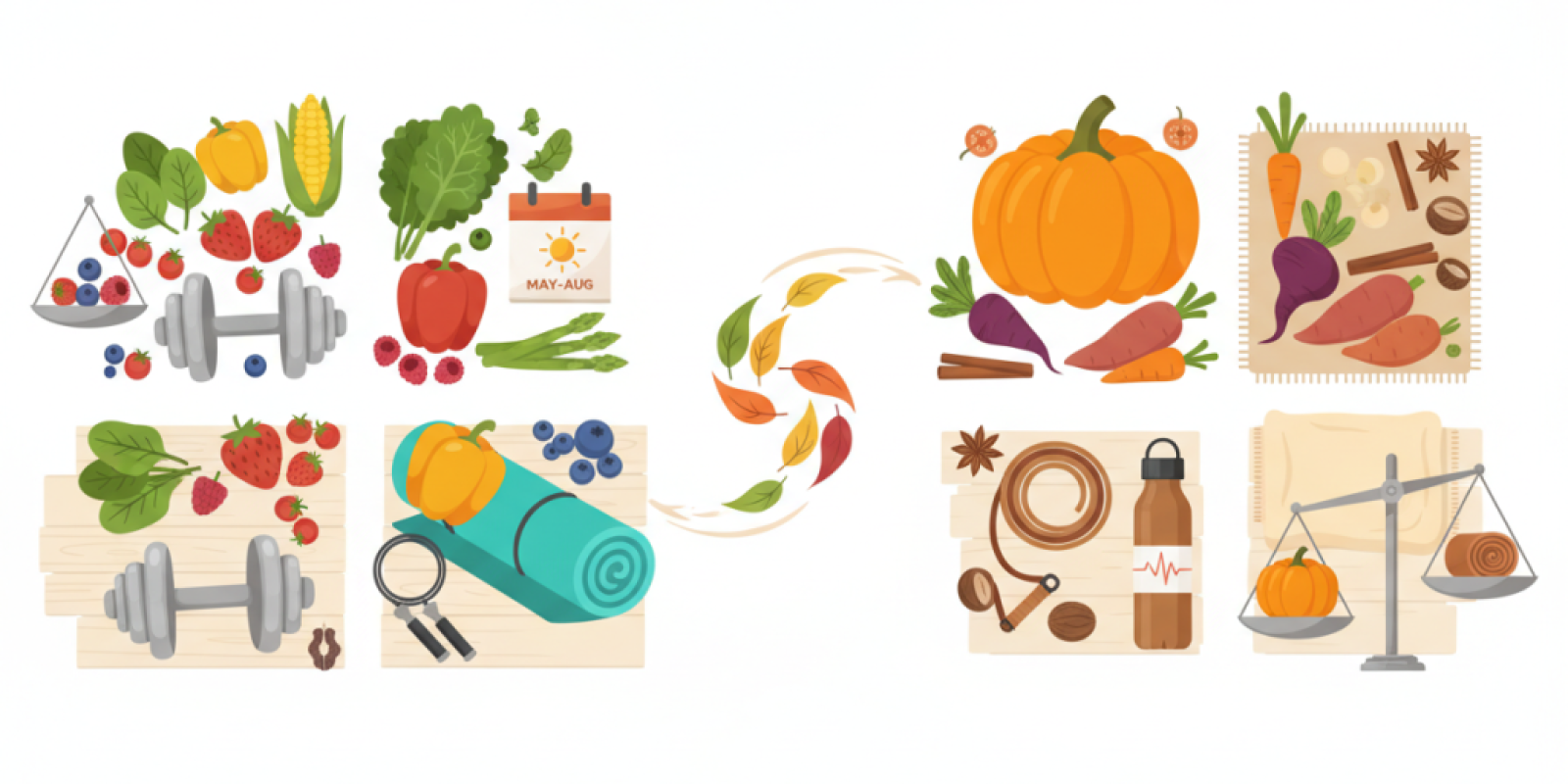
How to Maintain Fitness Motivation Through Seasonal Food Changes
Table of Contents
1. Introduction
2. Understanding Seasonal Eating Patterns and Their Impact on Fitness
3. Spring: Fresh Beginnings and Clean Eating Motivation
4. Summer: High Energy Foods for Active Lifestyles
5. Fall: Comfort Foods and Maintaining Balance
6. Winter: Fighting the Hibernation Mode
7. Practical Strategies for Year-Round Fitness Motivation
8. Creating Flexible Meal Plans That Support Your Goals
9. The Psychology Behind Seasonal Food Cravings
10. Conclusion
11. Frequently Asked Questions
Introduction
Let’s be honest – maintaining fitness motivation throughout the year feels like an uphill battle, especially when your favorite comfort foods start calling your name as the seasons change. One day you’re crushing salads and smoothies in summer, and the next thing you know, you’re face-deep in pumpkin spice everything come fall.
I’ve been there, and if you’re reading this, chances are you have too. The truth is, our bodies naturally crave different foods as seasons shift, and fighting against these instincts often leads to frustration, guilt, and eventually giving up on our fitness goals altogether.
But what if I told you that you don’t have to fight your seasonal food cravings? What if you could actually use them to fuel your fitness motivation instead of derailing it? That’s exactly what we’re going to explore in this comprehensive guide to maintaining your fitness journey through every season of the year.
Understanding Seasonal Eating Patterns and Their Impact on Fitness
Before we dive into specific strategies, it’s crucial to understand why our food preferences change with the seasons. This isn’t just about marketing campaigns for pumpkin spice lattes – there’s real science behind seasonal eating patterns.
Our ancestors survived by eating seasonally available foods, and our bodies still carry these evolutionary patterns. During warmer months, we naturally crave lighter, water-rich foods that help cool us down and provide quick energy for increased activity. As temperatures drop, our bodies instinctively seek heartier, calorie-dense foods to help maintain body temperature and store energy for the perceived “lean times” ahead.
Additionally, reduced sunlight during fall and winter affects our serotonin levels, often leading to increased cravings for carbohydrates and sugary foods that temporarily boost our mood. Understanding this biological reality is the first step toward working with your body rather than against it.
Spring: Fresh Beginnings and Clean Eating Motivation
Spring arrives like nature’s own detox program, and it’s the perfect time to reset your fitness motivation. After months of heavier winter foods, your body naturally craves lighter, cleaner options. This is your golden opportunity to align your eating habits with your fitness goals.
Take advantage of spring’s natural “cleaning” energy by incorporating fresh leafy greens, early berries, and crisp vegetables into your meals. These foods are naturally lower in calories but high in nutrients, making them perfect fuel for ramping up your workout routine.
Spring is also an excellent time to establish new habits. The longer days provide more natural light, which helps regulate your circadian rhythm and boost energy levels. Use this natural energy surge to recommit to your fitness routine and experiment with outdoor activities you might have avoided during winter.
Consider this your body’s natural “spring cleaning” period. Just as you might declutter your home, use this time to declutter your eating habits and refocus on foods that make you feel energized and strong.
Summer: High Energy Foods for Active Lifestyles
Summer is when maintaining fitness motivation feels almost effortless – if you know how to work with the season’s natural advantages. The abundance of fresh fruits and vegetables provides perfect fuel for increased outdoor activities and longer days.
Your body craves hydrating foods during hot weather, which is perfect because water-rich fruits and vegetables like watermelon, cucumbers, tomatoes, and berries are naturally lower in calories while being incredibly satisfying. These foods provide the quick energy you need for summer activities without weighing you down.
The key to summer success is embracing the season’s natural rhythm. Your appetite might naturally decrease in extreme heat – listen to your body rather than forcing yourself to eat heavy meals. Light, frequent meals often work better during summer months and can actually boost your metabolism.
Summer also offers countless opportunities for fun, active pursuits that don’t feel like traditional exercise. Swimming, hiking, cycling, outdoor sports, and even gardening can keep you moving without the monotony of gym routines.
Fall: Comfort Foods and Maintaining Balance
Here’s where things get tricky for most people. Fall brings pumpkin everything, hearty stews, and the irresistible urge to cozy up with comfort foods. But instead of viewing this as a fitness motivation killer, let’s reframe it as an opportunity to practice balance.
The secret to fall success isn’t deprivation – it’s strategic indulgence. Your body is naturally preparing for winter, and completely ignoring these instincts often leads to binge eating and guilt cycles that derail long-term progress.
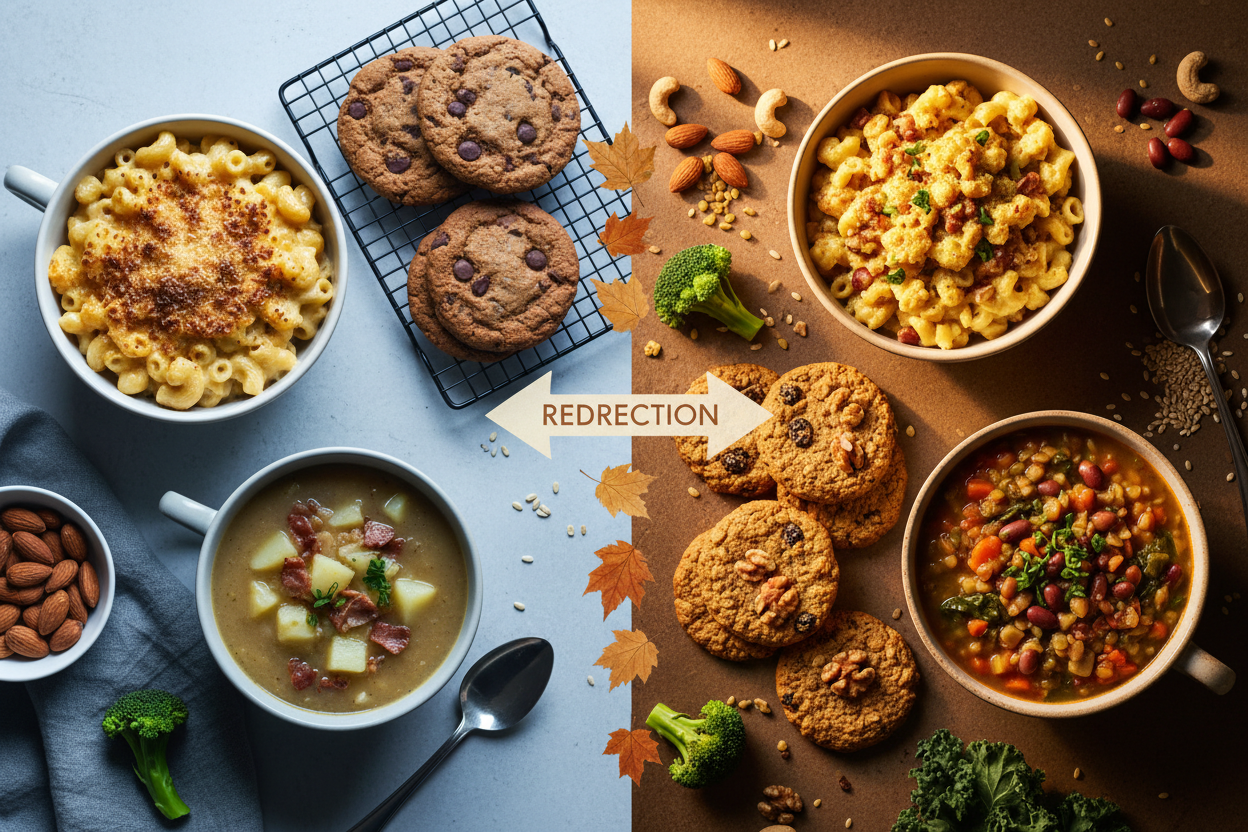
Instead, focus on upgrading your comfort foods. Love pumpkin spice? Make homemade versions with real pumpkin, which provides fiber, vitamins, and minerals. Craving hearty stews? Load them with lean proteins and vegetables. The goal is satisfaction without complete abandonment of your health goals.
Fall is also an excellent time to transition your workout routine indoors or try new activities. The cooler weather is perfect for hiking, and many people find this season ideal for strength training as they naturally crave more substantial, muscle-building activities.
Winter: Fighting the Hibernation Mode
Winter presents the biggest challenge for fitness motivation, and it’s not just about the weather. Shorter days, less sunlight, and colder temperatures all conspire to make us want to hibernate with a pile of carbs and Netflix.
The key to winter success is accepting that your approach needs to be different, not abandoned entirely. Your body genuinely needs more calories during cold weather, and trying to maintain a summer eating pattern often backfires spectacularly.
Focus on warm, nourishing foods that satisfy your comfort food cravings while still supporting your health goals. Hearty soups, roasted vegetables, lean stews, and warming spices like ginger and cinnamon can provide the comfort you crave while keeping you on track.
Winter is also the perfect time to focus on strength training and indoor activities. Your body naturally wants to build reserves during this time, so use it to build muscle mass that will boost your metabolism year-round.
Practical Strategies for Year-Round Fitness Motivation
Now that we understand the seasonal patterns, let’s talk about practical strategies that work regardless of what’s happening outside your window.
First, stop thinking in terms of “good” and “bad” foods. This black-and-white thinking is motivation killer number one. Instead, think about foods that serve your current goals and circumstances. A warming winter stew isn’t “bad” – it might be exactly what your body needs.
Second, plan for seasonal transitions instead of being surprised by them. When you know fall comfort food cravings are coming, you can prepare healthier versions of your favorites ahead of time. When winter hits and outdoor activities become less appealing, have indoor workout alternatives ready.
Third, use seasonal foods as motivation boosters rather than obstacles. Get excited about trying new spring vegetables, summer fruit combinations, fall squash varieties, and winter warming spices. This keeps your eating interesting and gives you something to look forward to.
Creating Flexible Meal Plans That Support Your Goals
Rigid meal plans are the enemy of long-term success because they don’t account for real life – including seasonal changes in food availability, cravings, and energy levels.
Instead, create flexible frameworks that can adapt to seasonal changes. For example, your breakfast might always include protein, healthy fats, and produce, but the specific foods change with the seasons. Summer might mean berries and yogurt, while winter might mean eggs with roasted vegetables.
Build your meal planning around seasonal produce not just because it’s fresher and more affordable, but because it naturally aligns with what your body craves. This makes healthy eating feel less forced and more intuitive.
Remember that meal prep looks different in different seasons too. Summer meal prep might focus on cold salads and fresh snacks, while winter prep might emphasize batch-cooked soups and roasted vegetables that can be quickly reheated.
The Psychology Behind Seasonal Food Cravings
Understanding why you crave certain foods at certain times can be incredibly empowering for maintaining motivation. It’s not a lack of willpower – it’s biology.
Seasonal Affective Disorder (SAD) affects many people during darker months, leading to increased cravings for carbohydrates and sugary foods that temporarily boost serotonin levels. Instead of fighting this completely, find healthier ways to satisfy these cravings, such as sweet potatoes, winter squash, or dark chocolate.
Social and cultural factors also play a huge role. Holiday gatherings, seasonal celebrations, and cultural food traditions all influence our eating patterns. Rather than avoiding these completely, plan for them and find ways to participate that align with your goals.
The key is awareness without judgment. When you understand that your increased appetite in fall is normal and biological, you can respond strategically rather than reactively.
Conclusion
Maintaining fitness motivation through seasonal food changes isn’t about fighting your body’s natural instincts – it’s about working with them intelligently. Every season brings unique opportunities to support your health and fitness goals if you know how to look for them.
Spring offers natural detox energy and fresh beginnings. Summer provides abundant produce and natural appetite regulation. Fall teaches us about balance and strategic indulgence. Winter reminds us that rest and nourishment are just as important as activity and restriction.
The most successful approach is one that honors these natural rhythms while keeping your long-term goals in sight. This means being flexible with your methods while staying consistent with your commitment to health.
Remember, fitness motivation isn’t about perfection – it’s about persistence. Some seasons will feel easier than others, and that’s completely normal. The goal is to develop strategies that carry you through all of them, creating a sustainable lifestyle rather than a temporary fix.
Your fitness journey doesn’t have to be derailed by seasonal changes. Instead, let each season teach you something new about nourishing your body and supporting your goals. This approach transforms seasonal eating from an obstacle into an opportunity, making your fitness motivation more resilient and your results more sustainable.
Frequently Asked Questions
Q: Is it normal to gain weight during winter months?
A: Yes, it’s completely normal for many people to gain 1-3 pounds during winter months due to increased appetite, reduced activity, and holiday eating. The key is to minimize this gain and have a plan for returning to your baseline in spring.
Q: How can I control comfort food cravings during fall and winter?
A: Instead of controlling them, try redirecting them toward healthier versions of comfort foods. Make homemade versions with more nutritious ingredients, focus on portion sizes, and ensure you’re getting adequate protein and fiber to maintain satiety.
Q: Should I eat the same amount of food year-round?
A: Not necessarily. Your caloric needs may naturally fluctuate with seasonal activity levels and temperature changes. Listen to your body’s hunger cues while staying mindful of your overall goals.
Q: What’s the best way to stay motivated to exercise during winter?
A: Focus on indoor activities you enjoy, invest in appropriate winter gear for outdoor activities, consider light therapy for mood support, and remember that consistency matters more than intensity during challenging seasons.
Q: How do I handle holiday eating without completely derailing my progress?
A: Plan ahead by eating normally on non-celebration days, focus on enjoying special foods mindfully rather than restricting everything, stay hydrated, and maintain your regular exercise routine as much as possible.
Q: Can seasonal eating actually support my fitness goals?
A: Absolutely! Seasonal eating provides variety, ensures you’re getting different nutrients throughout the year, often costs less, and works with your body’s natural rhythms rather than against them.