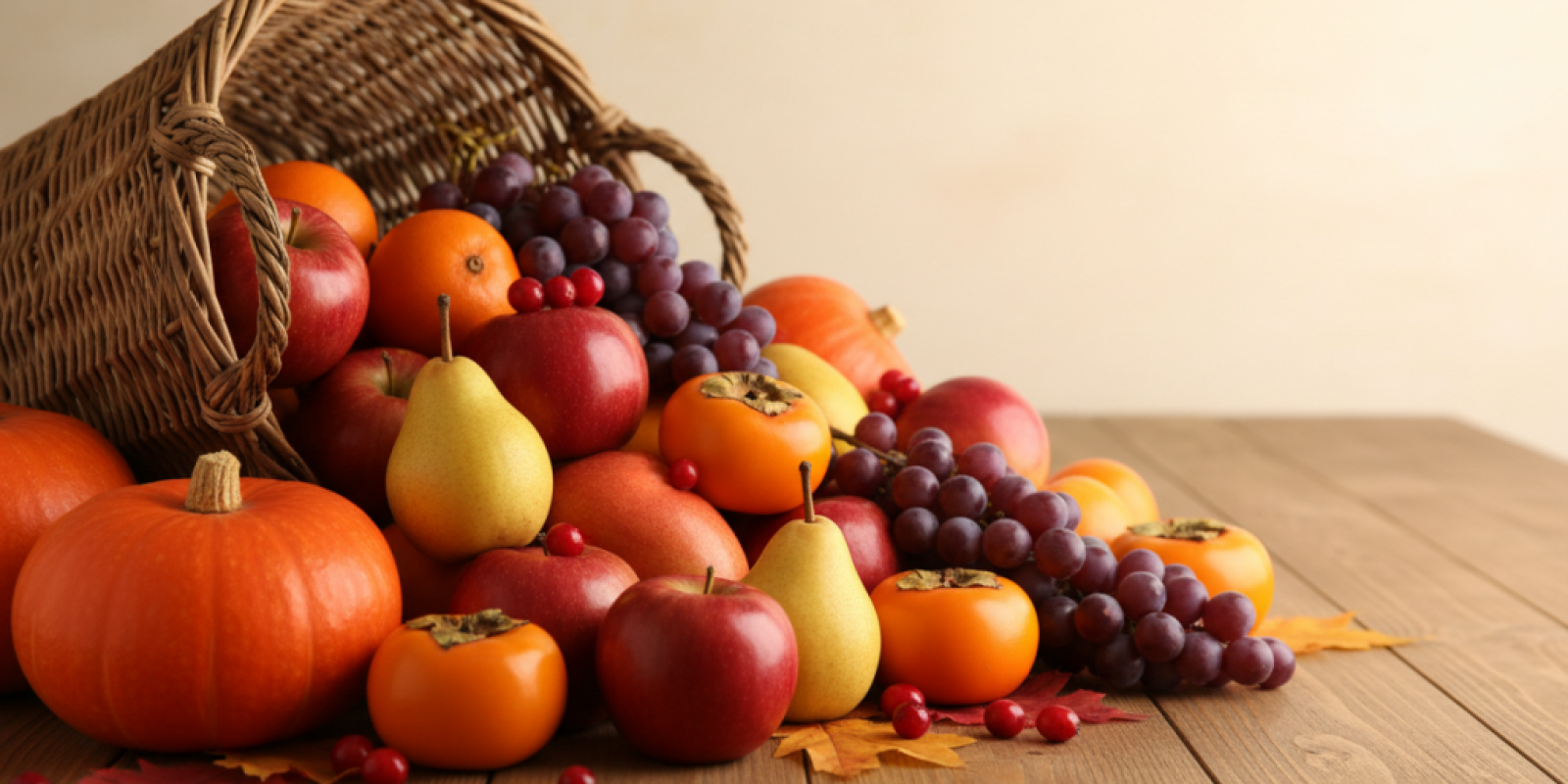
Fall Harvest: Which Seasonal Fruits Pack the Most Nutritional Punch
Table of Contents
1. Introduction
2. Why Fall Fruits Are Nutritional Powerhouses
3. Top Nutritional Champions of Fall
4. Apples: The Classic Fall Favorite
5. Pears: Sweet and Fiber-Rich
6. Cranberries: Tiny Antioxidant Bombs
7. Pomegranates: Ruby-Red Superfruits
8. Persimmons: The Underrated Fall Gem
9. How to Maximize Nutritional Benefits
10. Storage Tips for Fall Fruits
11. Conclusion
12. Frequently Asked Questions
Introduction
As the leaves begin their spectacular color transformation and the air carries that crisp autumn bite, there’s something magical happening in orchards and farms across the country. Fall harvest season brings us some of nature’s most nutritionally dense fruits, each one packed with vitamins, minerals, and antioxidants that our bodies crave as we transition into cooler months.

I’ve always been fascinated by how perfectly timed nature’s bounty is. Just when we need extra immune support and energy to combat shorter days and dropping temperatures, fall fruits arrive loaded with exactly what our bodies need. From the familiar crunch of a fresh apple to the exotic sweetness of a ripe persimmon, autumn’s fruit selection offers both comfort and incredible nutritional value.
But which fall fruits truly deserve the title of nutritional superstars? After diving deep into nutritional data and consulting with registered dietitians, I’m excited to share which seasonal fruits pack the most impressive nutritional punch and how you can make the most of fall’s incredible harvest.

Why Fall Fruits Are Nutritional Powerhouses
Fall fruits have evolved to be nutritional goldmines for good reason. As trees and plants prepare for winter dormancy, they concentrate their energy into creating fruits that can sustain both wildlife and their own reproductive cycle through harsh conditions. This natural process results in fruits with higher concentrations of vitamins, minerals, and protective compounds.
The cooler temperatures of fall also play a crucial role in fruit development. Many fall fruits develop their peak flavor and nutritional content in response to temperature drops, which trigger the production of protective antioxidants and natural sugars. This is why a crisp October apple tastes so much better than one picked in July.
Additionally, fall fruits are naturally designed to support our bodies’ changing needs. As daylight hours decrease and our immune systems face new challenges, these seasonal fruits provide vitamin C for immune support, fiber for digestive health, and antioxidants to combat oxidative stress from environmental changes.
Top Nutritional Champions of Fall
When ranking fall fruits by nutritional density, several clear winners emerge. The criteria I used include vitamin and mineral content, antioxidant levels, fiber content, and overall health benefits supported by scientific research. Here are the top contenders that consistently outperform others in multiple nutritional categories.
What makes these fruits special isn’t just one standout nutrient, but rather their comprehensive nutritional profiles. The best fall fruits offer a synergistic combination of vitamins, minerals, fiber, and phytonutrients that work together to support optimal health.
Apples: The Classic Fall Favorite
There’s truth to the saying “an apple a day keeps the doctor away,” and fall apples are at their nutritional peak. A medium apple provides about 4 grams of fiber, which is roughly 14% of your daily needs, plus significant amounts of vitamin C and potassium.
What makes apples truly special is their quercetin content, a powerful flavonoid concentrated in the skin. Research shows quercetin has anti-inflammatory properties and may help reduce the risk of heart disease and certain cancers. The pectin in apples also acts as a prebiotic, feeding beneficial gut bacteria and supporting digestive health.
Different apple varieties offer varying nutritional profiles. Red Delicious apples contain the highest levels of antioxidants, while Granny Smith apples have more fiber and lower sugar content. Honeycrisp apples provide a good balance of sweetness and nutrition, making them perfect for people transitioning to healthier eating habits.
To maximize apple nutrition, always eat them with the skin on and choose organic when possible, as apples are often heavily treated with pesticides. Store apples in the refrigerator to maintain their vitamin C content, which can degrade quickly at room temperature.
Pears: Sweet and Fiber-Rich
Pears are the unsung heroes of fall nutrition, offering more fiber per serving than most other fruits. A medium pear contains about 6 grams of fiber, making it one of the best fruits for digestive health and blood sugar regulation.
The fiber in pears is particularly beneficial because it’s a mix of soluble and insoluble types. Soluble fiber helps lower cholesterol and stabilize blood sugar, while insoluble fiber promotes healthy digestion and regular bowel movements. This combination makes pears excellent for people managing diabetes or trying to maintain steady energy levels throughout the day.
Pears also provide vitamin C, vitamin K, and copper. The copper content is especially noteworthy, as this mineral is essential for iron absorption and collagen production. Asian pears, which are crisp like apples but sweet like traditional pears, offer similar nutritional benefits with added vitamin A.
When selecting pears, remember they ripen from the inside out. A perfectly ripe pear will yield slightly to gentle pressure near the stem. If you buy them firm, let them ripen at room temperature for a few days before refrigerating.
Cranberries: Tiny Antioxidant Bombs
Fresh cranberries are nutritional powerhouses that deserve recognition beyond their traditional Thanksgiving sauce appearance. These tart berries contain some of the highest levels of antioxidants found in any fruit, particularly proanthocyanidins, which give cranberries their distinctive red color and many health benefits.
The proanthocyanidins in cranberries are famous for preventing urinary tract infections by preventing harmful bacteria from adhering to the urinary tract walls. However, their benefits extend far beyond urinary health. These compounds also support cardiovascular health, may help prevent certain cancers, and have anti-inflammatory properties.
Fresh cranberries are also surprisingly low in natural sugars compared to other fruits, making them an excellent choice for people monitoring their blood sugar levels. They’re rich in vitamin C, providing about 22% of daily needs in just one cup, plus vitamin E and manganese.
The challenge with cranberries is their intense tartness, which can be off-putting when eaten fresh. Try adding them to smoothies with sweeter fruits, incorporating them into homemade trail mix, or lightly cooking them with a small amount of natural sweetener to make them more palatable while preserving their nutritional benefits.
Pomegranates: Ruby-Red Superfruits
Pomegranates have earned their superfruit status through extensive research showing their exceptional antioxidant content. These jewel-like fruits contain three times more antioxidants than red wine or green tea, with most of the power concentrated in the ruby-red arils (the seed sacs).
The primary antioxidants in pomegranates are punicalagins and anthocyanins, which have been studied extensively for their potential to reduce inflammation, support heart health, and even slow the progression of certain age-related conditions. Some studies suggest that regular pomegranate consumption may help improve memory and cognitive function.
Nutritionally, pomegranates provide vitamin C, vitamin K, folate, and potassium. They’re also a good source of fiber, with about 7 grams per cup of arils. The combination of fiber and antioxidants makes pomegranates particularly beneficial for digestive health and may help reduce the risk of colorectal cancer.
While removing pomegranate arils can seem daunting, there’s an easy method: cut the fruit in half, hold it cut-side down over a bowl, and tap the back with a wooden spoon. The arils will fall out cleanly. Fresh arils can be stored in the refrigerator for up to two months, making them a convenient healthy snack option.
Persimmons: The Underrated Fall Gem
Persimmons are perhaps the most underappreciated fall fruit, despite being nutritional superstars. These orange fruits, which look like tomatoes but taste like a cross between a mango and a date, are loaded with vitamins A and C, plus significant amounts of manganese and fiber.
The vitamin A content in persimmons is particularly impressive, with one fruit providing about 55% of daily needs. This vitamin A comes primarily from beta-carotene, which gives persimmons their vibrant orange color and supports eye health, immune function, and skin health.
Persimmons also contain unique compounds called tannins, which give some varieties their astringent taste when unripe. These tannins have antioxidant properties and may help reduce inflammation and support heart health. The key is eating persimmons when they’re properly ripe – they should feel soft and almost jelly-like for the best flavor and lowest tannin content.
There are two main types of persimmons: astringent (like Hachiya) and non-astringent (like Fuyu). Fuyu persimmons can be eaten while still firm, like an apple, while Hachiya persimmons must be completely soft and ripe to be palatable. Both varieties offer similar nutritional benefits.
How to Maximize Nutritional Benefits
Getting the most nutrition from fall fruits requires some strategic thinking about selection, storage, and preparation. The nutritional content of fruits can vary significantly based on factors like ripeness, storage conditions, and how they’re prepared.
First, timing matters. Fruits that are allowed to ripen naturally on the tree or plant develop higher levels of vitamins and antioxidants than those picked early and ripened artificially. When possible, shop at farmers’ markets or pick-your-own orchards where fruits are more likely to be tree-ripened.
Storage is crucial for maintaining nutritional value. Most fall fruits should be stored in the refrigerator once ripe, as heat and light can degrade vitamins, particularly vitamin C. However, some fruits like pears and persimmons may need to ripen at room temperature first.
Preparation methods also impact nutrition. Eating fruits with their skins on provides more fiber and antioxidants, as many beneficial compounds are concentrated in or just under the skin. When making smoothies or juices, include the pulp and fiber rather than straining them out, as fiber helps slow sugar absorption and provides additional health benefits.
Storage Tips for Fall Fruits
Proper storage can extend the life of fall fruits and help maintain their nutritional value for weeks or even months. Each type of fruit has specific storage requirements that can make the difference between enjoying peak nutrition and dealing with spoiled produce.
Apples are remarkably long-lasting when stored properly. Keep them in the refrigerator’s crisper drawer, preferably in a perforated plastic bag to maintain humidity while allowing air circulation. Properly stored apples can maintain their quality for 1-2 months. However, keep them away from other fruits, as apples release ethylene gas that can cause other produce to ripen and spoil more quickly.
Pears should be ripened at room temperature until they yield slightly to pressure near the stem, then refrigerated to slow further ripening. Once ripe, they’ll keep in the refrigerator for 3-5 days. Unripe pears can be stored at room temperature for up to a week.
Fresh cranberries can be stored in the refrigerator for up to two months in their original packaging. They can also be frozen for up to a year without significant nutritional loss. Frozen cranberries work well in baked goods and smoothies.
Pomegranate arils should be stored in airtight containers in the refrigerator and used within 5-7 days for best quality. Whole pomegranates can be stored at room temperature for up to a week or refrigerated for up to two months.
Conclusion
Fall’s harvest offers us an incredible opportunity to nourish our bodies with some of nature’s most nutritionally dense fruits. From the familiar comfort of a crisp apple to the exotic richness of a ripe persimmon, each seasonal fruit brings its own unique combination of vitamins, minerals, and protective compounds.
The beauty of fall fruits lies not just in their individual nutritional profiles, but in how they complement each other and support our bodies’ changing needs as we transition into cooler months. By incorporating a variety of these seasonal treasures into your diet, you’re not just enjoying delicious flavors – you’re investing in your health with every bite.
Remember that the best nutritional strategy is variety and consistency. Rather than focusing on just one “superfruit,” aim to include different fall fruits throughout the week. This approach ensures you’re getting a wide range of nutrients while keeping your taste buds interested and engaged.
As you explore farmers’ markets and grocery stores this fall, I encourage you to try fruits you might have overlooked before. That oddly-shaped persimmon or bag of tart cranberries might just become your new favorite way to support your health naturally. After all, there’s something deeply satisfying about eating with the seasons and knowing that nature has perfectly timed its bounty to support our wellness.
Frequently Asked Questions
Which fall fruit has the most vitamin C?
Cranberries and pomegranates are among the highest in vitamin C content, with cranberries providing about 22% of daily needs per cup and pomegranates offering about 30% per cup of arils.
Are dried fall fruits as nutritious as fresh ones?
Dried fruits retain most minerals and some vitamins, but they lose vitamin C and have concentrated sugars. Fresh fruits are generally more nutritious and filling due to their water content and intact fiber structure.
Can I get the same benefits from fruit juices?
Whole fruits are more beneficial than juices because they provide fiber, which slows sugar absorption and promotes satiety. If you choose juice, look for 100% fruit juice without added sugars and consume it in moderation.
How many servings of fall fruits should I eat daily?
The general recommendation is 2-4 servings of fruit daily, with one serving being about one medium fruit or 1/2 cup of smaller fruits like cranberries. Variety is key for maximum nutritional benefit.
Are organic fall fruits worth the extra cost?
For fruits where you eat the skin (like apples and pears), organic can reduce pesticide exposure. However, washing conventional fruits thoroughly can also remove many surface residues. Choose organic when budget allows, especially for the “Dirty Dozen” fruits.
Can fall fruits help with seasonal depression?
While fruits alone can’t treat seasonal depression, the vitamin C, antioxidants, and natural sugars in fall fruits may help support mood and energy levels. The vitamin D in some fortified fruit products may also be beneficial during darker months.