
Summer Vegetables That Supercharge Your Metabolism
Table of Contents
1. Introduction: Why Summer Vegetables Are Metabolism Game-Changers
2. The Science Behind Metabolism-Boosting Foods
3. Top Summer Vegetables for Maximum Metabolic Impact
4. How to Incorporate These Powerhouse Vegetables Into Your Daily Diet
5. Delicious Summer Recipes That Rev Up Your Metabolism
6. Additional Benefits of Summer Vegetables Beyond Metabolism
7. Tips for Selecting and Storing Summer Vegetables
8. Conclusion: Your Path to a Faster Metabolism
9. Frequently Asked Questions
Introduction: Why Summer Vegetables Are Metabolism Game-Changers
As the summer sun reaches its peak and farmers’ markets overflow with vibrant produce, there’s never been a better time to harness the natural power of seasonal vegetables to boost your metabolism. While many people associate metabolism with expensive supplements or complicated diet plans, the truth is that some of the most effective metabolism-boosting foods are growing right in your backyard or local garden.
Summer vegetables aren’t just refreshing and delicious – they’re nutritional powerhouses packed with compounds that can naturally accelerate your body’s calorie-burning processes. From the capsaicin in hot peppers that literally heats up your metabolism to the fiber-rich cucumbers that require extra energy to digest, these seasonal superstars offer a natural, sustainable way to support your metabolic health.
In this comprehensive guide, we’ll explore the fascinating world of metabolism-boosting summer vegetables, diving deep into the science behind their fat-burning properties and providing you with practical strategies to incorporate them into your daily routine. Whether you’re looking to shed a few pounds, increase your energy levels, or simply optimize your overall health, these summer vegetables will become your new best friends.
The Science Behind Metabolism-Boosting Foods
Before we dive into specific vegetables, it’s crucial to understand how certain foods can actually influence your metabolic rate. Your metabolism encompasses all the chemical processes that keep your body functioning, including converting food into energy. The thermic effect of food (TEF) refers to the temporary increase in energy expenditure that occurs after eating, and some foods have a much higher TEF than others.
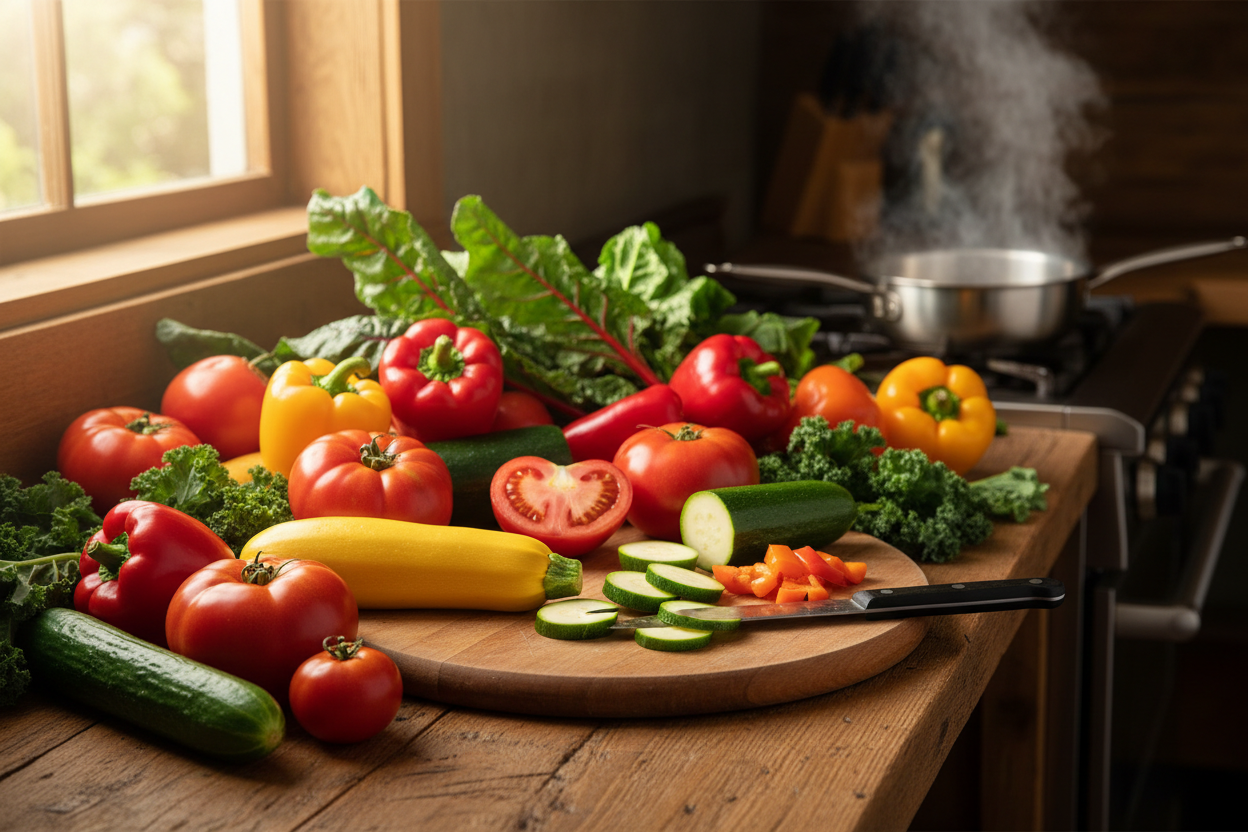
Certain compounds found in summer vegetables can boost metabolism through various mechanisms. Capsaicin, found in hot peppers, increases thermogenesis by activating your sympathetic nervous system. Fiber-rich vegetables require significant energy for digestion, effectively burning calories as you eat them. Additionally, many summer vegetables are rich in vitamins and minerals that support optimal thyroid function, which is crucial for maintaining a healthy metabolic rate.
Water-rich vegetables also play a role in metabolic health by supporting proper hydration, which is essential for optimal cellular function and energy production. When you’re properly hydrated, your body can more efficiently carry out metabolic processes, leading to better overall energy utilization.
Top Summer Vegetables for Maximum Metabolic Impact
Hot Peppers: Nature’s Metabolism Igniters
Hot peppers deserve the top spot on our list of metabolism-boosting summer vegetables. Whether you prefer jalapeños, serranos, or ghost peppers, these fiery vegetables contain capsaicin, a compound that can increase your metabolic rate by up to 25% for several hours after consumption. The heat you feel when eating spicy foods is actually your body working harder, burning more calories in the process.
Research has shown that people who regularly consume hot peppers tend to have lower body weights and better metabolic profiles. The beauty of hot peppers is their versatility – you can add them to salads, salsas, stir-fries, or even infuse them into water for a metabolism-boosting drink.
Cucumbers: The Hydrating Fat Burners
Don’t underestimate the humble cucumber. These refreshing vegetables are composed of about 96% water, making them incredibly hydrating while requiring significant energy to digest due to their fiber content. The combination of high water content and fiber creates a negative calorie effect, meaning you burn more calories digesting cucumbers than they actually contain.
Cucumbers also contain silica, a compound that supports healthy metabolism by improving the efficiency of cellular processes. Their natural diuretic properties help eliminate excess water weight while supporting kidney function, which is crucial for metabolic health.
Tomatoes: Lycopene-Powered Metabolism Boosters
Fresh summer tomatoes are bursting with lycopene, a powerful antioxidant that not only gives tomatoes their vibrant red color but also supports metabolic health. Studies suggest that lycopene can help regulate genes involved in fat metabolism and may even help prevent the formation of new fat cells.
Tomatoes are also rich in vitamin C, which is essential for the production of carnitine, a compound that helps your body burn fat for energy. The natural acidity in tomatoes can also help improve digestion and nutrient absorption, supporting overall metabolic efficiency.
Leafy Greens: Iron-Rich Metabolism Supporters
Summer brings an abundance of fresh leafy greens like spinach, arugula, and Swiss chard. These vegetables are packed with iron, a mineral that’s essential for carrying oxygen to your cells and supporting energy production. Iron deficiency can significantly slow down your metabolism, making these greens crucial for maintaining optimal metabolic function.
The high fiber content in leafy greens also contributes to their metabolism-boosting properties. Your body burns approximately 10% of the calories in leafy greens just digesting them, making them true negative-calorie foods.
Zucchini: The Versatile Metabolism Enhancer
Zucchini is a summer squash that’s incredibly low in calories but high in nutrients that support metabolic health. Rich in potassium, zucchini helps regulate fluid balance and supports proper muscle function, both of which are important for maintaining an active metabolism.
The high water and fiber content in zucchini creates a filling effect with minimal calories, helping you maintain a healthy weight while providing your body with essential nutrients. Zucchini also contains B vitamins that are crucial for energy metabolism and converting food into usable energy.
How to Incorporate These Powerhouse Vegetables Into Your Daily Diet
Incorporating metabolism-boosting summer vegetables into your daily routine doesn’t have to be complicated or time-intensive. The key is to think creatively and make these vegetables easily accessible throughout your day.
Start your morning by adding diced tomatoes and hot peppers to your scrambled eggs or omelet. The combination of protein and metabolism-boosting vegetables will give you sustained energy throughout the morning while kickstarting your metabolic rate for the day.
For lunch, create refreshing salads using a base of mixed leafy greens, cucumber slices, and cherry tomatoes. Add a sprinkle of hot pepper flakes or fresh jalapeños for an extra metabolic boost. The high water content will keep you hydrated while the fiber keeps you satisfied.
Dinner is the perfect time to get creative with zucchini. Use a spiralizer to create zucchini noodles as a low-calorie pasta alternative, or slice zucchini into rounds and use them as a base for mini pizzas topped with tomatoes and hot peppers.
Don’t forget about snacks! Cucumber slices with a spicy hummus dip, cherry tomatoes with a dash of hot sauce, or zucchini chips baked with metabolism-boosting spices can help keep your metabolic fire burning between meals.
Delicious Summer Recipes That Rev Up Your Metabolism
Spicy Gazpacho
This cold soup is perfect for hot summer days and combines multiple metabolism-boosting vegetables in one delicious dish. Blend together fresh tomatoes, cucumbers, hot peppers, and fresh herbs with a splash of olive oil and vinegar. The result is a refreshing, nutrient-dense meal that will keep your metabolism humming.
Metabolism-Boosting Salad
Create a powerhouse salad using mixed leafy greens as a base, topped with sliced cucumbers, cherry tomatoes, and thinly sliced hot peppers. Dress with a simple vinaigrette made from olive oil, lemon juice, and a pinch of cayenne pepper for an extra metabolic kick.
Stuffed Zucchini Boats
Hollow out zucchini halves and stuff them with a mixture of diced tomatoes, hot peppers, and lean protein. Bake until tender for a complete meal that’s packed with metabolism-boosting nutrients while being incredibly satisfying and flavorful.
Additional Benefits of Summer Vegetables Beyond Metabolism
While the metabolism-boosting properties of these summer vegetables are impressive, their benefits extend far beyond calorie burning. These nutritional powerhouses support overall health in numerous ways that contribute to your well-being and energy levels.
The high antioxidant content in tomatoes, peppers, and leafy greens helps protect your cells from oxidative stress, which can slow down metabolic processes over time. By consuming these vegetables regularly, you’re not just boosting your current metabolic rate but also protecting your long-term metabolic health.
The natural detoxification properties of cucumbers and leafy greens help support liver function, which is crucial for metabolizing fats and processing toxins that could otherwise interfere with optimal metabolic function. A healthy liver is essential for maintaining steady energy levels and efficient nutrient processing.
These vegetables also provide essential electrolytes like potassium and magnesium, which support proper muscle function and energy production at the cellular level. When your muscles can function optimally, you’re able to maintain higher activity levels, which naturally supports a faster metabolism.
Tips for Selecting and Storing Summer Vegetables
To maximize the metabolism-boosting benefits of summer vegetables, it’s important to select the freshest, highest-quality produce and store it properly to maintain its nutritional value.
When selecting hot peppers, look for firm, glossy skin without wrinkles or soft spots. The heat level is often indicated by the pepper’s size – smaller peppers tend to be hotter. Store peppers in the refrigerator for up to two weeks, or freeze them for longer storage.
Choose cucumbers that are firm and dark green without yellow spots or soft areas. Store them in the refrigerator’s crisper drawer, and avoid storing them near ethylene-producing fruits like tomatoes, which can cause them to deteriorate faster.
Select tomatoes that are firm but give slightly to gentle pressure. For the best flavor and nutritional content, store tomatoes at room temperature until ripe, then refrigerate to extend their shelf life. Vine-ripened tomatoes typically have higher lycopene content than those picked green and ripened artificially.
When choosing leafy greens, look for crisp, vibrant leaves without wilting or dark spots. Store them in the refrigerator wrapped in damp paper towels to maintain freshness and nutritional value.
Conclusion: Your Path to a Faster Metabolism
Summer vegetables offer a natural, delicious way to boost your metabolism while nourishing your body with essential nutrients. From the thermogenic effects of hot peppers to the negative-calorie properties of cucumbers, these seasonal superstars provide multiple pathways to enhanced metabolic function.
The beauty of using summer vegetables to boost your metabolism lies in their accessibility and versatility. You don’t need expensive supplements or complicated meal plans – just fresh, seasonal produce that you can incorporate into meals you already enjoy. The key is consistency and creativity in finding ways to include these powerful vegetables in your daily routine.
Remember that while these vegetables can significantly support your metabolic health, they work best as part of a balanced lifestyle that includes regular physical activity, adequate hydration, and sufficient sleep. By combining the natural power of metabolism-boosting summer vegetables with other healthy lifestyle choices, you’ll be well on your way to optimizing your body’s calorie-burning potential.
As you embark on this journey toward better metabolic health, start small and gradually increase your intake of these powerful vegetables. Your taste buds will adapt, your energy levels will improve, and your metabolism will thank you for the natural boost these summer superstars provide.
Frequently Asked Questions
How quickly can I expect to see results from eating metabolism-boosting summer vegetables?
The immediate thermogenic effects of hot peppers can be felt within 30 minutes of consumption and may last for several hours. However, significant metabolic improvements typically become noticeable after 2-4 weeks of consistent consumption as your body adapts and your overall health improves.
Can I still get metabolism-boosting benefits if I cook these vegetables?
Yes, though some nutrients may be reduced through cooking. Lightly steaming or sautéing preserves most beneficial compounds. Interestingly, cooking tomatoes actually increases the bioavailability of lycopene, making cooked tomatoes even more beneficial for metabolism than raw ones.
Are there any side effects to eating large amounts of metabolism-boosting vegetables?
These vegetables are generally safe for most people. However, those sensitive to spicy foods should start with small amounts of hot peppers. People with kidney stones should moderate their intake of high-oxalate vegetables like spinach. Always consult with a healthcare provider if you have specific health concerns.
How much of these vegetables should I eat daily for optimal metabolic benefits?
Aim for 2-3 servings of mixed metabolism-boosting vegetables daily. This could include a cup of leafy greens, half a cucumber, one medium tomato, and a small amount of hot peppers according to your tolerance level. Variety is key to maximizing benefits.
Can frozen versions of these vegetables provide the same metabolic benefits?
Frozen vegetables retain most of their nutritional value and can still provide metabolic benefits, though fresh vegetables typically have slightly higher nutrient content. Frozen options are convenient and still much better than processed alternatives.