
Winter Vegetables: Your Secret Weapon for Maintaining Fitness Motivation
Winter can feel like an uphill battle when it comes to staying motivated with your fitness routine. The shorter days, colder temperatures, and holiday temptations seem to conspire against our best intentions. But what if I told you that nature has provided us with the perfect allies to combat winter fitness fatigue? Enter winter vegetables – your unexpected secret weapon for maintaining energy, motivation, and momentum throughout the coldest months of the year.
While many people view winter as a time to hibernate and indulge, smart fitness enthusiasts know that this season offers unique opportunities to fuel their bodies with nutrient-dense, seasonal produce that can actually enhance their workout performance and recovery.
Table of Contents
1. Why Winter Vegetables Are Fitness Game-Changers
2. Top Winter Vegetables for Peak Athletic Performance
3. Seasonal Nutrition Strategies for Sustained Energy
4. Meal Prep Ideas That Keep You Motivated
5. Combating Winter Blues Through Nutritional Choices
6. Budget-Friendly Winter Vegetable Shopping Tips
7. Quick Winter Vegetable Recipes for Busy Fitness Schedules
8. Frequently Asked Questions
Why Winter Vegetables Are Fitness Game-Changers
You might wonder why winter vegetables deserve special attention in your fitness journey. The truth is, these cold-weather champions pack a nutritional punch that’s perfectly suited to support your body during the most challenging season for maintaining an active lifestyle.
Winter vegetables have evolved to survive harsh conditions, which means they’re loaded with protective compounds, antioxidants, and nutrients that can help your body do the same. When you’re pushing through a tough workout in January or trying to maintain your running routine despite the cold, these vegetables provide the sustained energy and recovery support your body craves.
Research shows that people who maintain consistent vegetable intake during winter months report higher energy levels and better mood stability – two crucial factors for staying committed to fitness goals. Plus, winter vegetables tend to be heartier and more satisfying than their summer counterparts, helping you feel fuller longer and reducing the likelihood of reaching for processed comfort foods.
Top Winter Vegetables for Peak Athletic Performance
Not all vegetables are created equal when it comes to supporting your fitness goals during winter. Let me share the powerhouse performers that should be starring in your cold-weather meal plans.
Sweet potatoes deserve the top spot on any winter fitness enthusiast’s shopping list. These orange gems provide complex carbohydrates for sustained energy, beta-carotene for immune support, and potassium for proper muscle function. I’ve personally noticed that incorporating sweet potatoes into my pre-workout meals gives me steady energy that lasts through even my longest training sessions.
Brussels sprouts might have a bad reputation from childhood, but these mini cabbages are nutritional powerhouses. They’re packed with vitamin K for bone health, vitamin C for immune function, and fiber for digestive health. When roasted with a touch of olive oil, they become crispy, satisfying additions to any post-workout meal.
Kale continues to reign supreme as a winter superfood. This hardy green thrives in cold weather and provides iron for oxygen transport, calcium for bone strength, and antioxidants for recovery. Unlike delicate summer greens, kale actually improves in flavor after exposure to frost, making it perfect for winter smoothies and hearty salads.
Carrots offer natural sweetness along with beta-carotene and fiber. They’re incredibly versatile – perfect for pre-workout snacks when paired with hummus or as a base for recovery soups. The natural sugars in carrots provide quick energy without the crash associated with processed foods.
Seasonal Nutrition Strategies for Sustained Energy
Understanding how to strategically use winter vegetables throughout your day can make the difference between dragging yourself through workouts and feeling energized and motivated. The key lies in timing and combination.
Start your morning with vegetables that provide steady energy release. A breakfast hash made with sweet potatoes, spinach, and bell peppers sets a strong foundation for your day. The complex carbohydrates fuel your morning workout, while the vegetables provide essential vitamins and minerals your body needs for optimal function.
For pre-workout nutrition, focus on easily digestible options. Roasted beets with their natural nitrates can actually improve blood flow and exercise performance. Many athletes swear by beet juice before training, but I prefer incorporating roasted beets into a light salad about two hours before hitting the gym.
Post-workout recovery is where winter vegetables really shine. The anti-inflammatory compounds in vegetables like broccoli, cauliflower, and dark leafy greens help reduce exercise-induced inflammation and speed recovery. Creating colorful Buddha bowls with a variety of roasted winter vegetables ensures you’re getting a full spectrum of recovery nutrients.
Meal Prep Ideas That Keep You Motivated
One of the biggest challenges to maintaining fitness motivation during winter is the extra time it takes to prepare nutritious meals when you’re already battling shorter days and lower energy. Smart meal prep using winter vegetables can be your salvation.
Sunday batch cooking becomes a game-changer when you focus on versatile winter vegetables. Spend two hours roasting large batches of different vegetables – sweet potatoes, Brussels sprouts, carrots, and parsnips. These can be mixed and matched throughout the week for quick meals that support your fitness goals.
Soup preparation is another winter meal prep strategy that pays dividends. A large pot of vegetable-based soup can provide several days’ worth of nutritious meals. I like to make a hearty lentil and winter vegetable soup that serves as both a pre-workout meal and a recovery dinner, depending on portion size and timing.
Don’t overlook the power of frozen winter vegetable combinations. While fresh is ideal, having high-quality frozen options means you’re never without nutritious choices, even when motivation is low. A bag of frozen butternut squash can become a quick side dish or smoothie addition in minutes.
Combating Winter Blues Through Nutritional Choices
The connection between nutrition and mood is particularly important during winter months when seasonal affective patterns can derail fitness motivation. Winter vegetables contain specific nutrients that support mental health and energy levels.
Folate-rich vegetables like spinach, asparagus, and Brussels sprouts support neurotransmitter production, which directly impacts mood and motivation. When your brain has the building blocks it needs to produce feel-good chemicals, maintaining exercise motivation becomes significantly easier.
The fiber in winter vegetables also plays a crucial role in mood stability. A healthy gut microbiome, supported by diverse fiber intake, produces neurotransmitters that influence mood and energy. This gut-brain connection explains why people who eat more vegetables often report better mental health and sustained motivation.
Magnesium-rich winter vegetables like Swiss chard and spinach help regulate cortisol levels and support quality sleep – both essential for maintaining the energy needed for consistent workouts. Poor sleep and high stress are motivation killers, making these vegetables particularly valuable during challenging winter months.
Budget-Friendly Winter Vegetable Shopping Tips
Maintaining a vegetable-rich diet doesn’t have to break your budget, especially during winter when many vegetables are at their seasonal peak. Smart shopping strategies can help you maximize nutrition while minimizing costs.
Focus on vegetables that are truly in season during winter months. Cabbage, turnips, rutabagas, and winter squash are typically at their lowest prices from December through March. These vegetables also store well, allowing you to buy in larger quantities when prices are especially good.
Consider joining a winter CSA (Community Supported Agriculture) program or shopping at farmers’ markets that continue through winter months. You’ll often find better prices on locally grown winter vegetables, plus you’ll discover varieties you might not see in conventional grocery stores.
Frozen vegetables can be incredibly cost-effective, especially for items like spinach, broccoli, and mixed winter vegetable blends. The nutritional value is often comparable to fresh, and you eliminate waste from vegetables spoiling before you can use them.
Quick Winter Vegetable Recipes for Busy Fitness Schedules
When you’re juggling work, workouts, and winter weather, simple recipes that maximize nutrition become essential. These quick preparation methods ensure you always have fitness-supporting meals ready.
Sheet pan roasting is your best friend for winter vegetable preparation. Toss chopped vegetables with olive oil and seasonings, then roast at 425°F for 20-30 minutes. This method works perfectly for sweet potatoes, Brussels sprouts, cauliflower, and root vegetables. You can prepare several pans at once for the week ahead.
Smoothie packs make winter vegetables accessible even when you’re rushing out the door. Pre-portion frozen spinach, kale, or even cooked and frozen butternut squash into freezer bags. Add frozen fruit and your liquid of choice for instant nutrition that supports your training goals.
Quick sautés can transform any winter green into a nutritious side dish in under ten minutes. Heat olive oil in a pan, add garlic, then toss in chopped kale, chard, or collard greens. Season with salt, pepper, and a squeeze of lemon for a simple side that pairs perfectly with lean proteins.
Frequently Asked Questions
Q: Are frozen winter vegetables as nutritious as fresh ones?
A: Yes, frozen vegetables can be just as nutritious as fresh ones, and sometimes even more so. Vegetables are typically frozen at peak ripeness, locking in nutrients. For winter vegetables like spinach, broccoli, and peas, frozen options are excellent choices that offer convenience without sacrificing nutrition.
Q: How can I make winter vegetables more appealing if I’m not used to eating them?
A: Start by roasting vegetables with olive oil and seasonings, which brings out natural sweetness and creates appealing textures. Try mixing winter vegetables into familiar dishes like pasta, soups, or stir-fries. Gradually increase the vegetable-to-other-ingredient ratio as your taste preferences adapt.
Q: What’s the best time to eat vegetables in relation to my workouts?
A: For pre-workout, focus on easily digestible vegetables 2-3 hours before exercise. Post-workout, emphasize anti-inflammatory vegetables like leafy greens and colorful options within 30-60 minutes of finishing your session. Throughout the day, aim for vegetables at every meal to maintain steady energy levels.
Q: Can winter vegetables help with weight management during the holidays?
A: Absolutely. Winter vegetables are typically high in fiber and water content while being relatively low in calories. They help you feel satisfied and full, reducing cravings for less nutritious options. The fiber also helps regulate blood sugar, preventing the energy crashes that lead to overeating.
Q: How do I store winter vegetables to maximize their shelf life?
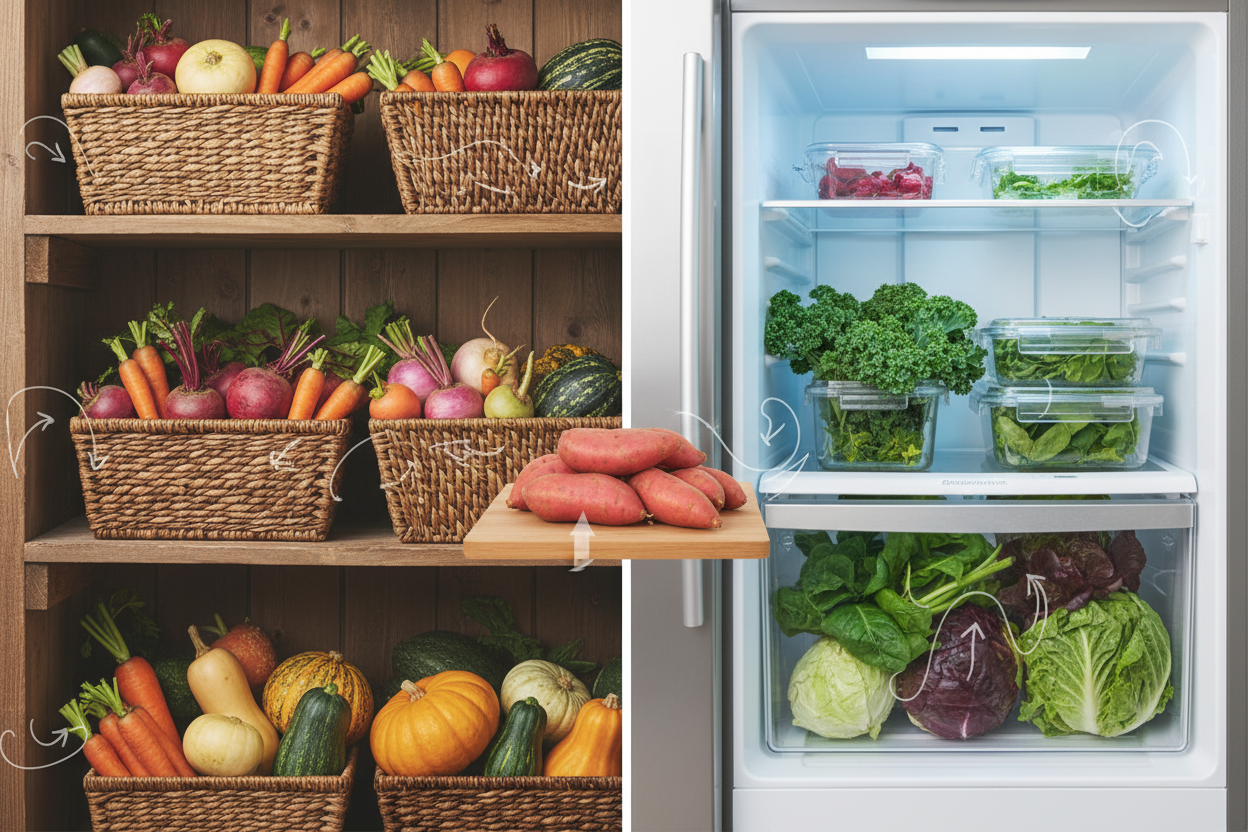
A: Most root vegetables and winter squash should be stored in cool, dark places with good air circulation. Leafy greens do best in the refrigerator crisper drawer. Sweet potatoes should never be refrigerated. Proper storage can extend the life of winter vegetables significantly, making meal prep more efficient.
Q: Are there any winter vegetables I should avoid before workouts?
A: Avoid high-fiber vegetables like raw broccoli or large amounts of beans immediately before workouts, as they can cause digestive discomfort. Stick to cooked, easily digestible options or consume raw vegetables at least 2-3 hours before exercising.
Winter doesn’t have to be the season where your fitness motivation hibernates. By embracing the nutritional power of winter vegetables, you’re not just maintaining your health – you’re giving yourself a competitive advantage. These cold-weather champions provide the sustained energy, recovery support, and mood stability needed to thrive during the most challenging months for fitness enthusiasts.
Remember, consistency beats perfection every time. Start by incorporating one or two new winter vegetables into your weekly routine, then gradually expand your repertoire. Your body will thank you with increased energy, better recovery, and the motivation to keep pushing toward your fitness goals, regardless of what winter throws your way.
The secret isn’t just surviving winter – it’s using this season’s unique nutritional opportunities to come out stronger, healthier, and more motivated than ever before.