The Complete Guide to Hormonal Balance Through Seasonal Eating
Have you ever noticed how your energy levels, mood, and cravings seem to shift with the seasons? There’s actually a fascinating scientific reason behind this phenomenon. Our hormones naturally fluctuate throughout the year, responding to changes in daylight, temperature, and food availability. By aligning our eating habits with these natural rhythms, we can support optimal hormonal balance and feel our best year-round.
Seasonal eating isn’t just a trendy wellness concept – it’s a time-tested approach that our ancestors practiced out of necessity. Today, we have the luxury of accessing any food at any time, but this convenience might actually be working against our body’s natural hormonal patterns. Let’s explore how you can harness the power of seasonal nutrition to support your hormonal health throughout the year.
Table of Contents
1. Understanding Hormonal Fluctuations Throughout the Year
2. Spring: Detox and Renewal
3. Summer: Energy and Vitality
4. Fall: Preparation and Grounding
5. Winter: Rest and Restoration
6. Key Nutrients for Hormonal Balance by Season
7. Practical Tips for Implementing Seasonal Eating
8. Common Mistakes to Avoid
9. Frequently Asked Questions
Understanding Hormonal Fluctuations Throughout the Year
Our endocrine system is incredibly sophisticated, responding to environmental cues that have remained consistent for thousands of years. The changing seasons trigger shifts in cortisol, melatonin, thyroid hormones, and reproductive hormones. These fluctuations aren’t random – they’re designed to help us thrive in different environmental conditions.
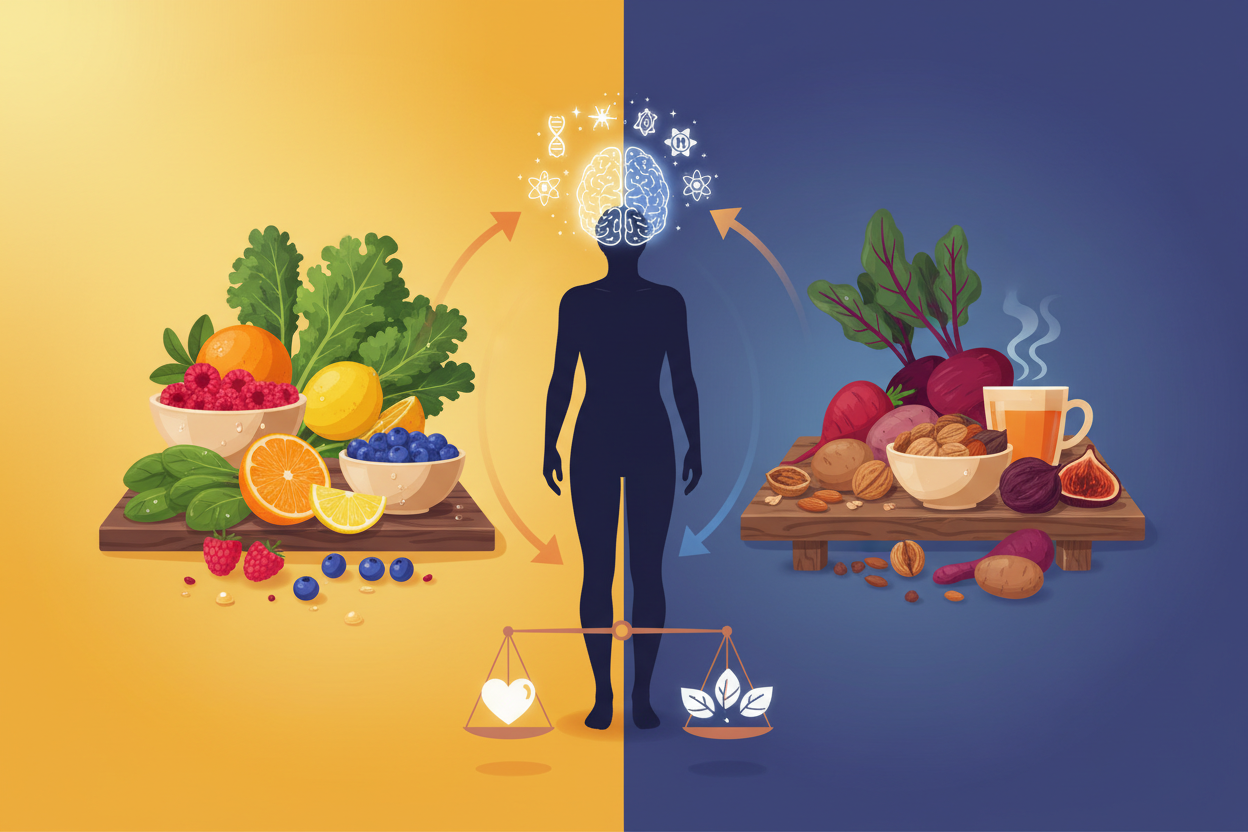
During longer days, our bodies naturally produce less melatonin and more serotonin, leading to increased energy and mood elevation. Conversely, shorter winter days trigger higher melatonin production, encouraging rest and conservation of energy. Understanding these patterns helps us work with our biology rather than against it.
The foods available during each season contain specific nutrients that support these hormonal shifts. Spring greens help with liver detoxification after winter’s heavier foods, while autumn’s nuts and seeds provide the healthy fats needed for hormone production during the colder months.
Spring: Detox and Renewal
Spring represents a time of awakening and cleansing. After months of heavier winter foods and reduced activity, our bodies naturally crave lighter, cleansing foods. This season is perfect for supporting liver function and lymphatic drainage, which are crucial for hormonal balance.
The bitter greens that emerge in spring – dandelion, arugula, and watercress – contain compounds that stimulate bile production and support liver detoxification. Your liver is responsible for metabolizing hormones, so supporting its function is essential for maintaining hormonal equilibrium.
Spring is also when our thyroid function begins to increase, preparing us for the more active months ahead. Foods rich in iodine, selenium, and tyrosine – like seaweed, Brazil nuts, and early spring vegetables – provide the building blocks your thyroid needs to function optimally.
Consider incorporating more raw foods during this season. Fresh sprouts, early lettuce varieties, and herbs like parsley and cilantro provide enzymes and chlorophyll that support the body’s natural detoxification processes. However, if you have digestive sensitivities, lightly steaming these foods can make them more digestible while preserving their nutritional benefits.
Summer: Energy and Vitality
Summer’s long days and abundant sunshine naturally boost our energy levels and mood. This is when serotonin production peaks, and our metabolism runs at its highest. The season’s cooling foods help us manage this increased internal heat while providing the nutrients needed to sustain high energy levels.
Water-rich fruits and vegetables like cucumbers, melons, tomatoes, and berries help maintain hydration while providing antioxidants that protect against oxidative stress from increased sun exposure. These foods also support healthy cortisol rhythms, which can become disrupted by too much heat and activity.
Summer is an excellent time to focus on foods that support healthy estrogen metabolism. Cruciferous vegetables like broccoli, cauliflower, and cabbage contain compounds that help the body process estrogen efficiently. The abundance of colorful fruits and vegetables also provides the antioxidants needed to protect reproductive hormones from damage.
The natural tendency to eat lighter meals during summer aligns perfectly with supporting optimal digestion and nutrient absorption. This is crucial for hormonal health, as many hormones are produced in the gut or require proper digestion for their precursors to be absorbed.
Fall: Preparation and Grounding
As daylight decreases and temperatures drop, our bodies begin preparing for the introspective months ahead. Fall eating should focus on grounding, warming foods that provide the nutrients needed for healthy hormone production during winter’s dormant period.
This is the season to embrace healthy fats from nuts, seeds, and avocados. These foods provide the cholesterol and essential fatty acids that serve as building blocks for steroid hormones like cortisol, testosterone, and estrogen. The omega-3 fatty acids found in walnuts and flaxseeds are particularly important for reducing inflammation and supporting mood stability as serotonin levels naturally decline.
Root vegetables and winter squashes provide complex carbohydrates that support steady blood sugar levels – crucial for maintaining stable insulin and cortisol patterns. These foods also contain B vitamins and minerals that support adrenal function during the stress of seasonal transition.
Fall is also an ideal time to incorporate warming spices like cinnamon, ginger, and turmeric. These spices not only provide comfort and warmth but also contain compounds that support healthy inflammation responses and blood sugar regulation.
Winter: Rest and Restoration
Winter’s shorter days and colder temperatures signal our bodies to conserve energy and focus on restoration. This is when melatonin production increases, and our metabolism naturally slows down. Rather than fighting this natural rhythm, we can support it with warming, nourishing foods.
Hearty stews, bone broths, and slow-cooked meals provide the deep nourishment our bodies crave during this season. Bone broth, in particular, provides collagen, minerals, and amino acids that support gut health – essential for hormone production and regulation.
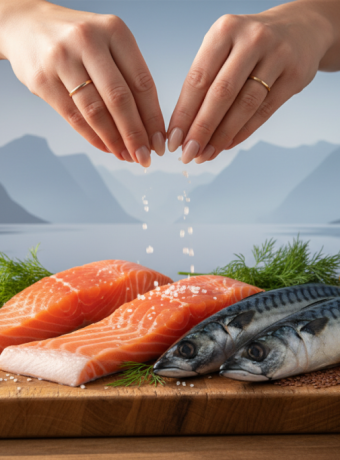
Winter is also when our bodies may need additional support for mood and energy. Foods rich in vitamin D, like fatty fish and egg yolks, become particularly important when sun exposure is limited. The B vitamins found in winter vegetables and stored grains help support energy production and nervous system function.
Don’t forget about the importance of warming teas and herbal infusions during winter. Adaptogenic herbs like ashwagandha and rhodiola can help support healthy cortisol patterns, while warming herbs like ginger and cinnamon support circulation and digestion.
Key Nutrients for Hormonal Balance by Season
Each season provides specific nutrients that support optimal hormonal function. Understanding these patterns can help you make more informed food choices throughout the year.
Spring nutrients focus on supporting detoxification and renewal. Sulfur compounds in cruciferous vegetables support liver function, while the chlorophyll in leafy greens helps with cellular cleansing. Vitamin C from early berries and vegetables supports adrenal function as we transition from winter’s rest to spring’s activity.
Summer’s nutrient profile emphasizes hydration and protection. Lycopene from tomatoes, anthocyanins from berries, and beta-carotene from orange vegetables provide antioxidant protection. Magnesium from leafy greens helps with muscle function and stress response during the active summer months.
Fall nutrition centers on building reserves for winter. Healthy fats provide hormone precursors, while complex carbohydrates support steady energy. Zinc from pumpkin seeds supports immune function and reproductive health, while vitamin E from nuts protects cell membranes.
Winter nutrients focus on warmth and sustenance. Iron from darker leafy greens and legumes supports energy production, while vitamin D becomes crucial for mood and immune function. The amino acids in hearty proteins support neurotransmitter production during the darker months.
Practical Tips for Implementing Seasonal Eating
Starting a seasonal eating practice doesn’t have to be overwhelming. Begin by making small changes that align with the current season and your body’s natural rhythms.
Visit local farmers’ markets to discover what’s naturally growing in your area. This is the easiest way to ensure you’re eating seasonally, and the foods will be at their peak nutritional value. Many markets also offer information about how to prepare unfamiliar seasonal vegetables.
Pay attention to your body’s natural cravings throughout the year. You might notice that you naturally desire lighter foods in summer and heartier meals in winter. These cravings often reflect your body’s wisdom about what it needs for optimal function.
Plan your meals around seasonal ingredients, but don’t stress about perfection. Even incorporating 60-70% seasonal foods can provide significant benefits for hormonal balance. Frozen vegetables from their peak season can be a great option when fresh seasonal produce isn’t available.
Consider preserving seasonal foods when they’re abundant. Fermenting summer vegetables, freezing berries at their peak, or making herb-infused oils can help you maintain some seasonal variety throughout the year while supporting beneficial bacteria in your gut.
Common Mistakes to Avoid
One of the biggest mistakes people make when starting seasonal eating is being too restrictive. You don’t need to eliminate all non-seasonal foods immediately. Instead, focus on adding more seasonal options while gradually reducing out-of-season choices.
Another common error is ignoring your individual needs and constitution. While seasonal eating provides excellent general guidelines, you may need to modify recommendations based on your health conditions, activity level, and personal preferences. Someone with thyroid issues might need to cook cruciferous vegetables even in spring, while someone with digestive problems might need to introduce raw foods more gradually.
Don’t forget about the importance of food quality alongside seasonality. A conventionally grown seasonal vegetable may not be as beneficial as an organic frozen one from peak season. Focus on the highest quality foods available within your budget.
Avoid the trap of seasonal perfectionism. Life happens, and sometimes you’ll eat strawberries in December or soup in July. The goal is to align with natural rhythms most of the time, not to create additional stress around food choices.
Frequently Asked Questions
How quickly will I notice changes in my hormonal balance from seasonal eating?
Most people begin noticing subtle changes within 2-4 weeks of consistent seasonal eating. Energy levels and sleep quality often improve first, followed by more stable moods and reduced cravings. Significant hormonal changes typically take 2-3 months to fully manifest.
Can seasonal eating help with specific hormonal conditions like PCOS or thyroid issues?
While seasonal eating can be a supportive component of managing hormonal conditions, it shouldn’t replace medical treatment. The anti-inflammatory and nutrient-dense nature of seasonal foods can complement conventional treatment, but always work with your healthcare provider for serious hormonal imbalances.
What if I live in a climate without distinct seasons?
Even in tropical or desert climates, you can practice seasonal eating by paying attention to local growing patterns and subtle environmental changes. Focus on foods that provide cooling energy during hotter periods and more grounding foods during cooler or rainier times.
Is seasonal eating compatible with special diets like vegetarian or keto?
Absolutely! Seasonal eating is a framework that can be adapted to any dietary approach. Vegetarians can focus on seasonal plant foods, while those following keto can emphasize seasonal vegetables and adjust their fat sources based on what’s available.
How do I handle food cravings that don’t align with the season?
Cravings often indicate nutritional needs rather than specific food desires. If you’re craving summer foods in winter, consider what nutrients those foods provide and find seasonal alternatives. Sometimes cravings also reflect emotional needs that can be addressed through other seasonal practices like light therapy or movement.
Embracing seasonal eating for hormonal balance is ultimately about reconnecting with natural rhythms that have supported human health for millennia. By aligning our food choices with the seasons, we can support our body’s innate wisdom and create a more harmonious relationship with both our environment and our health. Start small, listen to your body, and allow the seasons to guide you toward optimal hormonal balance and vibrant health.