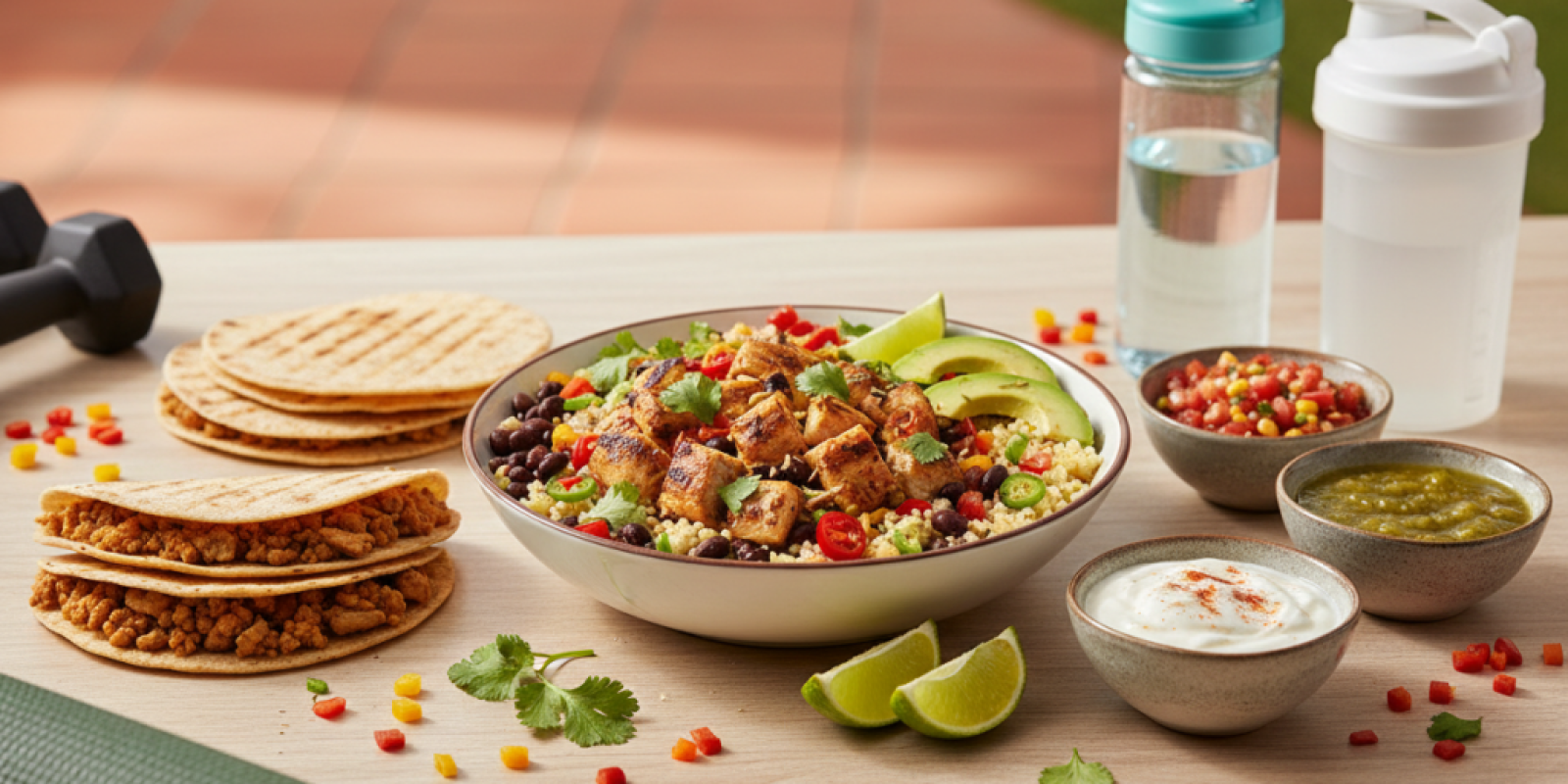
Mexican Street Food Made Healthy: Quick Recipes for Fitness Enthusiasts
Table of Contents
1. Introduction: The Perfect Marriage of Flavor and Fitness
2. Why Mexican Street Food is Perfect for Fitness Goals
3. Essential Healthy Swaps for Traditional Ingredients
4. Quick Healthy Mexican Street Food Recipes
5. Meal Prep Tips for Busy Fitness Enthusiasts
6. Nutritional Benefits of Healthy Mexican Street Food
7. Common Mistakes to Avoid
8. Conclusion: Your Journey to Healthy Mexican Flavors
9. Frequently Asked Questions
Introduction: The Perfect Marriage of Flavor and Fitness
Picture this: you’ve just crushed an intense workout, your muscles are screaming for nutrients, and your taste buds are craving something more exciting than plain chicken and rice. What if I told you that you could satisfy both your fitness goals and your craving for bold, vibrant flavors with healthy Mexican street food?
As someone who’s spent years balancing a love for authentic Mexican cuisine with maintaining peak physical condition, I’ve discovered that you don’t have to choose between taste and health. Mexican street food, with its fresh ingredients, bold spices, and satisfying combinations, can be transformed into nutritional powerhouses that fuel your workouts and support your fitness journey.
The beauty of Mexican street food lies in its simplicity and versatility. From protein-packed tacos to nutrient-dense elotes, these dishes can be easily modified to align with your macronutrient goals while keeping every bite bursting with flavor. Today, we’re diving deep into the world of healthy Mexican street food that’s specifically designed for fitness enthusiasts who refuse to compromise on taste.
Why Mexican Street Food is Perfect for Fitness Goals
Mexican cuisine naturally incorporates many elements that fitness enthusiasts seek in their nutrition plans. The traditional use of lean proteins like fish, chicken, and beans provides the building blocks your muscles need for recovery and growth. Fresh vegetables, herbs, and spices not only add incredible flavor but also deliver essential micronutrients and antioxidants that support overall health and performance.
The portion-controlled nature of street food makes it ideal for those tracking their intake. Tacos, for instance, are perfectly portioned packages that allow you to control your macronutrients while satisfying your hunger. The combination of protein, healthy fats from avocados, and complex carbohydrates from beans and vegetables creates balanced meals that keep you energized throughout your training sessions.
What’s particularly appealing about Mexican street food is its emphasis on fresh, whole ingredients. Traditional recipes rely heavily on cilantro, lime, onions, tomatoes, and peppers – all nutrient-dense foods that support inflammation reduction and recovery. The natural heat from chili peppers can even boost your metabolism, making these dishes work double duty for your fitness goals.
Essential Healthy Swaps for Traditional Ingredients
Transforming traditional Mexican street food into fitness-friendly meals doesn’t mean sacrificing authenticity – it’s about making smart substitutions that enhance nutritional value while maintaining those bold, familiar flavors we all crave.
Start with your tortillas. Instead of refined flour tortillas, opt for corn tortillas, which are naturally gluten-free and contain more fiber. Even better, try jicama slices, lettuce wraps, or cauliflower tortillas for a low-carb alternative that still holds all your delicious fillings. I’ve found that grilled portobello mushroom caps make excellent taco shells and add an extra serving of vegetables to your meal.
When it comes to proteins, choose lean cuts and preparation methods that don’t rely on excess oil. Grilled chicken thighs (which stay more moist than breasts), fish like mahi-mahi or tilapia, and plant-based options like black beans or lentils provide substantial protein without unnecessary calories. Marinating these proteins in lime juice, cumin, and chili powder creates incredible flavor without added fats.
For dairy components, Greek yogurt makes an excellent substitute for sour cream, providing probiotics and additional protein. If you’re using cheese, stick to small amounts of sharp varieties like queso fresco or a sprinkle of cotija, which deliver maximum flavor impact with minimal quantities.
Quick Healthy Mexican Street Food Recipes
Let’s get into the kitchen and create some magic. These recipes are designed to be prepared quickly, making them perfect for busy fitness enthusiasts who need nutritious meals without spending hours cooking.
Protein-Packed Fish Tacos
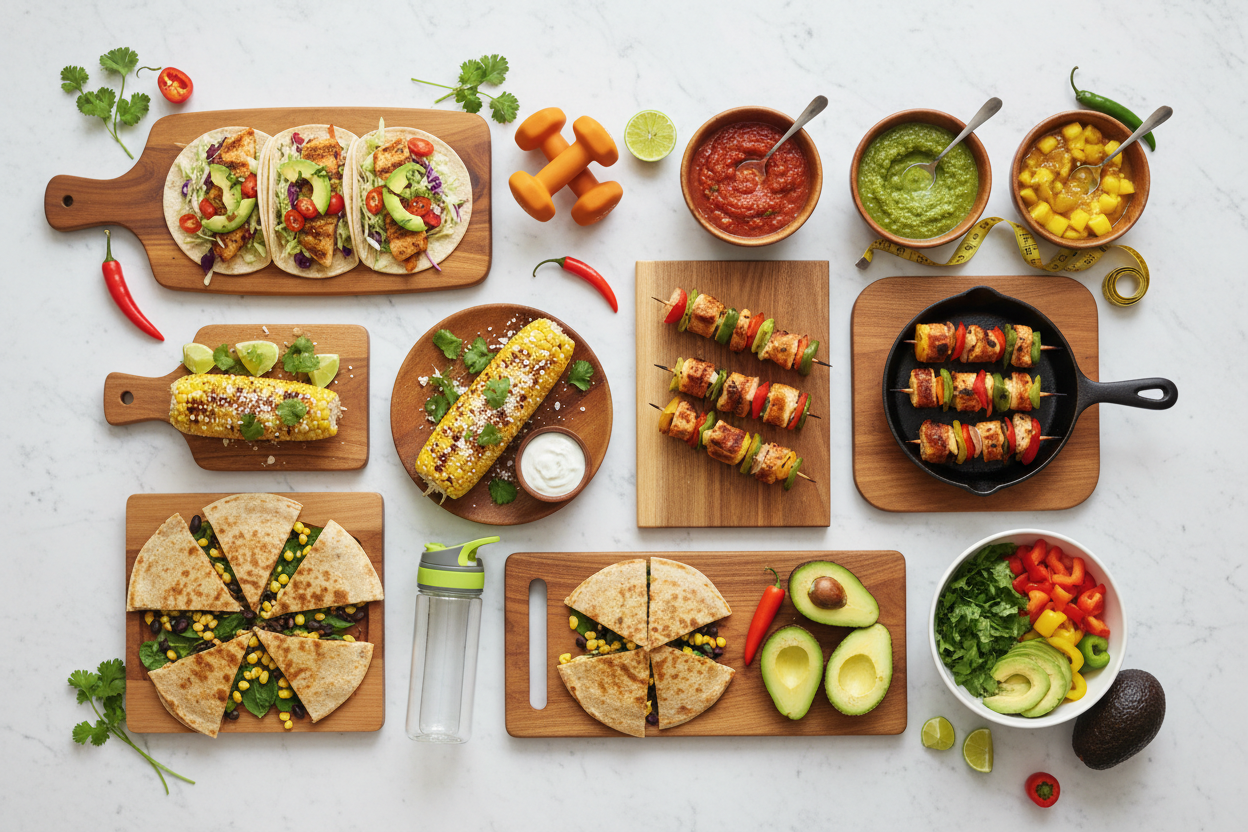
These tacos deliver approximately 25 grams of protein per serving and can be prepared in under 15 minutes. Season white fish fillets with cumin, chili powder, and lime juice, then grill for 3-4 minutes per side. Serve in corn tortillas with a slaw made from shredded cabbage, cilantro, and a dressing of Greek yogurt mixed with lime juice and hot sauce. Top with diced avocado and a sprinkle of pumpkin seeds for healthy fats and extra crunch.
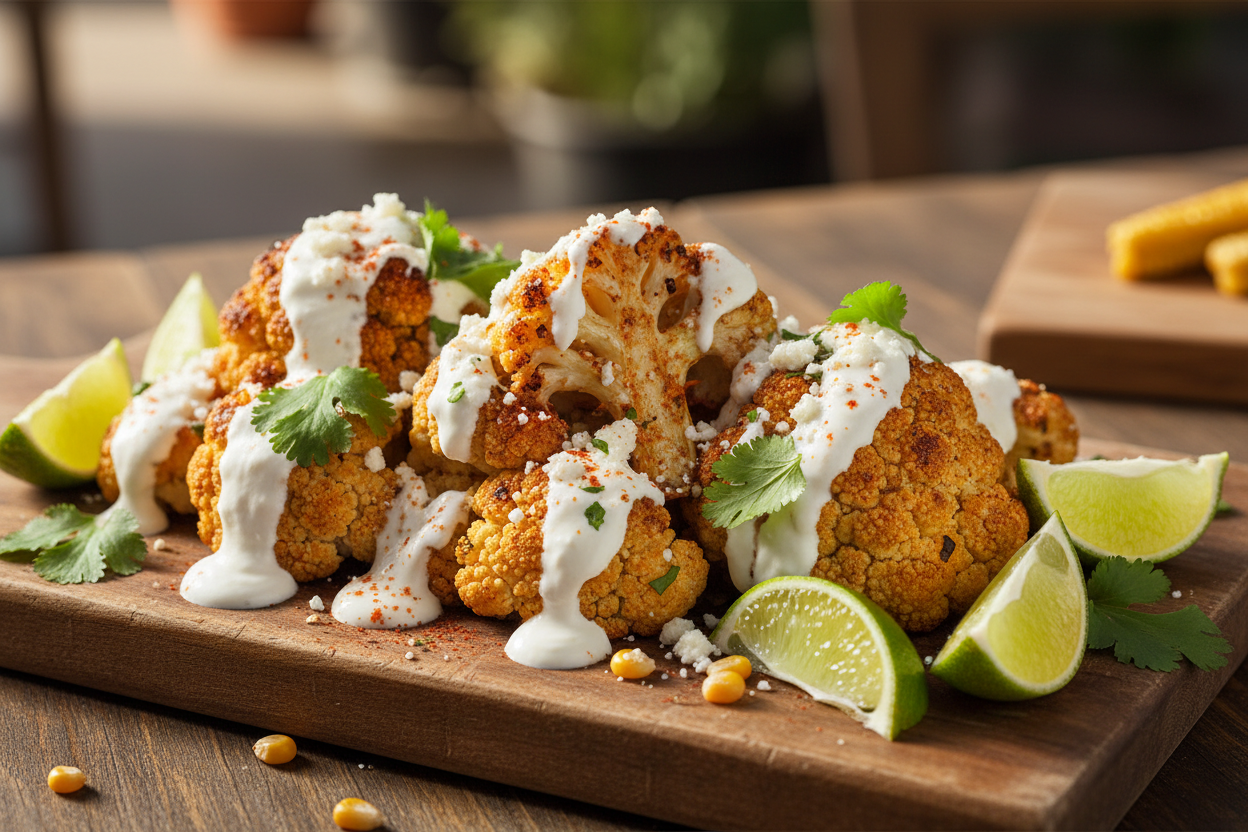
Cauliflower Street Corn (Elotes)
This lighter version of the classic street corn maintains all the flavors while significantly reducing calories and increasing fiber. Roast cauliflower florets until golden, then toss with a mixture of Greek yogurt, lime juice, chili powder, and a small amount of cotija cheese. Garnish with fresh cilantro and serve with lime wedges. This side dish pairs perfectly with any protein and adds substantial volume to your meal without excess calories.
Black Bean and Sweet Potato Quesadillas
These quesadillas provide complex carbohydrates and plant-based protein, making them ideal for post-workout recovery. Roast cubed sweet potatoes until tender, then mash lightly with black beans, cumin, and lime juice. Spread this mixture on corn tortillas with a small amount of cheese, fold, and cook in a dry pan until crispy. Serve with salsa verde and Greek yogurt for dipping.
Chicken Tinga Lettuce Wraps
This low-carb option delivers maximum protein with minimal prep time. Slow-cook or pressure-cook chicken thighs with diced tomatoes, chipotle peppers in adobo sauce, and onions until the chicken shreds easily. Serve the mixture in butter lettuce cups with diced onions, cilantro, and a squeeze of lime. Each wrap contains about 15 grams of protein and virtually no carbohydrates.
Meal Prep Tips for Busy Fitness Enthusiasts
The key to maintaining healthy eating habits while pursuing fitness goals is preparation. Mexican street food components are particularly well-suited to meal prep because many elements can be prepared in advance and assembled quickly when needed.
Dedicate one day per week to preparing proteins in bulk. Grill several pounds of chicken, fish, or prepare large batches of seasoned black beans. These proteins can be portioned and refrigerated for up to four days or frozen for longer storage. Having pre-cooked proteins ready makes assembling healthy Mexican meals a matter of minutes rather than hours.
Prepare your salsas and sauces in advance. Fresh pico de gallo, salsa verde, and chipotle yogurt sauce can be made in large batches and stored in the refrigerator. These condiments are what transform simple proteins and vegetables into exciting, flavorful meals. I like to make three different salsas each week to keep my meals varied and interesting.
Invest in quality food storage containers that allow you to portion out complete meals or individual components. Mason jars work excellently for layered salads or storing salsas, while glass containers with tight-fitting lids keep prepared proteins fresh and make reheating simple.
Nutritional Benefits of Healthy Mexican Street Food
The nutritional profile of well-prepared Mexican street food aligns beautifully with fitness goals. The emphasis on lean proteins supports muscle synthesis and recovery, while the abundance of vegetables provides essential vitamins, minerals, and antioxidants that support overall health and performance.
Capsaicin, found in chili peppers commonly used in Mexican cuisine, has been shown to boost metabolism and may help with fat oxidation. The anti-inflammatory properties of ingredients like cilantro, lime, and tomatoes can aid in post-workout recovery and reduce exercise-induced inflammation.
The fiber content from beans, vegetables, and whole grain components helps maintain stable blood sugar levels, providing sustained energy for workouts while promoting satiety. This combination helps prevent the energy crashes that can derail training sessions and makes it easier to maintain a consistent eating schedule.
Many traditional Mexican ingredients are also rich in electrolytes. Lime juice provides potassium, while the natural sodium in properly seasoned foods helps replace what’s lost during intense training sessions. This natural electrolyte balance is often superior to artificial sports drinks and comes packaged with additional nutrients.
Common Mistakes to Avoid
Even with the best intentions, it’s easy to sabotage your healthy Mexican street food efforts with a few common mistakes. Being aware of these pitfalls can help you stay on track with your fitness goals while still enjoying incredible flavors.
One of the biggest mistakes is going overboard with high-calorie toppings. While avocado is healthy, it’s also calorie-dense, and it’s easy to use too much. Measure your portions, especially for nuts, seeds, cheese, and avocado. A little goes a long way in terms of both flavor and nutrition.
Another common error is neglecting to balance macronutrients. Just because a taco contains vegetables doesn’t mean it’s automatically balanced. Ensure each meal contains adequate protein, healthy fats, and appropriate carbohydrates for your goals. This might mean adding extra protein to a bean-heavy dish or including more vegetables in a meat-focused meal.
Don’t fall into the trap of making everything low-fat. Healthy fats are essential for hormone production, nutrient absorption, and satiety. Include sources like avocado, nuts, seeds, or a small amount of olive oil in your meals. These fats will help you feel satisfied and support your body’s recovery processes.
Conclusion: Your Journey to Healthy Mexican Flavors
Embracing healthy Mexican street food doesn’t mean giving up the bold, satisfying flavors you love – it means enhancing them with ingredients that support your fitness goals. The recipes and strategies we’ve explored today prove that you can fuel your body properly while satisfying your cravings for exciting, flavorful food.
The beauty of this approach lies in its sustainability. When healthy eating feels like a restriction, it’s difficult to maintain long-term. But when you’re genuinely excited about your meals, when you look forward to the flavors and textures on your plate, healthy eating becomes a joy rather than a chore.
Start small by incorporating one or two of these recipes into your weekly routine. Experiment with different protein sources, try new vegetable combinations, and don’t be afraid to adjust spice levels to match your preferences. Remember, the best nutrition plan is one you can stick with consistently.
Your fitness journey should be supported by foods that nourish both your body and your soul. Mexican street food, when prepared thoughtfully, delivers on both fronts. So fire up that grill, stock up on fresh cilantro and lime, and get ready to transform your approach to healthy eating one delicious bite at a time.
Frequently Asked Questions
Q: Can I meal prep these Mexican street food recipes for the entire week?
A: Absolutely! Most components can be prepared in advance and stored for 3-4 days. Cook proteins in bulk, prepare salsas and sauces, and pre-cut vegetables. Assemble meals fresh when possible to maintain the best texture and flavor.
Q: Are these recipes suitable for different dietary restrictions?
A: Yes, these recipes are highly adaptable. They can easily be made gluten-free by using corn tortillas or lettuce wraps, dairy-free by omitting cheese and using coconut yogurt, and vegan by focusing on bean and vegetable-based proteins.
Q: How do I calculate the nutritional content for my specific fitness goals?
A: Use a nutrition tracking app to input your specific ingredients and portions. This allows you to adjust quantities to meet your individual macro and calorie targets while maintaining the authentic flavors of these dishes.
Q: What’s the best way to add more protein to these meals?
A: Add Greek yogurt as a topping, include hemp seeds or pumpkin seeds for crunch, use protein-rich beans like black beans or lentils, or simply increase your portion of lean meats or fish.
Q: Can I make these recipes spicier without adding calories?
A: Definitely! Use fresh jalapeños, serrano peppers, or add hot sauce, cayenne pepper, or chipotle powder. These add heat and flavor without significant calories, and the capsaicin may even boost your metabolism.