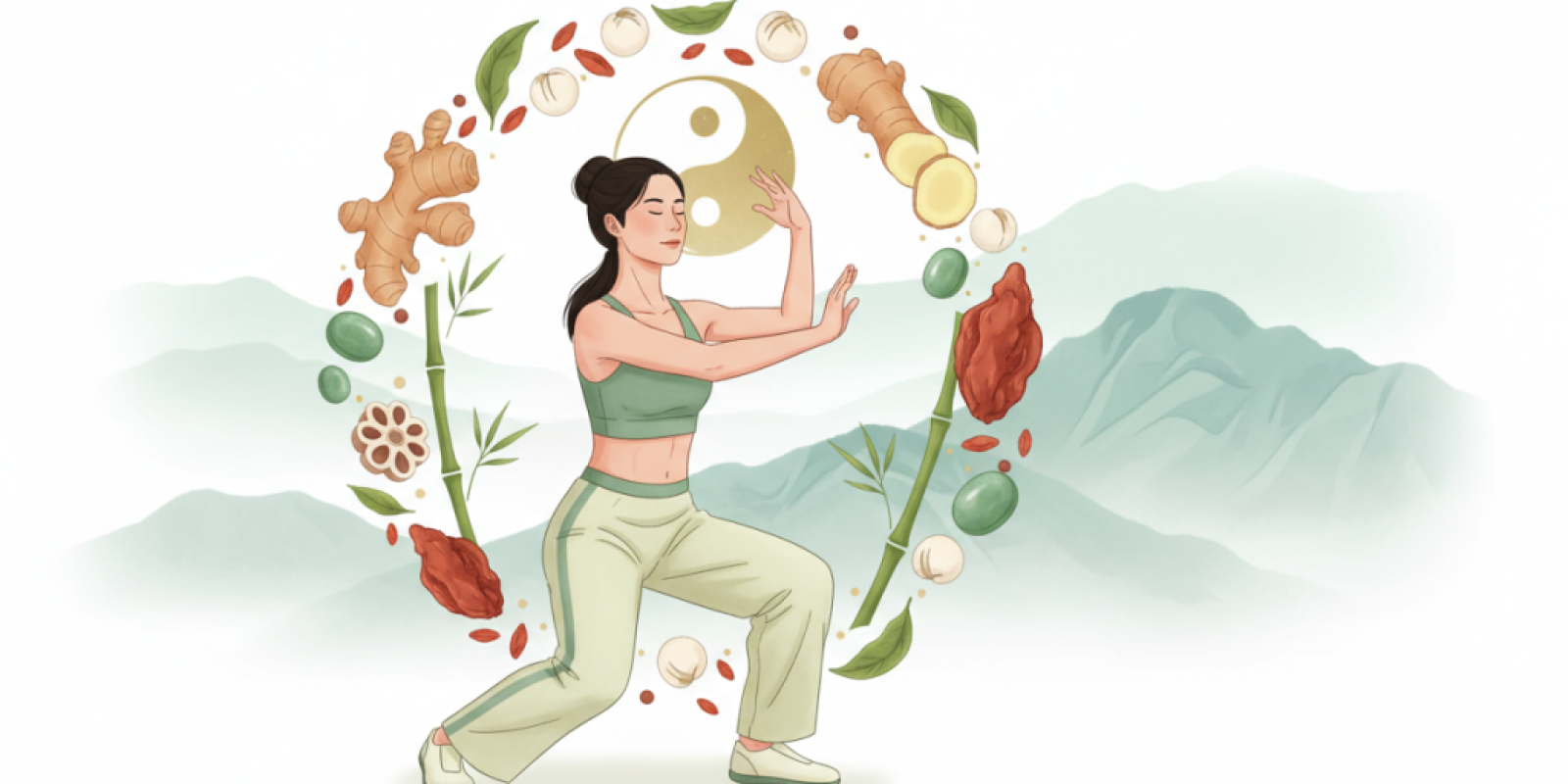
Chinese Medicine Approach to Women’s Fitness and Seasonal Foods: Ancient Wisdom for Modern Wellness
Table of Contents
1. Introduction to Traditional Chinese Medicine for Women’s Health
2. Understanding Qi and Female Energy Cycles
3. The Five Elements and Women’s Fitness
4. Spring: Renewal and Liver Health
5. Summer: Heart Fire and Active Energy
6. Late Summer: Earth Element and Digestive Balance
7. Autumn: Metal Element and Lung Nourishment
8. Winter: Kidney Essence and Restorative Practices
9. Integrating TCM Principles into Your Modern Fitness Routine
10. Practical Tips for Year-Round Wellness
11. Frequently Asked Questions
Introduction to Traditional Chinese Medicine for Women’s Health
Have you ever noticed how your energy levels fluctuate with the seasons? Or wondered why certain foods make you feel more vibrant during specific times of the year? Traditional Chinese Medicine (TCM) has been addressing these natural rhythms for over 3,000 years, offering a sophisticated understanding of how women’s bodies respond to seasonal changes.

Unlike Western approaches that often treat symptoms in isolation, TCM views the body as an interconnected system that mirrors nature’s cycles. This holistic perspective is particularly relevant for women, whose bodies naturally ebb and flow with hormonal changes, menstrual cycles, and life transitions. By aligning our fitness routines and dietary choices with seasonal energies, we can optimize our health and feel more balanced throughout the year.
The beauty of Chinese medicine lies in its recognition that what works for your body in summer might not serve you well in winter. This isn’t about following rigid rules, but rather developing an intuitive relationship with your body’s needs as they change with the seasons and stages of life.

Understanding Qi and Female Energy Cycles
At the heart of TCM philosophy is the concept of Qi (pronounced “chee”), often described as life force energy. For women, understanding Qi is crucial because our energy naturally fluctuates more dramatically than men’s due to menstrual cycles, pregnancy, and menopause.
Think of Qi as your body’s internal battery. Sometimes it needs gentle charging through restorative practices, while other times it benefits from dynamic movement that circulates energy. TCM recognizes that women’s Qi moves in cycles, much like the moon phases or seasonal transitions.
During the first half of your menstrual cycle, for instance, your Qi naturally builds and expands, making it an ideal time for more vigorous exercise and yang-building foods. In the second half, as progesterone rises, your body craves more yin activities like gentle yoga, meditation, and nourishing, warming foods.
This cyclical understanding extends beyond monthly rhythms to encompass the larger seasonal patterns that affect all of us, regardless of where we are in our reproductive journey.
The Five Elements and Women’s Fitness
TCM organizes natural phenomena into five elements: Wood, Fire, Earth, Metal, and Water. Each element corresponds to specific organs, emotions, seasons, and types of movement that support optimal health.
For women’s fitness, this framework provides a roadmap for varying exercise intensity and style throughout the year. Rather than forcing yourself to maintain the same workout routine year-round, the five elements suggest adapting your movement practice to support your body’s changing needs.
Wood energy, associated with spring, calls for flexibility and growth-oriented exercises like stretching and dance. Fire energy in summer supports high-intensity cardio and activities that build cardiovascular health. Earth energy during late summer favors grounding exercises like walking and balance work. Metal energy in autumn benefits from breathing exercises and activities that strengthen the lungs. Water energy in winter supports gentle, flowing movements and practices that conserve energy.
This approach doesn’t mean you can’t do strength training in winter or yoga in summer, but rather that emphasizing certain types of movement during their corresponding seasons can enhance your overall well-being.
Spring: Renewal and Liver Health
Spring represents the Wood element in TCM, governing the liver and gallbladder systems. This season is all about renewal, growth, and the smooth flow of Qi throughout the body. For women, spring is an excellent time to focus on detoxification and flexibility.
Your fitness routine during spring should emphasize movement that promotes circulation and helps release any stagnation that may have built up during winter’s more sedentary months. Think dynamic stretching, yoga flows, dancing, and activities that get you moving in multiple directions. This is also an ideal time to gradually increase exercise intensity after winter’s restorative period.
Spring foods in TCM are characterized by their ability to support liver function and promote gentle detoxification. Incorporate plenty of leafy greens like spinach, kale, and dandelion greens. Sprouts and microgreens are particularly powerful during this season, as they embody the concentrated energy of new growth.
Sour flavors support the liver, so include foods like lemon, lime, and fermented vegetables. Green tea becomes especially beneficial, providing antioxidants while supporting the body’s natural cleansing processes. Avoid heavy, rich foods that can burden the liver, and instead focus on light, fresh preparations that honor the season’s ascending energy.
Summer: Heart Fire and Active Energy
Summer embodies the Fire element, governing the heart and small intestine. This is the season of maximum yang energy, when nature is at its most active and abundant. For women, summer represents a time of outward expression and cardiovascular vitality.
Your summer fitness routine can embrace higher intensity activities that would feel overwhelming during other seasons. This is the time for running, swimming, cycling, high-intensity interval training, and any activities that make you sweat. The heart loves to be challenged during summer, and your body’s natural cooling mechanisms are at their peak efficiency.
However, it’s crucial to exercise during cooler parts of the day and stay well-hydrated. Early morning or evening workouts align better with your body’s natural rhythms and prevent overheating.
Summer foods should cool and hydrate the body while supporting heart health. Embrace cooling foods like cucumber, watermelon, tomatoes, and leafy salads. Bitter flavors support the heart, so include bitter greens like arugula and radicchio. Fresh herbs like mint and cilantro provide cooling properties while adding vibrant flavors to your meals.
Avoid excessive hot, spicy foods that can create too much internal heat. Instead, focus on raw or lightly cooked foods that don’t require much digestive fire. Cold soups, smoothies, and fresh fruit become perfect choices for maintaining energy without overwhelming your system.
Late Summer: Earth Element and Digestive Balance
Late summer, often overlooked in Western seasonal thinking, represents the Earth element in TCM. This brief transition period between summer’s peak and autumn’s decline governs the spleen and stomach, making it crucial for digestive health and overall stability.
During late summer, your fitness routine should emphasize grounding and centering activities. This is an excellent time for hiking, walking meditation, Pilates, and exercises that strengthen your core. The focus shifts from summer’s intense cardiovascular work to building stability and endurance.
Balance becomes key during this season, both physically and energetically. Activities that challenge your proprioception, like balance boards or single-leg exercises, align perfectly with Earth element energy.
Late summer foods should nourish and strengthen the digestive system while providing steady, sustained energy. Root vegetables like sweet potatoes, carrots, and beets become particularly beneficial. Whole grains like brown rice, quinoa, and millet support the spleen’s function of transforming food into usable energy.
Sweet flavors naturally support the Earth element, but this means naturally sweet foods like dates, figs, and winter squash rather than processed sugars. Warm, cooked foods become more appropriate as the body begins preparing for autumn’s transition. Soups and stews start to feel more appealing as your body craves the comfort and nourishment they provide.
Autumn: Metal Element and Lung Nourishment
Autumn represents the Metal element, governing the lungs and large intestine. This season is about letting go, both literally and metaphorically, as nature sheds what’s no longer needed and prepares for winter’s introspection.
Your autumn fitness routine should emphasize breathing and activities that strengthen the respiratory system. This is an ideal time to focus on pranayama (breathing exercises), swimming, and moderate cardio that challenges your lung capacity without depleting your energy reserves.
As the weather cools, outdoor activities like hiking and cycling can be particularly rejuvenating. The crisp air naturally supports lung function, making autumn perfect for activities that combine movement with deep breathing.
Autumn foods should moisten and nourish the lungs while supporting the body’s preparation for winter. Pears, apples, and other tree fruits are particularly beneficial, as their natural moisture helps combat autumn’s drying energy. White foods like cauliflower, white beans, and daikon radish support lung health according to TCM color theory.
Pungent flavors in moderation help disperse lung energy, so include small amounts of ginger, garlic, and onions. However, avoid excessive spicy foods that can scatter energy too much. Warming cooking methods like roasting and braising become more appropriate as the body begins craving warmth and comfort.
Winter: Kidney Essence and Restorative Practices
Winter embodies the Water element, governing the kidneys and bladder. In TCM, the kidneys store our essential energy (jing), making winter a crucial time for rest, restoration, and building deep reserves of vitality.
Your winter fitness routine should emphasize gentle, restorative activities that build internal strength without depleting energy reserves. This is the season for yin yoga, tai chi, qigong, and moderate strength training. The focus shifts from cardiovascular intensity to building deep, sustainable strength.
Indoor activities become more appealing as the body naturally wants to conserve energy and stay warm. This doesn’t mean becoming sedentary, but rather choosing activities that nourish rather than drain your energy stores.
Winter foods should warm and nourish the kidneys while building essential energy for the coming year. Dark, rich foods like black beans, black sesame seeds, and seaweed provide the deep nutrition associated with Water element energy. Warming spices like cinnamon, cloves, and star anise help maintain internal heat.
Slow-cooked stews, bone broths, and warming soups become perfect winter foods, providing both physical warmth and deep nourishment. Nuts and seeds offer concentrated nutrition that supports kidney function, while root vegetables provide grounding energy that helps you feel stable during winter’s more introspective energy.
Integrating TCM Principles into Your Modern Fitness Routine
Adopting a TCM approach to fitness doesn’t mean abandoning your gym membership or completely overhauling your routine overnight. Instead, it’s about developing sensitivity to your body’s changing needs and making subtle adjustments that honor natural rhythms.
Start by paying attention to how different types of exercise feel during different seasons. You might notice that the spinning class you love in summer feels depleting in winter, or that gentle yoga feels insufficient during spring’s energetic surge. These observations are valuable data about your body’s seasonal preferences.
Consider creating a flexible fitness framework that allows for seasonal variation while maintaining consistency. For example, you might maintain strength training year-round but vary the intensity and focus. Summer might emphasize higher repetitions and cardiovascular combinations, while winter focuses on heavier weights and shorter sessions.
The key is developing what TCM calls “body wisdom” – an intuitive understanding of what your body needs in each moment. This might mean switching from a planned run to gentle yoga when you’re feeling depleted, or adding extra cardio when your energy feels stagnant.
Practical Tips for Year-Round Wellness
Implementing TCM principles doesn’t require perfection or rigid adherence to ancient practices. Here are practical ways to incorporate seasonal awareness into your modern lifestyle:
Start each season by reassessing your fitness routine and meal planning. What served you well last season might not be appropriate for the coming months. This quarterly check-in helps you stay aligned with natural rhythms.
Pay attention to your energy levels at different times of day and adjust your workout schedule accordingly. Summer might call for early morning exercise, while winter workouts might feel better in the afternoon when your energy naturally peaks.
Create seasonal meal prep strategies that emphasize appropriate foods for each time of year. This doesn’t mean completely changing your diet every three months, but rather shifting the emphasis toward seasonally supportive foods.
Listen to your menstrual cycle if you’re still cycling, and adjust exercise intensity accordingly. The first half of your cycle might support more vigorous activity, while the second half benefits from gentler movement.
Develop a collection of “seasonal recipes” that you can rotate throughout the year, ensuring you’re always eating in harmony with the current energy.
Frequently Asked Questions
Q: Do I need to completely change my diet with each season?
A: Not at all. TCM seasonal eating is about shifting emphasis rather than complete dietary overhauls. You might eat salads year-round but emphasize warming preparations in winter and cooling ones in summer. The goal is making gradual adjustments that support your body’s seasonal needs.
Q: Can I still do my favorite exercises year-round?
A: Absolutely. The TCM approach is about adding seasonal awareness to your existing routine, not eliminating activities you enjoy. You might modify intensity, duration, or frequency based on seasonal energy, but you don’t need to give up exercises that bring you joy.
Q: How do I know if I’m following TCM principles correctly?
A: The best indicator is how you feel. When you’re aligned with seasonal energies, you should experience steady energy levels, good digestion, restful sleep, and an overall sense of vitality. If you’re feeling depleted or out of balance, it might be time to adjust your approach.
Q: What if I live in a climate without distinct seasons?
A: TCM seasonal principles can still apply even in consistent climates. You can follow the energetic seasons based on calendar dates and solar cycles, or tune into subtle environmental changes like daylight hours and atmospheric pressure that occur regardless of temperature variations.
Q: Is this approach suitable for women of all ages?
A: Yes, though the application might vary. Younger women might emphasize cycle syncing, while perimenopausal and postmenopausal women might focus more on seasonal rhythms. Pregnant women should consult with qualified practitioners before making significant changes to diet or exercise routines.
Q: How long does it take to see benefits from this approach?
A: Many women notice improved energy and digestion within a few weeks of aligning their habits with seasonal principles. However, the deeper benefits of building constitutional strength and resilience develop over months and years of consistent practice.
The Chinese Medicine approach to women’s fitness and seasonal foods offers a time-tested framework for optimizing health through natural rhythms. By honoring the wisdom of seasonal cycles and adapting our movement and nutrition accordingly, we can develop a more intuitive, sustainable relationship with our bodies that supports lifelong wellness. Remember, this isn’t about perfection but about developing awareness and making choices that feel nourishing and appropriate for each season of the year and each season of life.