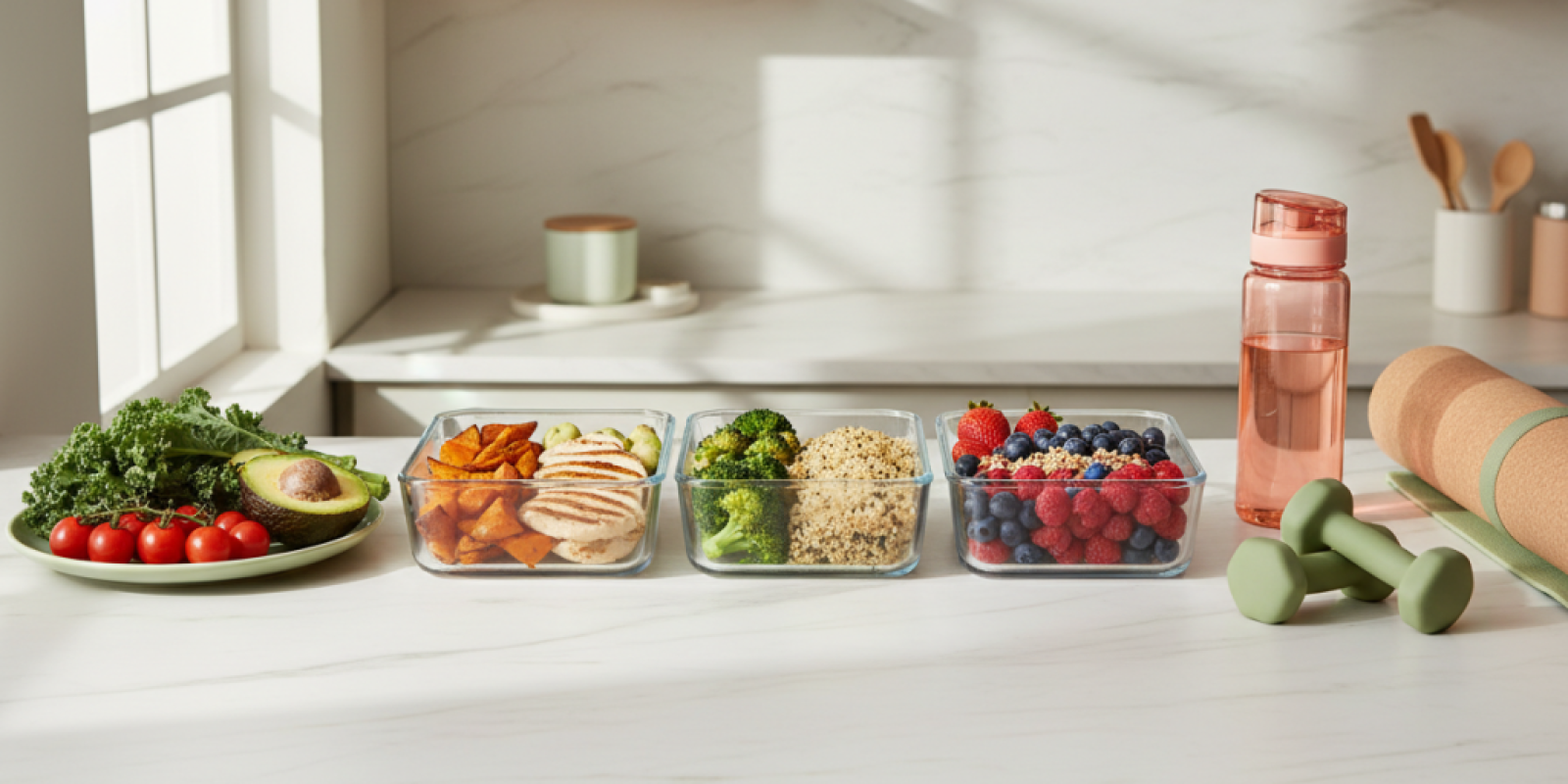
The Art of Meal Prep: Quick Recipes for the Busy Fitness Woman
Table of Contents
1. Introduction: Why Meal Prep is a Game-Changer for Fitness Women
2. Essential Meal Prep Tools Every Fitness Woman Needs
3. Quick and Nutritious Breakfast Prep Ideas
4. Power-Packed Lunch Recipes for Sustained Energy
5. Simple Dinner Solutions for Post-Workout Recovery
6. Healthy Snack Prep for Busy Days
7. Time-Saving Meal Prep Strategies
8. Storage Tips to Keep Your Meals Fresh
9. Conclusion
10. Frequently Asked Questions
Introduction: Why Meal Prep is a Game-Changer for Fitness Women
Let’s be honest – juggling work, family, social commitments, and fitness goals can feel like running a marathon while blindfolded. You know you should eat healthy, but when you’re rushing between meetings and squeezing in that evening workout, grabbing whatever’s convenient often wins over what’s nutritious. Sound familiar?
This is where meal prep becomes your secret weapon. It’s not just about having food ready; it’s about taking control of your nutrition and, ultimately, your fitness journey. When you prep your meals ahead of time, you’re making a commitment to yourself – one that pays dividends in energy levels, workout performance, and overall well-being.
The beauty of meal prep lies in its simplicity and efficiency. Instead of making decisions about food when you’re already stressed and hungry, you’ve already done the thinking. Your future self will thank you when she opens the fridge to find perfectly portioned, nutritious meals waiting for her.
Essential Meal Prep Tools Every Fitness Woman Needs
Before diving into recipes, let’s talk about the tools that make meal prep seamless rather than stressful. You don’t need a kitchen full of gadgets, but having the right basics will transform your prep experience.
Glass containers with tight-fitting lids are your best friends. They’re microwave-safe, dishwasher-friendly, and won’t absorb odors or stains like plastic containers might. Invest in various sizes – smaller ones for snacks and larger ones for full meals.
A quality food scale takes the guesswork out of portion control, which is crucial for fitness goals. Whether you’re trying to build muscle or lose fat, knowing exactly what you’re eating helps you stay on track with your macronutrient targets.
Don’t underestimate the power of a good knife and cutting board. Sharp knives make prep work faster and safer, while a large cutting board gives you space to work efficiently. A slow cooker or instant pot can be game-changers for busy women, allowing you to prepare large batches of protein with minimal hands-on time.
Quick and Nutritious Breakfast Prep Ideas
Mornings set the tone for your entire day, and starting with a nutritious breakfast fuels both your body and your mindset. The key is preparing breakfasts that are grab-and-go ready but still satisfying enough to keep you energized until lunch.
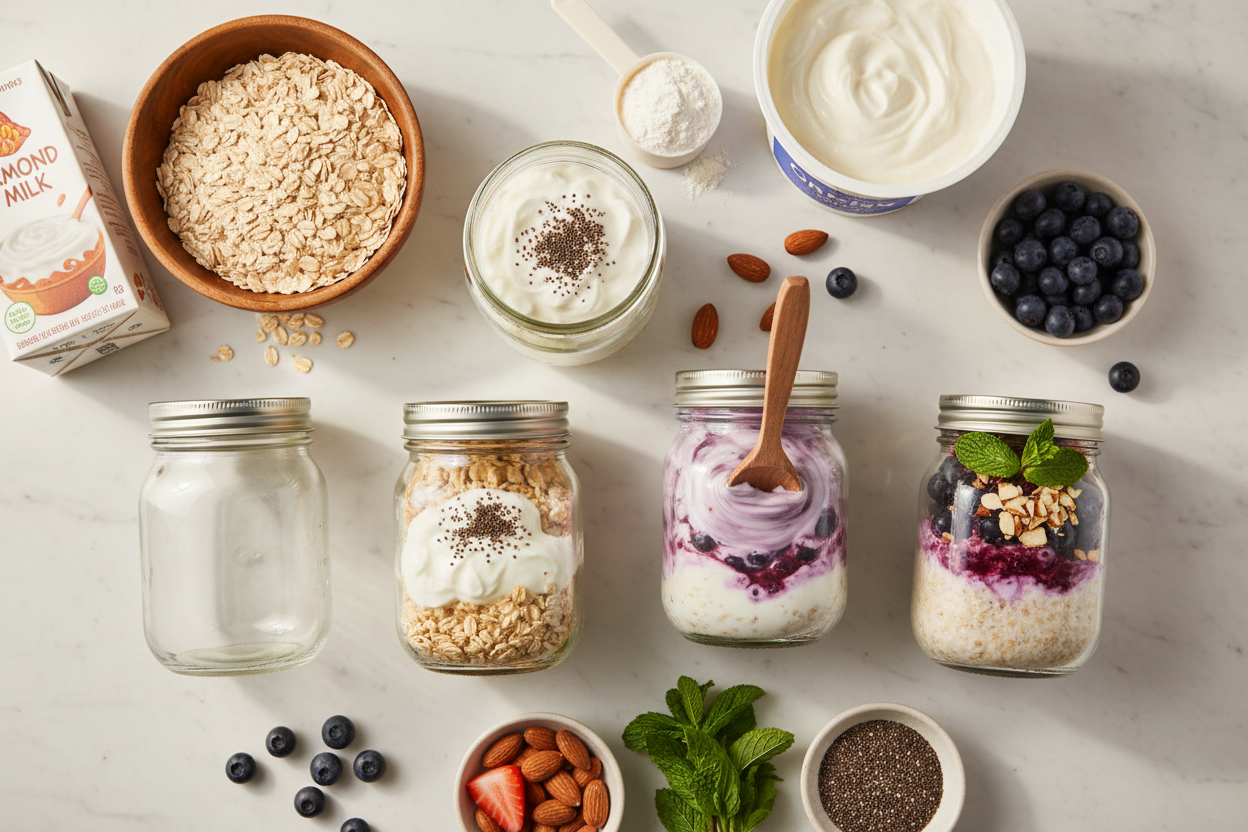
Overnight oats are the ultimate busy woman’s breakfast. Combine rolled oats with Greek yogurt, your choice of milk, and a scoop of protein powder. Add berries, nuts, or seeds for extra nutrition and texture. Prepare five jars on Sunday, and you’re set for the week. The protein powder not only boosts the nutritional value but also creates a creamy, satisfying texture that keeps hunger at bay.
Egg muffins are another fantastic option that combines convenience with customization. Whisk together eggs with vegetables like spinach, bell peppers, and tomatoes. Pour the mixture into muffin tins and bake. These protein-packed bites reheat beautifully and can be eaten on the go. Make a dozen at once and store them in the refrigerator for up to five days.
For those who prefer smoothies, prep smoothie packs by portioning frozen fruits and vegetables into individual bags. Add protein powder, spinach, berries, and banana to each bag. In the morning, just dump the contents into your blender with liquid, and you’re ready to go. This method saves precious morning minutes while ensuring you get a nutrient-dense start to your day.
Power-Packed Lunch Recipes for Sustained Energy
Lunch is often the meal that gets neglected when life gets hectic. You might find yourself grabbing whatever’s available in the office cafeteria or ordering takeout more often than you’d like. Prepping lunches ensures you have satisfying, nutritious options that support your fitness goals.
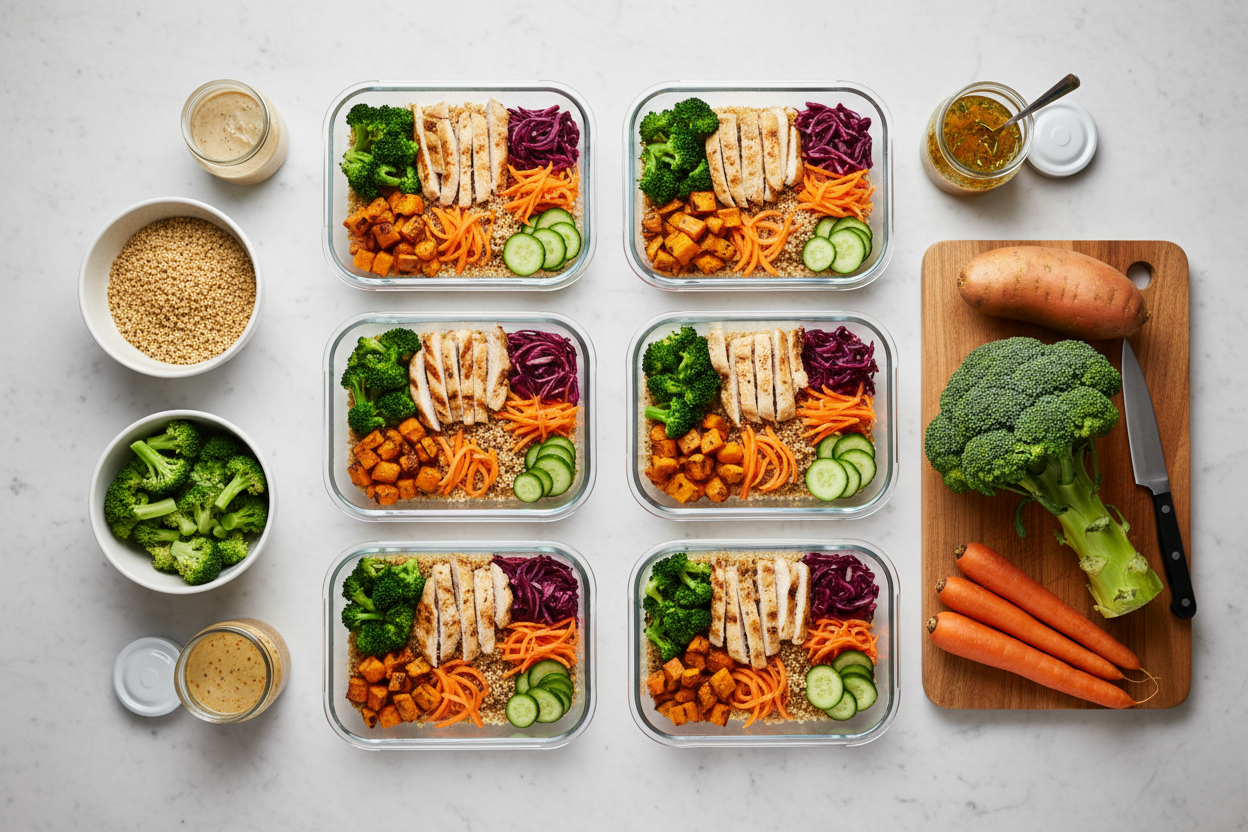
Buddha bowls are incredibly versatile and perfect for meal prep. Start with a base of quinoa or brown rice, add a lean protein like grilled chicken or baked tofu, and pile on colorful vegetables. Roasted sweet potatoes, steamed broccoli, shredded carrots, and cucumber all work beautifully. Prepare components separately and assemble them in containers. Keep dressings in small containers to add just before eating, preventing soggy vegetables.
Mason jar salads are genius for maintaining freshness throughout the week. Layer ingredients strategically – dressing on the bottom, followed by hard vegetables like carrots and peppers, then proteins, softer vegetables, and finally greens on top. When you’re ready to eat, just shake and enjoy. The layering technique keeps everything fresh and prevents wilting.
Soup is another excellent prep option, especially during colder months. A hearty lentil and vegetable soup provides plant-based protein and fiber that keeps you satisfied. Make a large batch and portion it into individual containers. Pair with whole grain crackers or a small salad for a complete meal that reheats beautifully.
Simple Dinner Solutions for Post-Workout Recovery
After a challenging workout, the last thing you want to do is spend an hour in the kitchen. Your body needs nutrients for recovery, but your energy levels might be depleted. This is where smart dinner prep becomes essential for maintaining your fitness routine.
Sheet pan dinners are a busy woman’s dream. Combine lean protein like salmon or chicken breast with vegetables that roast well – Brussels sprouts, asparagus, or bell peppers. Season everything with herbs and olive oil, then roast it all together. One pan, minimal cleanup, and a complete meal that provides the protein and nutrients your muscles need for recovery.
Slow cooker meals are perfect for days when you know you’ll be exhausted. In the morning, throw chicken breast, vegetables, and seasonings into the slow cooker. By evening, you’ll come home to a house that smells amazing and dinner that’s ready to eat. Shredded chicken can be used in various ways throughout the week – in salads, wraps, or over rice.
Stir-fries are quick to prepare and infinitely customizable based on what you have available. Prep all your vegetables and protein in advance, storing them in separate containers. When you’re ready to cook, everything comes together in minutes. Serve over brown rice or quinoa that you’ve prepped earlier in the week.
Healthy Snack Prep for Busy Days
Snacking can either support or sabotage your fitness goals, depending on what you choose. When healthy options are readily available, you’re more likely to make choices that align with your goals rather than reaching for whatever’s convenient.
Energy balls are perfect for pre or post-workout fuel. Combine dates, nuts, protein powder, and a touch of cocoa powder in a food processor. Roll into balls and store in the refrigerator. They satisfy sweet cravings while providing sustained energy from healthy fats and natural sugars.
Veggie sticks with hummus or Greek yogurt-based dips provide crunch and satisfaction without excess calories. Prep carrots, celery, bell peppers, and cucumber at the beginning of the week. Store them in water to maintain crispness, and portion out dips into small containers.
Hard-boiled eggs are protein powerhouses that keep well and travel easily. Prepare a dozen at once and keep them in the refrigerator for quick protein boosts throughout the week. Pair with a piece of fruit for a balanced snack that provides both quick and sustained energy.
Time-Saving Meal Prep Strategies
Effective meal prep isn’t just about the recipes – it’s about developing systems that work with your lifestyle and schedule. The goal is to make healthy eating easier, not to add stress to your already busy life.
Batch cooking is your secret weapon for efficiency. Instead of cooking chicken breast for just one meal, cook several pounds at once. Use different seasonings to create variety – lemon herb for one batch, Mexican spices for another, and Asian-inspired flavors for a third. This gives you protein options for different types of meals throughout the week.
Choose one or two days each week as your prep days. Many women find Sunday works well, but choose what fits your schedule. Spend two to three hours washing, chopping, and cooking. This investment of time pays dividends throughout the week when meals come together in minutes rather than hours.
Prep ingredients rather than complete meals for more flexibility. Wash and chop all your vegetables, cook grains in bulk, and prepare proteins. This approach allows you to mix and match based on your mood and schedule while still having healthy components ready to go.
Storage Tips to Keep Your Meals Fresh
Proper storage can make or break your meal prep efforts. Nothing’s more discouraging than opening a container to find wilted vegetables or soggy food. Learning proper storage techniques ensures your prepped meals taste fresh throughout the week.
Most prepped meals stay fresh for three to four days in the refrigerator. If you’re prepping for longer periods, consider freezing some portions. Soups, stews, and cooked grains freeze beautifully and can be thawed as needed.
Keep wet and dry ingredients separate when possible. Store dressings and sauces in small containers to add just before eating. This prevents soggy salads and maintains the intended texture of your meals.
Label everything with dates. It might seem obvious now what’s in each container, but by Thursday, you might not remember whether that chicken was cooked on Sunday or Monday. Dating helps you use items in the right order and ensures food safety.
Conclusion
Meal prep isn’t about perfection – it’s about progress. Start small, perhaps with just prepping breakfasts or snacks, and gradually expand as the habit becomes natural. The goal is to create a sustainable system that supports your fitness goals without overwhelming your schedule.
Remember that meal prep is highly personal. What works for your friend might not work for you, and that’s perfectly fine. Experiment with different approaches until you find what fits your lifestyle, preferences, and goals. Some weeks you might prep complete meals, while other weeks you might just wash vegetables and cook proteins.
The investment of time you make in meal prep pays dividends in energy, performance, and peace of mind. When you’re prepared, you’re empowered to make choices that align with your goals, even when life gets chaotic. Your fitness journey becomes more sustainable when good nutrition is convenient rather than complicated.
Frequently Asked Questions
How long do meal prepped foods last in the refrigerator?
Most meal prepped foods stay fresh for 3-4 days in the refrigerator. Cooked proteins and grains typically last up to 4 days, while cut vegetables should be used within 2-3 days for best quality. Always use your senses – if something looks, smells, or tastes off, it’s better to discard it.
Can I freeze meal prepped foods?
Yes, many meal prepped foods freeze well. Soups, stews, cooked grains, and cooked proteins can be frozen for up to 3 months. However, foods with high water content like lettuce, cucumber, and tomatoes don’t freeze well. Prepare these fresh when you’re ready to eat.
How much time should I spend on meal prep each week?
Most people find that 2-3 hours once or twice per week is sufficient for meal prep. This can include washing and chopping vegetables, cooking proteins and grains, and assembling some complete meals. Start with just 30 minutes and gradually increase as you develop your system.
What if I get bored eating the same foods all week?
Variety is key to sustainable meal prep. Instead of making identical meals, prep components that can be mixed and matched. Cook proteins with different seasonings, prepare various vegetables, and have different sauces and dressings available. This allows you to create different flavor combinations throughout the week.
Do I need expensive containers for meal prep?
While quality containers make meal prep easier, you don’t need to spend a fortune. Glass containers with tight-fitting lids are ideal, but you can start with what you have. Mason jars work well for salads and overnight oats, and even repurposed food containers can work initially. Invest in better containers gradually as your meal prep habit develops.
How do I calculate portions for my fitness goals?
Portion sizes depend on your individual goals, activity level, and body composition. A general guideline is to include a palm-sized portion of protein, a fist-sized portion of vegetables, a cupped-hand portion of carbohydrates, and a thumb-sized portion of healthy fats in each meal. Consider consulting with a nutritionist or using a nutrition app to get more personalized recommendations based on your specific goals.