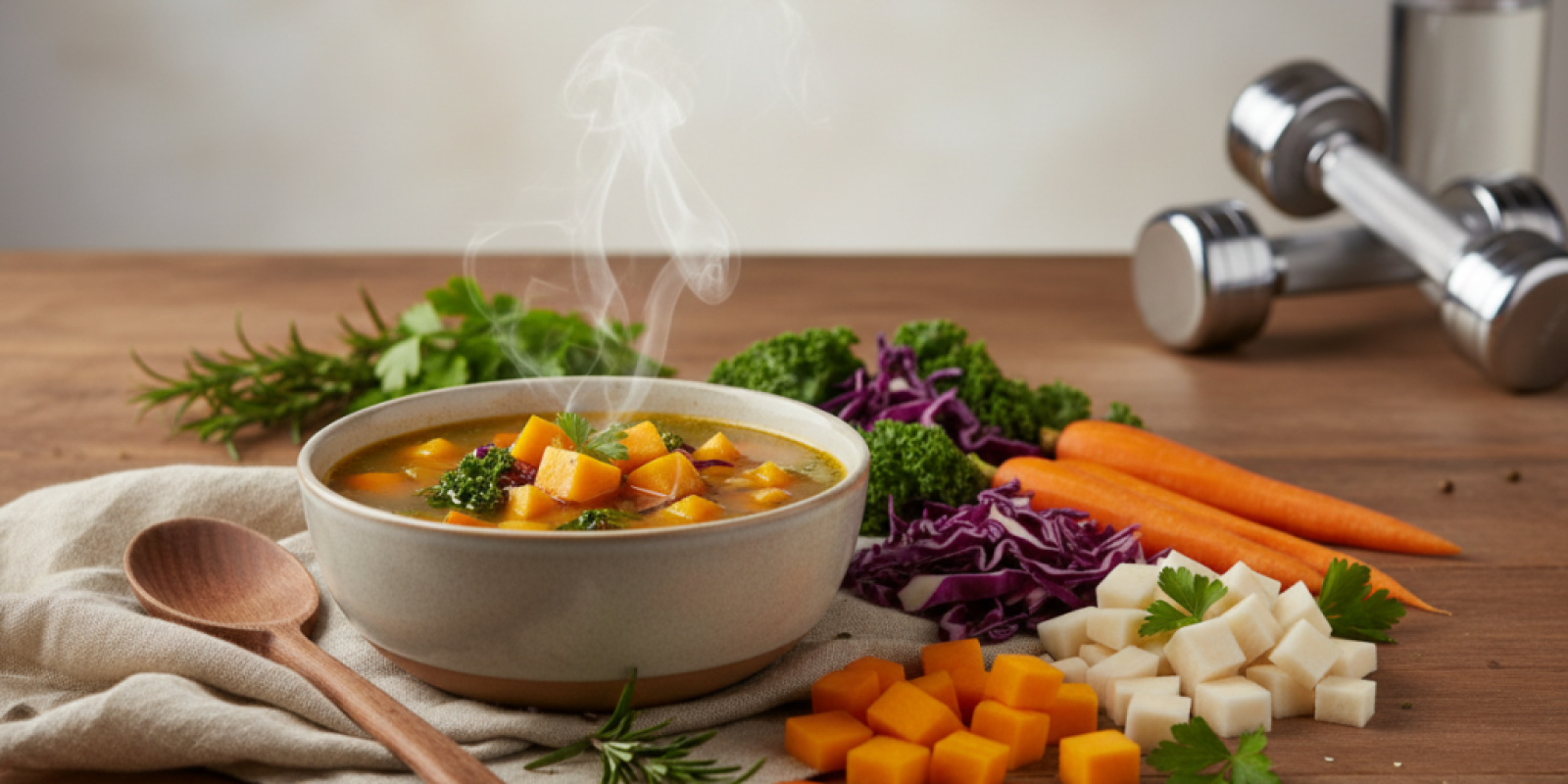
Quick Soup Recipes Using Winter Vegetables for Post-Workout Warmth
Table of Contents
1. Introduction
2. Why Winter Vegetable Soups Are Perfect Post-Workout Fuel
3. Essential Winter Vegetables for Your Soup Arsenal
4. Quick and Nutritious Winter Vegetable Soup Recipes
5. Meal Prep Tips for Busy Athletes
6. Nutritional Benefits of Winter Vegetable Soups
7. Storage and Reheating Guidelines
8. Conclusion
9. Frequently Asked Questions
Introduction
There’s nothing quite like stepping through the front door after an intense winter workout, your body craving something warm and nourishing. While protein shakes have their place, sometimes your soul needs more than a quick fix. That’s where hearty winter vegetable soups come to the rescue, offering the perfect combination of comfort and recovery nutrition.
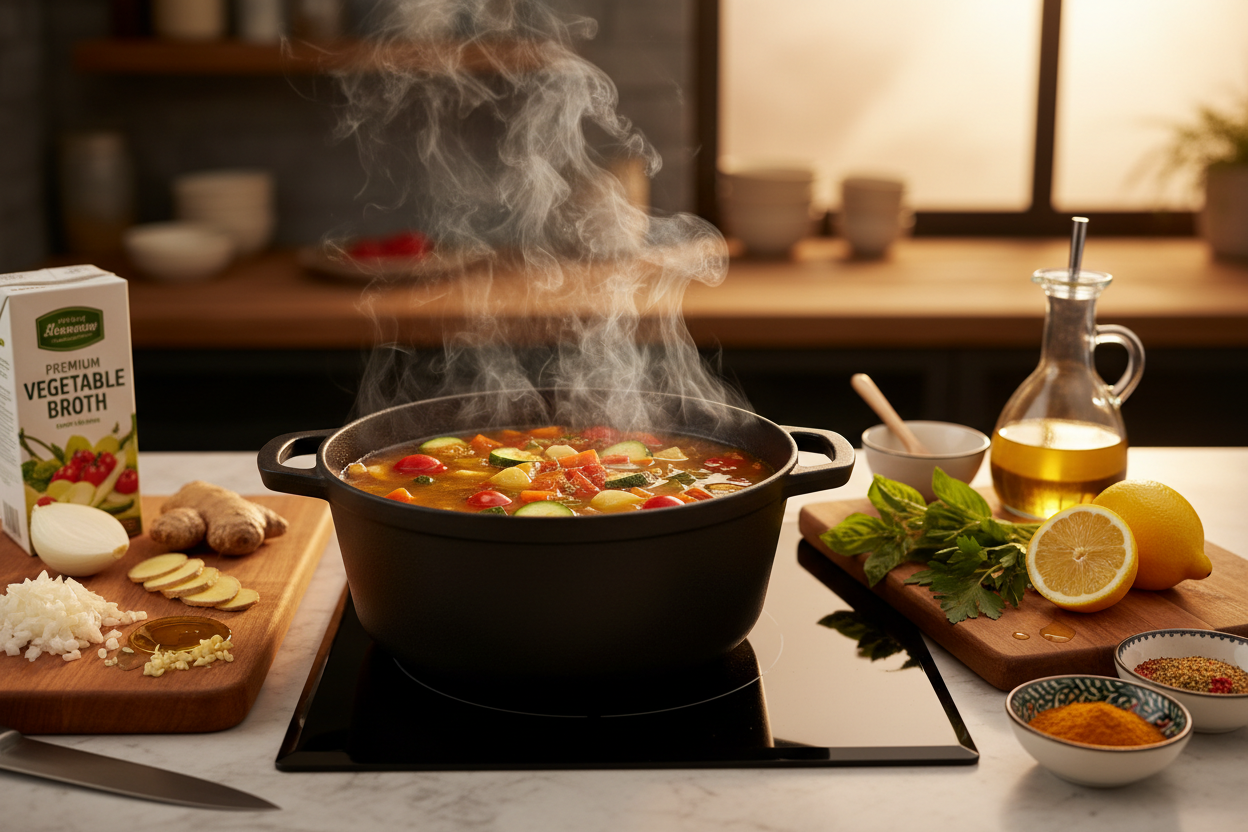
I’ve discovered that the key to maintaining a consistent workout routine during colder months isn’t just about finding the motivation to exercise – it’s about having something delicious and warming to look forward to afterward. These quick soup recipes using seasonal winter vegetables have become my secret weapon for post-workout recovery, providing essential nutrients while satisfying that deep craving for warmth and comfort.
Winter vegetables aren’t just budget-friendly and readily available; they’re nutritional powerhouses packed with vitamins, minerals, and antioxidants that support muscle recovery and immune function. Plus, when you’re dealing with shorter days and colder temperatures, these vibrant vegetables bring much-needed color and energy to your plate.
Why Winter Vegetable Soups Are Perfect Post-Workout Fuel
The science behind post-workout nutrition is fascinating, and winter vegetable soups tick all the right boxes. After exercise, your body needs to replenish glycogen stores, repair muscle tissue, and rehydrate. Traditional sports drinks and protein bars certainly have their place, but they often fall short of providing the comprehensive nutrition your body craves after pushing its limits.
Winter vegetable soups offer something unique: they provide complex carbohydrates for energy replenishment, plant-based proteins for muscle support, and high water content for rehydration. The warm temperature helps raise your core body temperature naturally, which is especially welcome after outdoor winter workouts when you might be dealing with cold-induced muscle tension.
What I love most about soup as post-workout fuel is its digestibility. When your body is in recovery mode, it doesn’t want to work overtime digesting heavy, complicated meals. The cooking process in soups breaks down cell walls in vegetables, making nutrients more bioavailable and easier for your system to absorb quickly.
The psychological benefits can’t be overlooked either. There’s something deeply satisfying about wrapping your hands around a warm bowl of soup, inhaling the aromatic steam, and feeling that first spoonful warm you from the inside out. This mindful eating experience can be just as important for recovery as the nutritional content itself.
Essential Winter Vegetables for Your Soup Arsenal
Building a repertoire of quick soup recipes starts with understanding which winter vegetables work best for rapid cooking while delivering maximum nutritional impact. Root vegetables like carrots, parsnips, and sweet potatoes are absolute champions in this regard. They cook relatively quickly when diced small, bring natural sweetness to balance savory broths, and provide sustained energy through complex carbohydrates.
Cruciferous vegetables such as Brussels sprouts, cabbage, and cauliflower deserve special mention for their incredible nutrient density. These vegetables are loaded with vitamin C, which supports immune function and collagen synthesis – crucial for athletes dealing with the stress of regular training. When shredded or chopped fine, they cook in minutes and add wonderful texture variety to your soups.
Don’t overlook the power of winter squash varieties like butternut, acorn, and delicata. These can be pre-roasted in batches during meal prep sessions, then added to soups for instant creaminess and natural sweetness. They’re particularly rich in beta-carotene and potassium, supporting eye health and proper muscle function.
Leafy greens like kale, collards, and Swiss chard might seem like spring vegetables, but many varieties are actually at their peak during winter months. These greens wilt quickly into soups, providing folate, iron, and chlorophyll while adding beautiful color contrast to your bowl.
Quick and Nutritious Winter Vegetable Soup Recipes
Speedy Sweet Potato and Ginger Recovery Soup
This recipe has become my go-to after particularly challenging strength training sessions. The natural sugars in sweet potatoes help replenish glycogen stores, while ginger provides anti-inflammatory compounds that may help reduce exercise-induced muscle soreness.
Start by heating two tablespoons of olive oil in a large pot over medium-high heat. Add one diced onion and cook for three minutes until fragrant. Stir in two teaspoons of fresh grated ginger and cook for another minute. Add three medium sweet potatoes, peeled and diced into half-inch cubes, along with four cups of low-sodium vegetable broth.
Bring the mixture to a boil, then reduce heat and simmer for 15 minutes until sweet potatoes are tender. Season with salt, pepper, and a pinch of cayenne pepper for warmth. For extra protein, stir in a handful of baby spinach during the last two minutes of cooking. This recipe serves four and takes just 25 minutes from start to finish.
Lightning-Fast Cabbage and White Bean Soup
When time is absolutely critical, this recipe delivers complete nutrition in under 20 minutes. The combination of fiber-rich cabbage and protein-packed white beans creates a satisfying meal that supports both muscle recovery and digestive health.
Heat one tablespoon of olive oil in a large pot and add one diced onion, cooking until translucent. Add four cups of shredded cabbage, two minced garlic cloves, and cook for five minutes until cabbage begins to soften. Pour in three cups of vegetable broth and one can of drained white beans.
Season with dried thyme, salt, and pepper, then simmer for 10 minutes. The beauty of this soup lies in its simplicity – the cabbage retains some texture while the beans break down slightly to thicken the broth naturally. Finish with a squeeze of fresh lemon juice to brighten the flavors.
Roasted Root Vegetable Power Soup
This recipe requires a bit more prep time but delivers incredible depth of flavor that makes it worth the extra effort. The roasting process caramelizes the natural sugars in root vegetables, creating complex flavors that simple boiling can’t achieve.
Preheat your oven to 425 degrees Fahrenheit and toss two cups each of diced carrots, parsnips, and turnips with olive oil, salt, and pepper. Roast for 25 minutes until edges are golden brown. Meanwhile, sauté one diced onion in a large pot until softened.
Add the roasted vegetables to the pot along with four cups of broth and simmer for 10 minutes. For a heartier texture, leave the soup chunky, or blend half the mixture for a partially smooth consistency. This soup actually improves in flavor overnight, making it perfect for meal prep.
Meal Prep Tips for Busy Athletes
The key to maintaining consistent post-workout nutrition lies in preparation. I’ve learned that spending two hours on Sunday afternoon can set you up for a full week of satisfying post-workout meals. Start by washing, peeling, and chopping all your vegetables at once, storing them in clear containers so you can see exactly what you have available.
Consider batch-cooking grains like quinoa, brown rice, or barley that can be added to soups for extra substance and protein. These cooked grains freeze beautifully and can be stirred directly into hot soup from frozen, thawing and heating through in just a few minutes.
Freezing soup in individual portions has revolutionized my post-workout routine. I use wide-mouth mason jars, leaving about an inch of headspace to prevent cracking during freezing. Label each jar with the contents and date, and you’ll have grab-and-go meals ready in minutes. A frozen jar of soup can be thawed and heated in the microwave in under five minutes, perfect for those days when you’re exhausted after training.
Don’t forget about flavor boosters that can be prepared in advance. Herb-infused oils, homemade spice blends, and even frozen portions of sautéed aromatics like onions, garlic, and ginger can dramatically reduce cooking time while maximizing flavor impact.
Nutritional Benefits of Winter Vegetable Soups
The nutritional profile of winter vegetable soups makes them ideal for active individuals dealing with the additional stresses of cold weather training. Root vegetables provide sustained energy through complex carbohydrates, helping to replenish muscle glycogen stores depleted during exercise. This steady energy release prevents the blood sugar spikes and crashes associated with simple sugars.
The high water content in soups addresses the often-overlooked issue of winter dehydration. Many athletes don’t realize they’re becoming dehydrated during cold weather workouts because they don’t feel as thirsty as they would in hot conditions. The combination of warm liquid and electrolytes from vegetables helps restore proper hydration balance more effectively than water alone.
Winter vegetables are particularly rich in antioxidants like beta-carotene, vitamin C, and anthocyanins, which help combat exercise-induced oxidative stress. Regular intense training can increase free radical production, making these protective compounds especially valuable for maintaining long-term health and performance.
The fiber content in vegetable soups supports digestive health and helps maintain stable blood sugar levels throughout the day. This is particularly important for athletes who need consistent energy levels for training and recovery. The soluble fiber also helps with satiety, preventing overeating while ensuring adequate nutrition.
Storage and Reheating Guidelines
Proper storage techniques ensure your meal prep efforts pay off with safe, delicious meals throughout the week. Most vegetable soups will keep in the refrigerator for up to five days when stored in airtight containers. Always allow soup to cool completely before refrigerating to prevent bacterial growth and maintain food safety.
For longer storage, most vegetable soups freeze beautifully for up to three months. The key is using appropriate containers that prevent freezer burn and allow for expansion. Avoid freezing soups with dairy or coconut milk, as these can separate and become grainy when thawed.
When reheating frozen soup, the safest method is to thaw it overnight in the refrigerator, then reheat gently on the stovetop or in the microwave. If you’re in a hurry, you can reheat directly from frozen, but add a splash of broth or water as needed since vegetables may have released additional moisture during freezing.
Always reheat soup to an internal temperature of 165 degrees Fahrenheit to ensure food safety. Taste and adjust seasonings after reheating, as flavors can mellow during storage and may need a boost of salt, pepper, or fresh herbs.
Conclusion
Creating a sustainable post-workout nutrition routine doesn’t have to be complicated or time-consuming. These quick winter vegetable soup recipes provide the perfect solution for busy athletes who refuse to compromise on nutrition or flavor. By embracing seasonal produce and simple cooking techniques, you can create warming, nourishing meals that support your fitness goals while satisfying your need for comfort food.
The beauty of soup-based recovery nutrition lies in its flexibility and forgiveness. These recipes serve as starting points that you can modify based on your preferences, dietary restrictions, and whatever vegetables happen to be in your refrigerator. As you become more comfortable with the basic techniques, you’ll find yourself creating your own signature combinations.
Remember that consistency trumps perfection when it comes to nutrition. Having a repertoire of quick, nutritious soup recipes means you’re more likely to fuel your body properly after workouts, leading to better recovery, improved performance, and greater long-term success in your fitness journey. So grab your favorite pot, stock up on winter vegetables, and start creating your own post-workout warming tradition.
Frequently Asked Questions
How soon after a workout should I eat soup?
Ideally, you should consume post-workout nutrition within 30-60 minutes after exercise when your muscles are most receptive to nutrient uptake. Soup is particularly good because it’s easy to digest and provides both carbohydrates and fluids for optimal recovery.
Can I add protein powder to vegetable soups?
Yes, but add it carefully. Remove the soup from heat and let it cool slightly before stirring in protein powder to prevent clumping. Alternatively, add cooked beans, lentils, or shredded chicken for natural protein sources that integrate better with the soup’s texture.
Which winter vegetables cook the fastest?
Leafy greens like spinach and kale cook in 2-3 minutes, while thinly sliced or grated root vegetables like carrots and parsnips cook in 5-8 minutes. Pre-cooking harder vegetables or cutting them smaller significantly reduces cooking time.
Are canned vegetables acceptable for quick soups?
Absolutely! Canned vegetables can be excellent time-savers for post-workout meals. Look for low-sodium options and add them during the last few minutes of cooking since they’re already tender. Frozen vegetables are often even better than canned, retaining more nutrients and texture.
How can I make my soups more filling without adding meat?
Add cooked quinoa, brown rice, or pasta to increase the carbohydrate content. Beans and lentils provide both protein and fiber. You can also blend a portion of the soup to create a thicker, more substantial texture that feels more satisfying.
What’s the best way to add flavor quickly to vegetable soups?
Start with a good quality broth instead of water, and don’t skip the aromatics like onions, garlic, and ginger. Finish soups with fresh herbs, a squeeze of lemon juice, or a drizzle of good olive oil. Spice blends like curry powder or Italian seasoning can instantly transform basic vegetable combinations.