Seasonal Fruit Timing: When to Eat What for Maximum Fitness Benefits
Table of Contents
1. Introduction: Nature’s Perfect Timing
2. Spring Fruits: Energy Revival and Detox
3. Summer Fruits: Hydration and Endurance
4. Fall Fruits: Immune Support and Recovery
5. Winter Fruits: Vitamin C Powerhouses
6. Pre-Workout vs Post-Workout Fruit Timing
7. Maximizing Nutrient Absorption
8. Common Mistakes to Avoid
9. Conclusion
10. Frequently Asked Questions
Introduction: Nature’s Perfect Timing
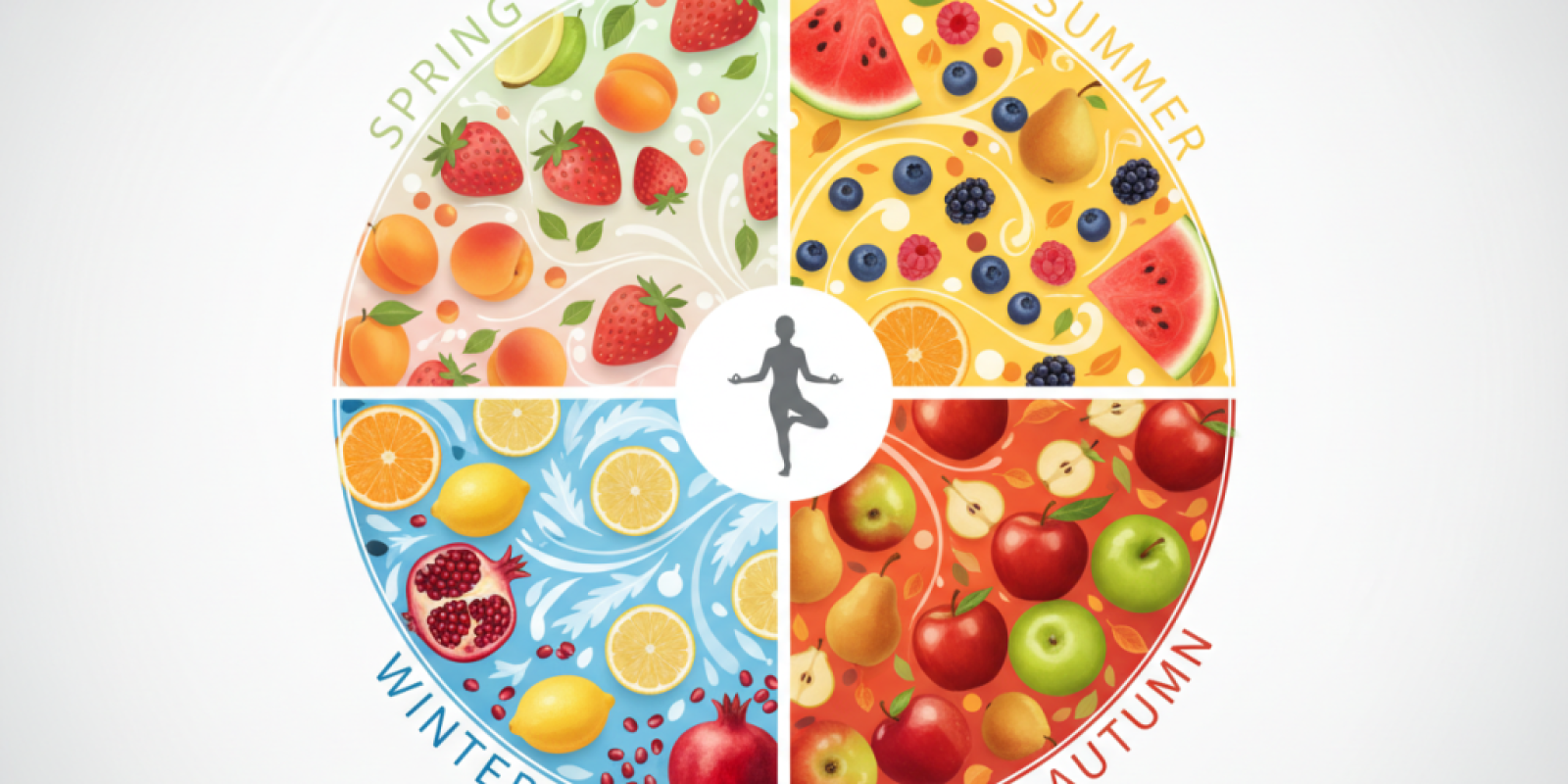
Have you ever wondered why certain fruits ripen at specific times of the year? There’s actually brilliant wisdom in nature’s timing that goes far beyond simple agricultural cycles. When we align our fruit consumption with seasonal availability, we’re not just eating fresher, more flavorful produce – we’re optimizing our fitness performance and overall health in ways our ancestors intuitively understood.
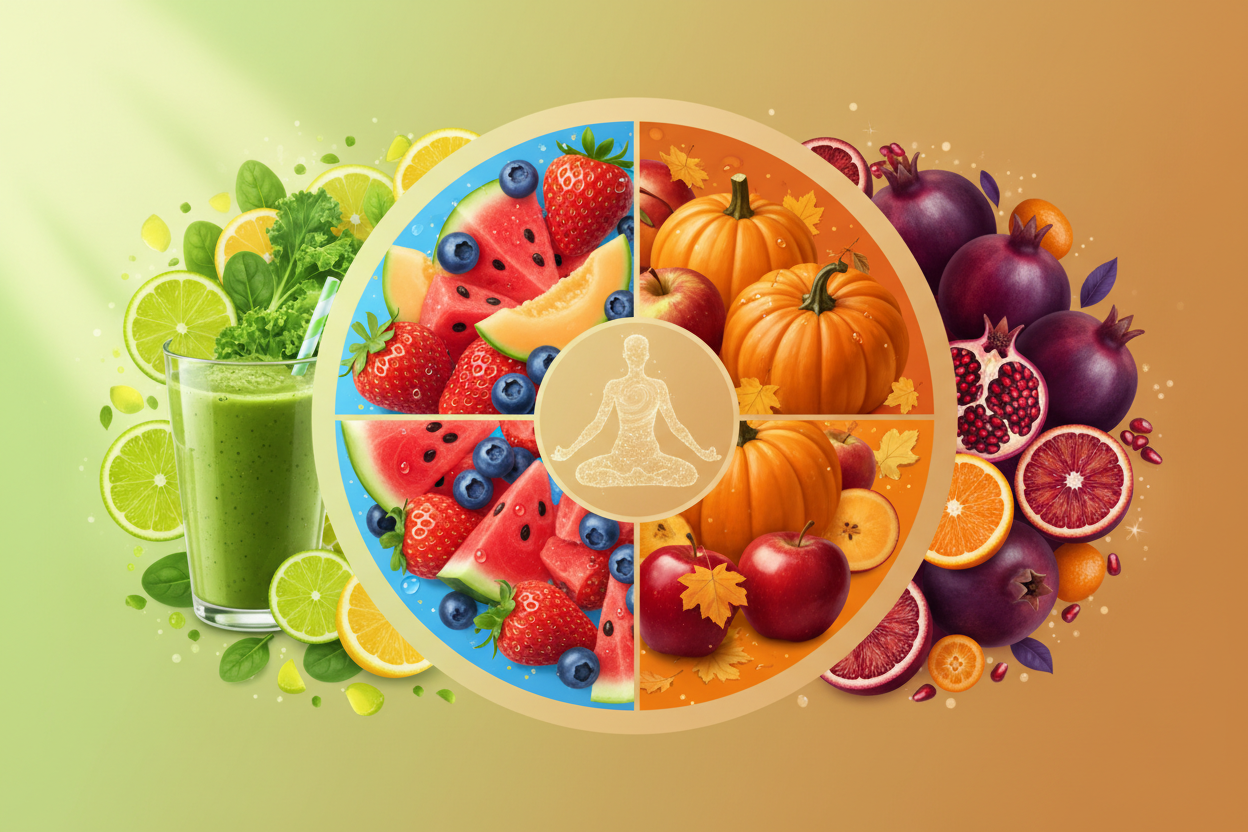
I’ve been studying nutritional timing for over a decade, and one pattern consistently emerges: seasonal fruits provide exactly what our bodies need when we need it most. Spring fruits help us detoxify after winter’s heavier foods, summer fruits keep us hydrated during intense training sessions, fall fruits boost our immune systems before cold season, and winter fruits provide essential vitamins when fresh produce is scarce.
This isn’t just about eating what’s available – it’s about strategic nutrition that can enhance your workout performance, speed recovery, and support your fitness goals throughout the year. Let’s dive into how you can harness the power of seasonal fruit timing for maximum fitness benefits.
Spring Fruits: Energy Revival and Detox
Spring marks nature’s grand awakening, and the fruits that emerge during this season are perfectly designed to help our bodies transition from winter’s slower metabolism to summer’s active phase. The key spring fruits – strawberries, apricots, and early citrus – are packed with compounds that support detoxification and energy production.
Strawberries, typically available from April through June, contain high levels of vitamin C and natural enzymes that support liver detoxification. I always recommend incorporating fresh strawberries into your pre-workout smoothies during spring months. Their natural sugars provide quick energy, while their antioxidants help combat exercise-induced oxidative stress.
Apricots deserve special mention for fitness enthusiasts. These orange gems are rich in beta-carotene and potassium – essential for muscle function and recovery. Fresh apricots work wonderfully as a post-workout snack, helping replenish glycogen stores while supporting muscle repair. Their natural sweetness satisfies cravings without derailing your nutrition goals.
The timing here is crucial. Spring fruits are naturally lower in overall sugar content compared to summer varieties, making them perfect for those looking to lean out after winter while still fueling their workouts effectively. Your body is naturally primed for detoxification during spring, and these fruits support that process beautifully.
Summer Fruits: Hydration and Endurance
Summer brings an abundance of water-rich fruits that seem almost designed for the season’s intense heat and longer daylight hours that encourage more active lifestyles. Watermelon, cantaloupe, peaches, and berries dominate summer harvests, each offering unique fitness benefits that align perfectly with warm-weather training demands.
Watermelon stands out as nature’s sports drink. Composed of over 90% water, it provides natural electrolytes including potassium and magnesium. But here’s what most people don’t know: watermelon contains L-citrulline, an amino acid that improves blood flow and may enhance exercise performance. I’ve personally noticed better endurance during summer runs when I consume watermelon 30-60 minutes before training.
Berries – blueberries, blackberries, and raspberries – reach peak ripeness during summer months and offer concentrated antioxidant power. These tiny nutritional powerhouses help combat the increased oxidative stress from longer, more intense summer workouts. Their fiber content also helps stabilize blood sugar, preventing the energy crashes that can derail afternoon training sessions.
Peaches and nectarines provide the perfect balance of natural sugars and vitamins A and C, supporting both immediate energy needs and long-term recovery. Their high water content aids hydration, while their natural sweetness makes them an ideal post-workout treat that doesn’t feel like a compromise.
Fall Fruits: Immune Support and Recovery
As temperatures drop and training shifts from outdoor summer activities to indoor routines, fall fruits provide exactly what our bodies need for this transition. Apples, pears, cranberries, and late-season grapes offer sustained energy and immune-boosting compounds that prepare us for winter’s challenges.
Apples, available fresh from September through November, are nutritional workhorses often overlooked by fitness enthusiasts. Their pectin fiber helps stabilize blood sugar levels, making them excellent pre-workout options for longer training sessions. The quercetin in apple skins acts as a natural anti-inflammatory, supporting recovery from intense fall training cycles.
Pears complement apples beautifully with their higher potassium content and natural enzymes that aid digestion. After heavy summer training loads, fall is often when our digestive systems need extra support, and pears provide gentle assistance while delivering steady energy for workouts.
Cranberries, though tart on their own, offer powerful antioxidant protection when consumed fresh or as unsweetened juice. Their unique proanthocyanidins support urinary tract health – important for athletes who may be increasing indoor training and consuming more processed foods as fresh options become limited.
The key with fall fruits is their ability to provide sustained energy without the quick sugar spikes of summer varieties. This makes them perfect for the longer, steadier workouts that characterize fall training programs.
Winter Fruits: Vitamin C Powerhouses
Winter’s fruit selection might seem limited, but what’s available packs a serious nutritional punch. Citrus fruits – oranges, grapefruits, lemons, and limes – reach peak ripeness during winter months, providing essential vitamin C when our immune systems face their greatest challenges.
Oranges and grapefruits offer more than just vitamin C. Their folate content supports red blood cell production, crucial for maintaining energy levels during winter’s shorter days. The natural sugars in citrus fruits provide quick energy for morning workouts when motivation might be running low due to limited daylight.
Pomegranates, available fresh from October through February, deserve special attention from serious athletes. Research shows pomegranate juice can improve exercise performance and reduce muscle soreness. The fruit’s unique antioxidant profile supports recovery from high-intensity winter training sessions.
Kiwi fruits, often overlooked, contain more vitamin C per serving than oranges and provide natural enzymes that aid protein digestion. This makes them excellent post-workout options, especially when paired with protein-rich meals or shakes.
Winter fruit timing becomes especially important because these months often coincide with goal-setting season – New Year’s resolutions, spring training preparation, or competition prep. The sustained energy and immune support from winter fruits can make or break consistency during these crucial periods.
Pre-Workout vs Post-Workout Fruit Timing
Understanding when to eat specific fruits around your workouts can significantly impact your performance and recovery. The timing isn’t just about seasonal availability – it’s about matching the fruit’s nutritional profile to your body’s immediate needs.
For pre-workout fuel, focus on fruits with higher natural sugar content and lower fiber to minimize digestive stress. Bananas remain the gold standard year-round, but seasonal options include fresh figs in late summer, dates in fall, and citrus fruits in winter. Consume these 30-60 minutes before training for optimal energy availability.
Post-workout fruit selection should prioritize recovery support. Higher antioxidant fruits like berries, cherries, and pomegranates help combat exercise-induced inflammation. Fruits with higher potassium content – melons, oranges, and bananas – support muscle recovery and electrolyte balance.
The seasonal aspect becomes crucial here because fresh, in-season fruits contain higher concentrations of beneficial compounds compared to out-of-season alternatives. A fresh summer blueberry will provide more antioxidant power than a frozen winter one, though frozen options still offer value when fresh isn’t available.
Maximizing Nutrient Absorption
Eating seasonal fruits is only half the equation – maximizing their nutritional benefits requires strategic consumption methods. The way you prepare, combine, and time your fruit intake can significantly impact how well your body utilizes these natural performance enhancers.
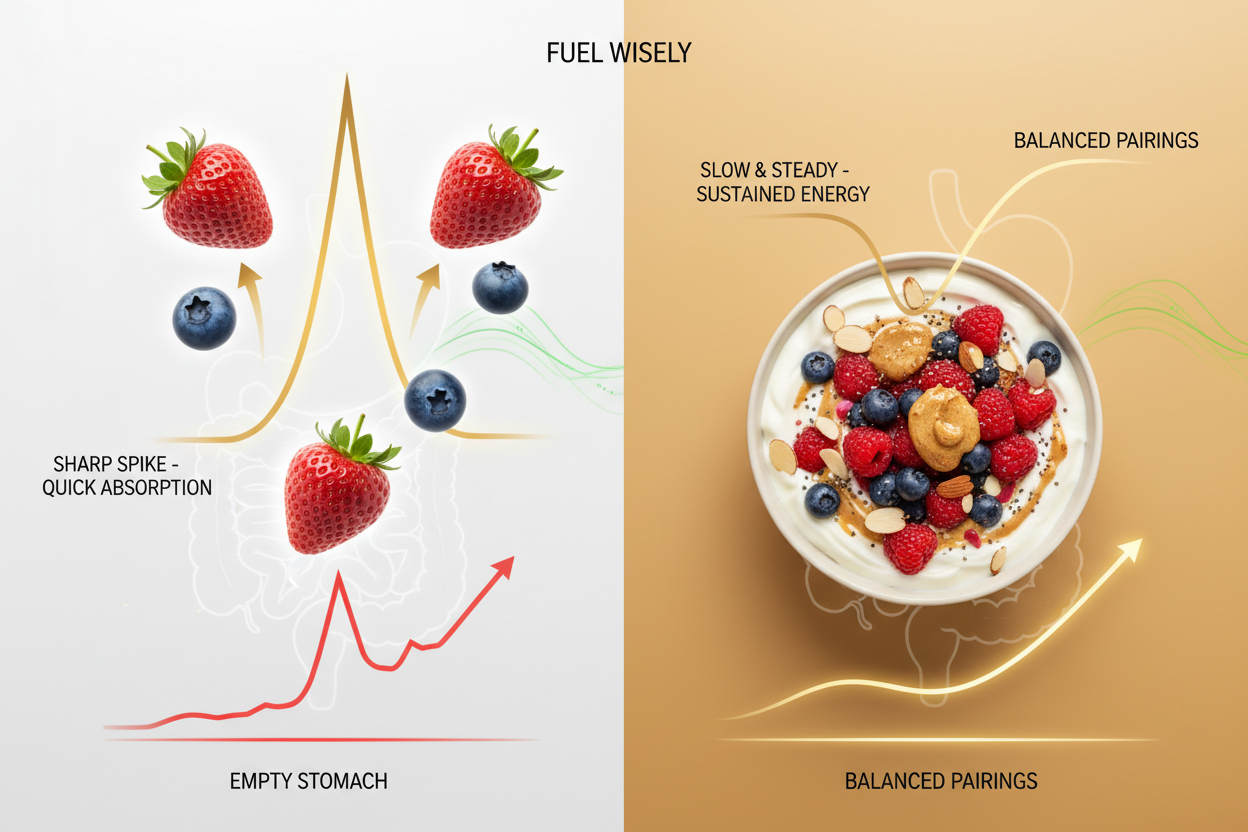
Eating fruits on an empty stomach generally improves nutrient absorption, but this isn’t always practical around workout schedules. When combining fruits with other foods, pair them with healthy fats or proteins to slow sugar absorption and extend energy release. A spring strawberry and almond butter combination provides sustained energy, while summer berries with Greek yogurt offer both immediate fuel and recovery support.
Temperature matters more than most people realize. Room temperature fruits are generally easier to digest than cold ones, making them better pre-workout options. However, cold fruits can be beneficial post-workout, especially in summer, as they aid in cooling core body temperature while providing recovery nutrients.
Organic seasonal fruits, when budget allows, often contain higher concentrations of beneficial compounds and lower levels of pesticides that could interfere with optimal health and performance. The investment becomes more worthwhile when you’re strategically using fruits to support specific fitness goals.
Common Mistakes to Avoid
Even with the best intentions, several common mistakes can undermine your seasonal fruit strategy. The most frequent error I see is consuming too much fruit too close to workout time, leading to digestive discomfort or blood sugar crashes mid-exercise.
Another mistake is ignoring individual tolerance levels. While berries are generally excellent for most people, some individuals experience digestive issues with high-fiber fruits before workouts. Pay attention to your body’s responses and adjust accordingly.
Relying solely on fruit for post-workout nutrition is also problematic. While fruits provide valuable antioxidants and some carbohydrates, they lack the protein necessary for optimal muscle recovery. Always pair post-workout fruits with adequate protein sources.
Finally, don’t fall into the trap of thinking more is always better. Excessive fruit consumption, even healthy seasonal varieties, can lead to digestive issues and blood sugar imbalances that negatively impact training performance and recovery.
Conclusion
Seasonal fruit timing represents one of the most natural and effective ways to optimize your fitness nutrition throughout the year. By aligning your fruit consumption with nature’s schedule, you’re not just eating fresher, more flavorful produce – you’re providing your body with exactly what it needs when it needs it most.
Spring fruits support detoxification and energy revival as you increase activity levels. Summer varieties provide hydration and endurance support for peak training seasons. Fall fruits offer immune support and sustained energy for indoor training transitions. Winter citrus provides essential vitamins and recovery support during challenging months.
The key is consistency and attention to timing. Use seasonal fruits strategically around your workouts, focus on fresh, local options when possible, and remember that these natural foods work best as part of a comprehensive nutrition strategy that includes adequate protein, healthy fats, and complex carbohydrates.
Start implementing seasonal fruit timing gradually. Choose one or two fruits that align with your current season and fitness goals, then build from there. Your body will thank you with improved energy, better recovery, and enhanced performance that reflects nature’s perfect timing.
Frequently Asked Questions
Q: Can I still get benefits from frozen fruits when fresh seasonal options aren’t available?
A: Absolutely. While fresh, in-season fruits offer peak nutritional value, frozen fruits retain most of their vitamins and antioxidants. They’re particularly useful for smoothies and post-workout recovery when fresh options are limited or expensive.
Q: How much fruit should I eat daily for optimal fitness benefits?
A: Most active individuals benefit from 2-4 servings of fruit daily, with timing spread around workouts and meals. Focus on variety and seasonal options rather than large quantities of any single fruit.
Q: Are there any fruits I should avoid before workouts?
A: High-fiber fruits like pears or large amounts of berries might cause digestive discomfort if consumed too close to exercise. Stick to easily digestible options like bananas, dates, or small amounts of citrus before training.
Q: Do dried fruits offer the same benefits as fresh seasonal fruits?
A: Dried fruits concentrate sugars and calories while losing some vitamins and water content. They can be useful for quick energy but shouldn’t replace fresh seasonal options as your primary fruit source.
Q: How do I know if a fruit is truly in season in my area?
A: Visit local farmers markets, check with grocery store produce managers, or research seasonal produce guides specific to your region. Local, in-season fruits typically taste better and cost less than out-of-season alternatives.