How Different Cultures Celebrate Seasonal Foods and Fitness: A Global Journey Through Nature’s Calendar
Table of Contents
1. Introduction: The Universal Language of Seasons
2. Spring Awakening: Fresh Starts and Green Beginnings
3. Summer Abundance: Peak Energy and Harvest Celebrations
4. Autumn Harvest: Gratitude and Preparation
5. Winter Warmth: Comfort Foods and Indoor Activities
6. Modern Applications: Bringing Ancient Wisdom to Today’s Lifestyle
7. Conclusion: Embracing Cultural Diversity in Seasonal Living
8. Frequently Asked Questions
Introduction: The Universal Language of Seasons
There’s something magical about how different cultures around the world have developed unique relationships with the changing seasons. While we might think of seasonal eating as a modern wellness trend, the truth is that humans have been celebrating seasonal foods and adapting their physical activities to nature’s rhythm for thousands of years.
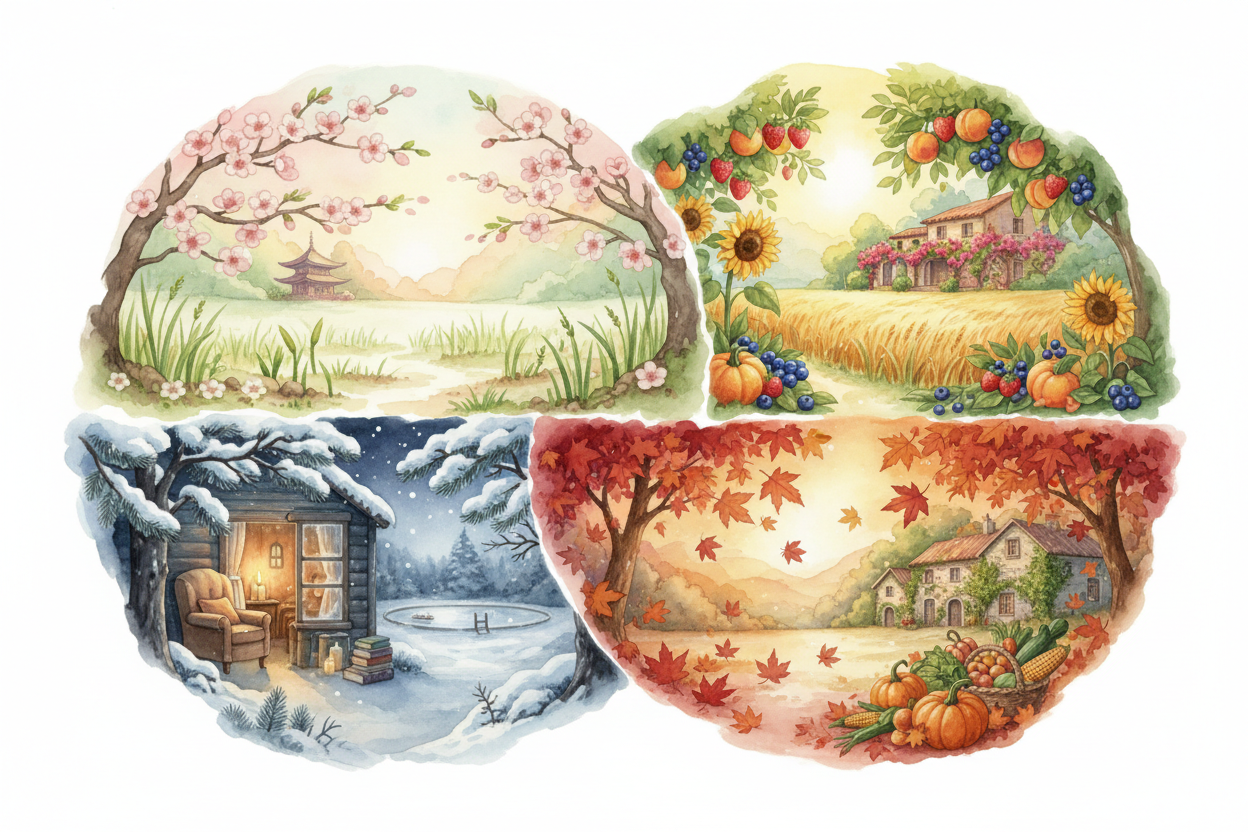
From the cherry blossom festivals of Japan to the harvest celebrations of rural America, every culture has found ways to honor the natural cycle of seasons through food and movement. These traditions aren’t just beautiful customs – they’re actually rooted in practical wisdom about nutrition, fitness, and overall well-being that we can learn from today.
In our increasingly globalized world, where strawberries are available in December and we can work out in climate-controlled gyms year-round, we’ve somewhat lost touch with this seasonal rhythm. But exploring how different cultures celebrate seasonal foods and fitness can help us reconnect with nature’s calendar and potentially improve our own health and happiness.
Spring Awakening: Fresh Starts and Green Beginnings
Spring represents renewal across virtually every culture on Earth, and this universal theme manifests beautifully in both culinary traditions and physical activities.
In Mediterranean cultures, spring brings an explosion of fresh greens that have been eagerly awaited through the winter months. Greek families venture into the countryside for “horta” gathering – collecting wild greens like dandelion, chicory, and wild fennel. This tradition combines gentle physical activity with nutritional wisdom, as these bitter greens help cleanse the body after a winter of heavier foods.
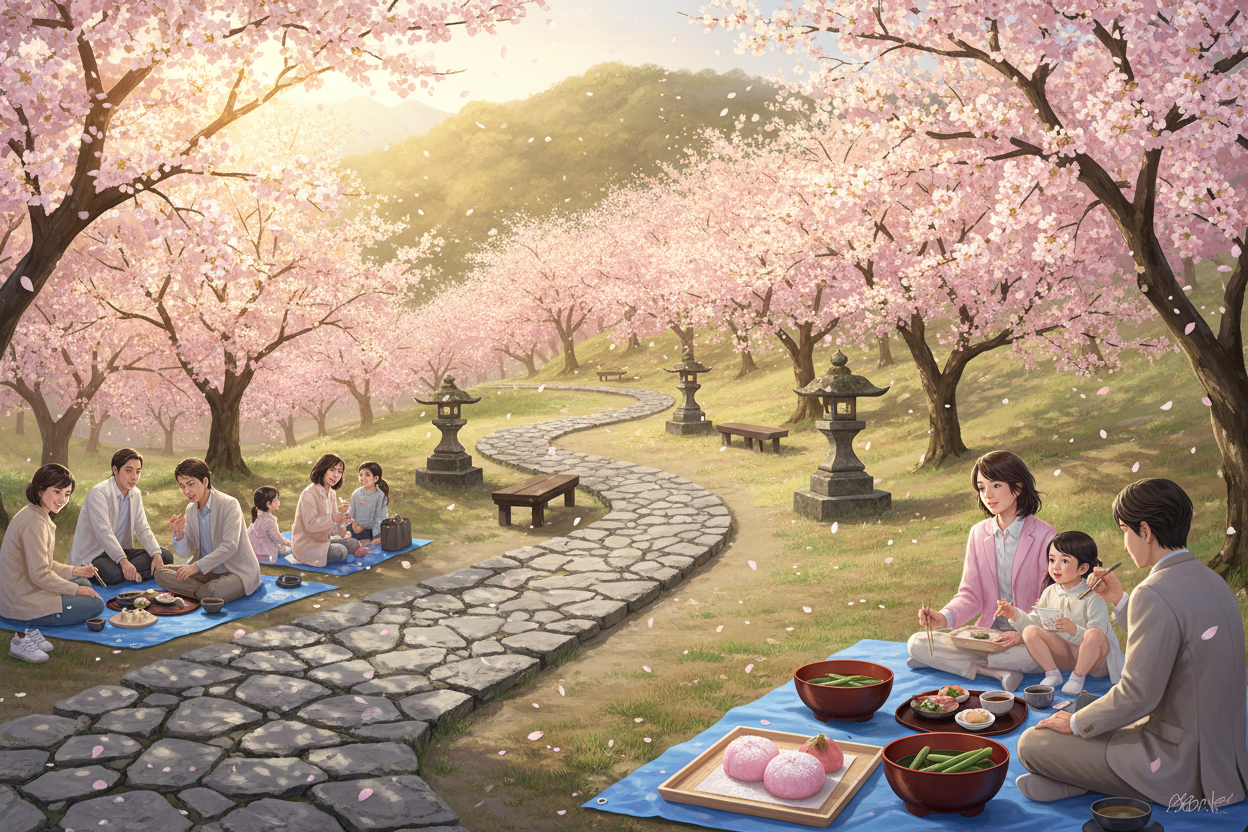
Japanese culture takes spring celebration to an art form with hanami – cherry blossom viewing parties. These gatherings aren’t just about admiring beautiful flowers; they involve walking to prime viewing spots, often hiking up hills or through parks, and sharing seasonal foods like sakura mochi (cherry blossom rice cakes) and fresh bamboo shoots. The physical activity is gentle but purposeful, marking the return of outdoor movement after winter’s hibernation.
In India, the festival of Holi coincides with spring’s arrival and involves vigorous physical activity – running, dancing, and throwing colored powders. The traditional foods served during Holi, like fresh coconut water and cooling drinks made with mint and coriander, help balance the body’s energy as it transitions from winter’s heaviness to spring’s lightness.
Native American tribes across North America have long celebrated spring with maple syrup harvesting, which involves significant physical activity – walking through forests, carrying heavy buckets, and tending fires. The maple syrup provides quick energy for the increased activity levels that spring demands.
Summer Abundance: Peak Energy and Harvest Celebrations
Summer is the season of abundance, and cultures worldwide have developed traditions that make the most of both the season’s energy and its incredible variety of fresh foods.
In Scandinavia, the concept of “allemansrätten” or “right to roam” comes alive during summer months. Families spend entire days hiking, berry picking, and mushroom foraging. This tradition combines cardiovascular exercise with the gathering of nutrient-dense foods like blueberries, lingonberries, and chanterelle mushrooms. The long daylight hours of Nordic summers make these extended outdoor activities not just possible but essential for mental and physical well-being.
Spanish culture embraces summer with late-night dining and evening paseos (walks). The tradition of eating gazpacho – a cold soup made from fresh tomatoes, cucumbers, and peppers – provides hydration and cooling nutrients, while the evening walks help digest these lighter meals and provide social connection during the cooler parts of the day.
In many African cultures, summer marks the time for traditional dancing festivals that can last for hours or even days. These celebrations often coincide with the availability of fresh fruits like mangoes, papayas, and baobab fruit, which provide the natural sugars and electrolytes needed for sustained physical activity.
Chinese tradition recognizes summer as the time when the body’s yang energy is at its peak. Traditional Chinese Medicine recommends cooling foods like watermelon, cucumber, and green tea, combined with gentle exercises like tai chi practiced in parks during the early morning hours before the heat becomes intense.
Autumn Harvest: Gratitude and Preparation
Autumn traditions around the world share common themes of gratitude, preparation, and building strength for the coming winter months.
The American Thanksgiving tradition, while now often associated with overeating, originally celebrated the successful harvest with foods that provided the nutrients needed for winter survival – squash rich in beta-carotene, cranberries packed with antioxidants, and turkey providing protein for maintaining muscle mass during less active winter months.
In Korea, autumn brings the tradition of making kimchi for winter storage. This isn’t just food preparation – it’s a community activity that involves significant physical work. Families gather to chop hundreds of cabbages, mix heavy batches of seasoning, and pack the fermented vegetables into containers. The resulting kimchi provides probiotics and vitamins that support immune function during winter months.
German Oktoberfest traditions originally celebrated the autumn harvest with folk dancing, which provided community bonding and physical activity as people prepared for winter’s isolation. The traditional foods – hearty stews, root vegetables, and preserved meats – were designed to build the body’s reserves for colder months.
In many Middle Eastern cultures, autumn marks the time for olive harvesting, which involves climbing trees, carrying heavy baskets, and processing olives into oil. This tradition provides both the healthy fats needed for winter nutrition and the physical activity required to maintain strength as outdoor activity decreases.
Winter Warmth: Comfort Foods and Indoor Activities
Winter traditions across cultures focus on maintaining warmth, conserving energy, and supporting the body through the most challenging season.
Russian banya culture combines the nutritional wisdom of winter eating with unique physical practices. The traditional banya session – involving heat exposure, cold plunges, and gentle beating with birch branches – is often accompanied by warming foods like borscht, hearty stews, and fermented vegetables that provide the nutrients needed to support this intense physical practice.
In traditional Chinese culture, winter is the time for building internal heat through both food and movement. Hot pot meals – where families gather around a simmering pot of broth to cook vegetables, meats, and noodles – provide both social warmth and the calories needed for cold weather. These meals are often preceded or followed by indoor practices like qigong, which maintains flexibility and circulation without requiring outdoor exposure.
Scandinavian hygge culture recognizes winter as a time for slowing down, but it doesn’t mean stopping completely. Traditional winter activities like cross-country skiing and ice skating are combined with warming foods like mulled wine, hearty stews, and preserved fish that provide the fats and proteins needed for cold-weather activity.
In many Indigenous cultures of North America, winter storytelling traditions serve as both entertainment and gentle physical activity. These gatherings, accompanied by warming foods like pemmican and herbal teas, maintain social connections and provide light movement during the months when outdoor activity is limited.
Modern Applications: Bringing Ancient Wisdom to Today’s Lifestyle
Understanding these cultural traditions can help us create more sustainable and enjoyable approaches to nutrition and fitness in our modern lives.
The concept of seasonal eating isn’t just about tradition – it’s about working with our body’s natural rhythms. Research shows that our metabolism, energy levels, and even our mood naturally fluctuate with the seasons. By eating foods that are naturally available during each season, we provide our bodies with the nutrients they need when they need them most.
Similarly, adapting our exercise routines to the seasons can help prevent burnout and injury while keeping us more connected to the natural world. This doesn’t mean we need to abandon our gym memberships, but rather that we can supplement indoor activities with seasonal outdoor pursuits.
For example, spring might be the perfect time to start a walking group or try outdoor yoga classes. Summer could involve hiking, swimming, or cycling. Autumn might bring apple picking, raking leaves, or harvest-themed fun runs. Winter could focus on indoor strength training, yoga, or trying activities like ice skating or snowshoeing where climate permits.
The social aspect of these cultural traditions is equally important. Many of the seasonal celebrations we’ve explored involve community participation, which research consistently shows improves both physical and mental health outcomes.
Conclusion: Embracing Cultural Diversity in Seasonal Living
The beautiful diversity of how different cultures celebrate seasonal foods and fitness offers us a rich tapestry of wisdom to draw from. These traditions remind us that health and wellness aren’t just individual pursuits – they’re community celebrations that connect us to both each other and the natural world.
Whether you’re inspired to try foraging for wild greens in spring, organizing a summer hiking group, participating in autumn harvest activities, or creating warming winter rituals, these cultural practices offer time-tested approaches to staying healthy and happy throughout the year.
The key isn’t to adopt every tradition wholesale, but rather to find elements that resonate with your lifestyle, climate, and community. By honoring the wisdom of seasonal living while adapting it to our modern context, we can create more sustainable, enjoyable, and culturally rich approaches to nutrition and fitness.
In our fast-paced, always-connected world, these seasonal traditions offer something precious: permission to slow down, connect with nature’s rhythm, and celebrate the simple pleasure of eating and moving in harmony with the world around us.
Frequently Asked Questions
Q: Is seasonal eating really better than eating the same foods year-round?
A: Seasonal eating offers several benefits including better nutrient density (foods are fresher when in season), environmental sustainability, cost savings, and alignment with your body’s changing nutritional needs throughout the year. However, the most important thing is maintaining a balanced, varied diet regardless of season.
Q: How can I practice seasonal fitness if I live in a climate with minimal seasonal variation?
A: Even in stable climates, you can vary your activities based on the calendar season, rainfall patterns, or cultural celebrations. Focus on the social and community aspects of seasonal fitness, or try indoor activities that mirror seasonal themes.
Q: Are there any seasonal eating practices that aren’t safe or healthy?
A: While most traditional seasonal eating practices are based on sound nutritional principles, it’s important to ensure you’re meeting all your nutritional needs year-round. Some very restrictive seasonal practices might not provide adequate nutrition for modern lifestyles, so always prioritize balance and consult healthcare providers if you have specific health concerns.
Q: How can I incorporate seasonal traditions from other cultures respectfully?
A: Approach other cultures’ traditions with respect and understanding. Learn about the cultural context, avoid appropriation by understanding the deeper meaning behind practices, and consider supporting communities that maintain these traditions. Focus on the underlying principles rather than copying specific rituals.
Q: What if I don’t have access to traditional seasonal foods in my area?
A: Focus on whatever seasonal produce is available in your region, even if it’s different from traditional foods mentioned in various cultural practices. The principle of eating seasonally is more important than eating specific foods. Farmers markets, community gardens, and local food co-ops can help you discover what’s seasonal in your area.