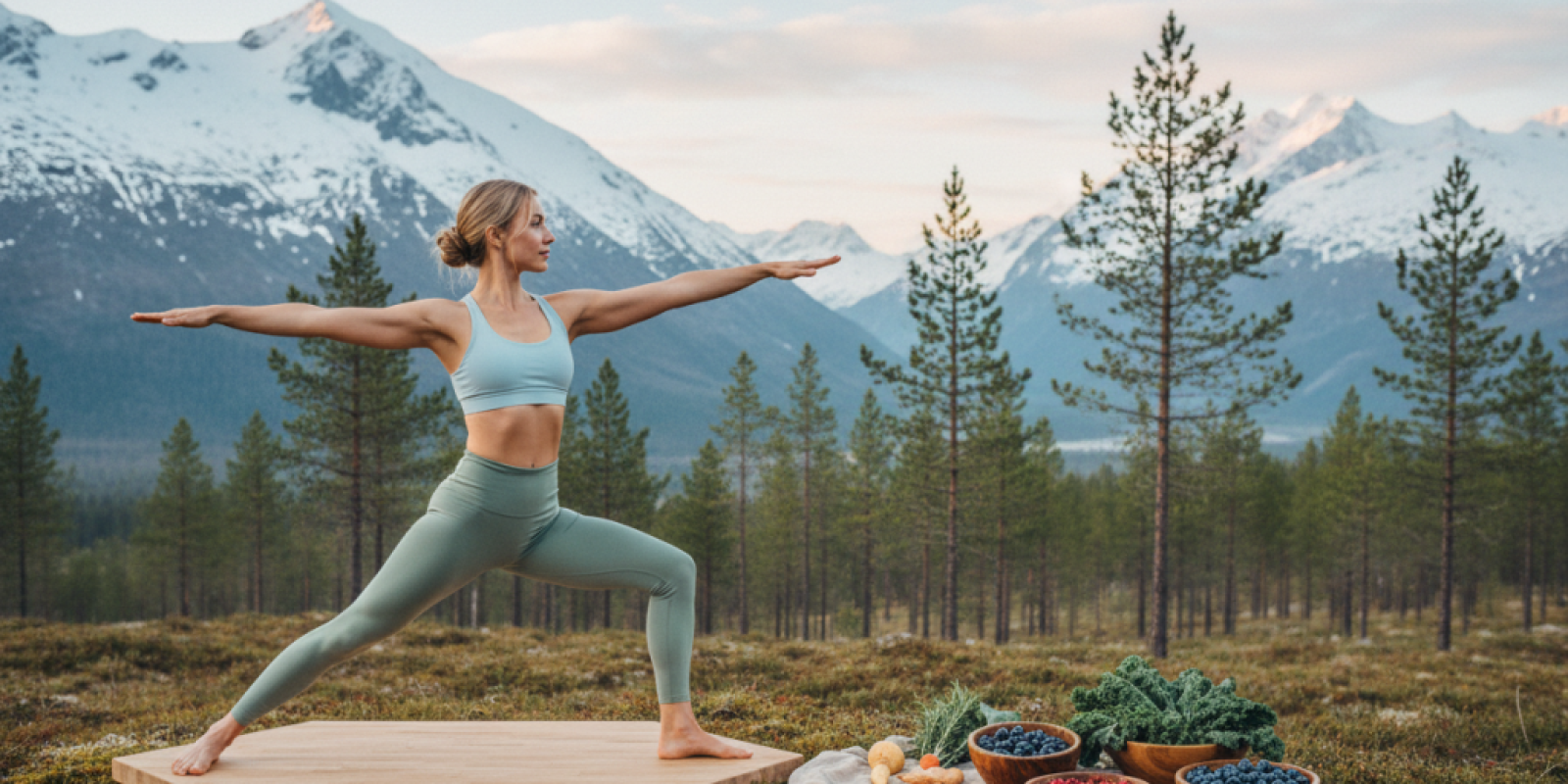
The Scandinavian Approach to Women’s Fitness and Seasonal Eating: A Holistic Guide to Nordic Wellness
Table of Contents
1. Introduction to Nordic Wellness Philosophy
2. The Foundation of Scandinavian Women’s Fitness
3. Seasonal Eating Principles from the North
4. Spring: Renewal and Fresh Beginnings
5. Summer: Abundance and Active Living
6. Autumn: Preparation and Grounding
7. Winter: Comfort and Inner Strength
8. Integrating Nordic Principles into Modern Life
9. The Mental Health Benefits of Scandinavian Wellness
10. Frequently Asked Questions
Introduction to Nordic Wellness Philosophy
When you think of Scandinavian women, images of glowing skin, effortless strength, and a deep connection to nature probably come to mind. There’s something uniquely captivating about the Nordic approach to wellness that goes far beyond trendy fitness routines or restrictive diets. The Scandinavian approach to women’s fitness and seasonal eating represents a centuries-old wisdom that prioritizes balance, sustainability, and harmony with natural rhythms.
Living in countries where daylight varies dramatically throughout the year, Scandinavian women have developed an intuitive understanding of how seasonal changes affect both body and mind. This approach isn’t about pushing through pain or forcing your body into submission – it’s about working with your natural cycles and the environment around you.
The Nordic wellness philosophy embraces the concept of “lagom,” a Swedish word meaning “just the right amount” or “balanced moderation.” This principle extends to every aspect of health, from movement to nutrition, creating a sustainable lifestyle that actually enhances rather than depletes your energy reserves.

The Foundation of Scandinavian Women’s Fitness
Scandinavian fitness culture differs significantly from the high-intensity, no-pain-no-gain mentality often promoted elsewhere. Nordic women understand that true fitness comes from consistent, enjoyable movement that adapts to life’s natural ebb and flow.
The cornerstone of Scandinavian fitness is outdoor activity, regardless of weather conditions. This practice, known as “friluftsliv” (literally “free air life”), encourages women to embrace nature as their primary gymnasium. Whether it’s cross-country skiing through snow-covered forests, hiking along coastal paths, or simply taking daily walks in the crisp air, outdoor movement forms the backbone of Nordic fitness.
Strength training in Scandinavian culture focuses on functional movements that support daily activities and seasonal demands. Rather than isolating muscle groups for aesthetic purposes, Nordic fitness emphasizes building practical strength that helps women thrive in their environment – carrying groceries through snow, chopping firewood, or maintaining balance on icy surfaces.
Recovery and rest are treated with equal importance to active movement. Saunas, a integral part of Scandinavian culture, provide both physical recovery and mental restoration. The practice of alternating between heat and cold exposure supports circulation, reduces inflammation, and builds resilience – both physical and mental.
Seasonal Eating Principles from the North
Seasonal eating in Scandinavia isn’t a modern wellness trend – it’s a survival strategy that has evolved over millennia. Nordic women have always understood that eating with the seasons provides optimal nutrition while supporting the body’s changing needs throughout the year.
The Scandinavian approach to seasonal eating emphasizes whole, minimally processed foods that are naturally available during each season. This practice supports local ecosystems, reduces environmental impact, and ensures that women receive the specific nutrients their bodies need during different times of the year.
Preservation techniques play a crucial role in Nordic seasonal eating. Fermentation, smoking, pickling, and drying aren’t just methods of food storage – they’re ways to enhance nutritional value and support digestive health. These traditional preservation methods create foods rich in probiotics and concentrated nutrients that sustain women through long, dark winters.
The Nordic diet naturally emphasizes anti-inflammatory foods like fatty fish, berries, root vegetables, and whole grains. These foods provide sustained energy and support hormonal balance, which is particularly important for women navigating the challenges of seasonal mood changes and varying daylight exposure.
Spring: Renewal and Fresh Beginnings
Spring in Scandinavia brings a profound sense of renewal after months of darkness. This season represents rebirth, and Nordic women align their fitness and eating habits to support their body’s natural detoxification and energizing processes.
Spring fitness activities focus on gentle movement that awakens the body after winter’s slower pace. Long walks in the emerging daylight, light stretching routines, and gradually increasing outdoor activities help women transition from winter’s introspective energy to spring’s outward momentum. This isn’t the time for intense training – it’s about coaxing the body back to life with patience and care.
Nutritionally, spring emphasizes cleansing and renewal through fresh, green foods. Wild herbs like nettle and dandelion, early spring onions, and the first tender greens provide essential vitamins and minerals that support liver detoxification. Light, easily digestible foods help the body shed winter’s heavier energy while providing the nutrients needed for increased activity.
Nordic women often incorporate fasting or lighter eating periods during spring, not for weight loss, but to give their digestive systems a rest and reset. This practice aligns with the body’s natural tendency to eat less as daylight increases and activity levels rise.
Summer: Abundance and Active Living
Scandinavian summers, with their nearly endless daylight, represent a time of incredible energy and abundance. This season calls for maximum activity and the celebration of fresh, vibrant foods that grow in the extended sunlight.
Summer fitness in Nordic countries takes full advantage of the midnight sun. Hiking, swimming in cold lakes, cycling, and outdoor sports become daily activities rather than scheduled workouts. The extended daylight naturally supports higher energy levels and increased motivation for movement.
The summer diet bursts with fresh berries, leafy greens, herbs, and vegetables. Cloudberries, lingonberries, and blueberries provide powerful antioxidants that protect against the oxidative stress of increased sun exposure and activity. Fresh fish, caught from pristine Nordic waters, supplies omega-3 fatty acids that support brain function and reduce inflammation.
Scandinavian women use summer as a time to build reserves for the darker months ahead. This doesn’t mean overeating, but rather focusing on nutrient-dense foods that will support immune function and mood stability during winter. The practice of foraging for wild foods connects women to their environment while providing superior nutrition.
Autumn: Preparation and Grounding
Autumn in Scandinavia is a time of preparation, both physically and mentally. As daylight begins to decrease and temperatures drop, Nordic women adjust their routines to support their body’s transition toward winter’s more introspective energy.
Fall fitness activities begin to move indoors while still maintaining connection to nature. Strength training becomes more important as the body prepares for winter’s challenges. Nordic women focus on building core strength and stability that will support them through months of potentially less activity.
The autumn diet emphasizes warming, grounding foods that provide sustained energy and comfort. Root vegetables like turnips, parsnips, and potatoes become staples, providing complex carbohydrates that support serotonin production as daylight decreases. Hearty stews, rich bone broths, and preserved foods begin to feature more prominently in daily meals.
This is also the prime season for food preservation activities. Smoking fish, fermenting vegetables, and making preserves aren’t just practical activities – they’re meditative practices that help women mentally prepare for winter while ensuring nutritional security during the darker months.
Winter: Comfort and Inner Strength
Scandinavian winters demand a completely different approach to fitness and nutrition. Rather than fighting against the season’s natural tendency toward rest and introspection, Nordic women embrace winter as a time for building inner strength and maintaining resilience.
Winter fitness focuses on maintaining strength and circulation rather than building or losing. Indoor activities like yoga, strength training, and dance help maintain muscle mass and bone density. When outdoor activities do occur, they’re often social and celebratory – cross-country skiing with friends, ice swimming followed by sauna sessions, or winter hiking with warm beverages.
The winter diet provides comfort and warmth while supporting mood and immune function. Fatty fish becomes even more important, providing vitamin D and omega-3s that support mental health during dark months. Fermented foods like sauerkraut and kefir support gut health, which is crucial for immune function and mood regulation.
Nordic women understand that winter weight gain isn’t failure – it’s biology. Rather than restricting calories, they focus on nutrient density and foods that provide sustained energy and satisfaction. Warming spices like ginger, cardamom, and cinnamon not only add flavor but also support circulation and digestion.
Integrating Nordic Principles into Modern Life
You don’t need to live in Scandinavia to benefit from Nordic wellness principles. These approaches can be adapted to any climate and lifestyle with some thoughtful modifications.
Start by paying attention to your local seasons and how they affect your energy levels, mood, and cravings. Even in warmer climates, there are subtle seasonal shifts that can guide your fitness and eating choices. Notice when you naturally feel more energetic or when you crave different types of foods.
Incorporate outdoor movement into your routine regardless of weather. The Scandinavian saying “There’s no bad weather, only bad clothes” reminds us that consistent outdoor activity builds both physical and mental resilience. Even a daily walk in varying weather conditions can provide significant benefits.
Focus on seasonal, local foods when possible. This practice connects you to your environment while often providing better nutrition and flavor. Learn basic preservation techniques like fermentation or freezing to extend the benefits of seasonal eating throughout the year.
Embrace the concept of lagom in your approach to fitness and nutrition. Instead of extreme measures, focus on sustainable practices that you can maintain long-term. This might mean choosing moderate exercise that you enjoy over intense workouts that you dread.
The Mental Health Benefits of Scandinavian Wellness
The Nordic approach to fitness and seasonal eating provides profound mental health benefits that extend far beyond physical wellness. By working with natural rhythms rather than against them, women often experience reduced anxiety, improved mood stability, and greater life satisfaction.
The practice of seasonal eating helps regulate circadian rhythms and supports neurotransmitter production. Foods rich in tryptophan, omega-3 fatty acids, and B vitamins naturally support serotonin and dopamine production, which are crucial for mood regulation.
Regular outdoor activity, regardless of weather, provides exposure to natural light that helps regulate sleep cycles and mood. The practice of embracing all weather conditions builds psychological resilience and reduces the tendency to feel victimized by circumstances beyond our control.
The social aspects of Nordic wellness – sharing saunas, group outdoor activities, and communal food preparation – provide essential social connection that supports mental health. These practices remind us that wellness isn’t a solitary pursuit but a community experience.
Frequently Asked Questions
Q: Can I follow Scandinavian seasonal eating if I live in a warm climate?
A: Absolutely! Focus on the principles rather than specific foods. Pay attention to your local seasons and choose foods that are naturally available during each time of year. Even warm climates have seasonal variations in produce availability and weather patterns.
Q: How do I start incorporating more outdoor activity into my routine?
A: Begin small with daily walks, regardless of weather. Invest in appropriate clothing for your climate and gradually increase outdoor time. The key is consistency rather than intensity.
Q: Is the Scandinavian approach suitable for women with specific dietary restrictions?
A: Yes, the principles of seasonal eating and listening to your body can be adapted to any dietary needs. Focus on whole, seasonal foods that work within your restrictions and emphasize the timing and mindfulness aspects of Nordic eating.
Q: How do I maintain motivation for outdoor exercise during challenging weather?
A: Reframe your relationship with weather by viewing it as an opportunity to build resilience. Invest in quality gear, start with shorter durations, and focus on how you feel after outdoor activity rather than during it.
Q: What if I don’t have access to traditional Nordic foods like cloudberries or fresh fish?
A: Focus on the principles: seasonal eating, whole foods, fermented foods, and anti-inflammatory choices. Use local alternatives that provide similar nutritional benefits – for example, local berries instead of cloudberries, or sustainably sourced fish from your region.
The Scandinavian approach to women’s fitness and seasonal eating offers a refreshing alternative to modern wellness culture’s often extreme and unsustainable practices. By embracing the wisdom of working with natural rhythms, prioritizing balance, and finding joy in simple, consistent practices, women can develop a relationship with their bodies and food that supports long-term health and happiness. This isn’t about perfection – it’s about finding your own version of lagom and trusting that small, consistent choices aligned with natural wisdom can create profound transformation over time.