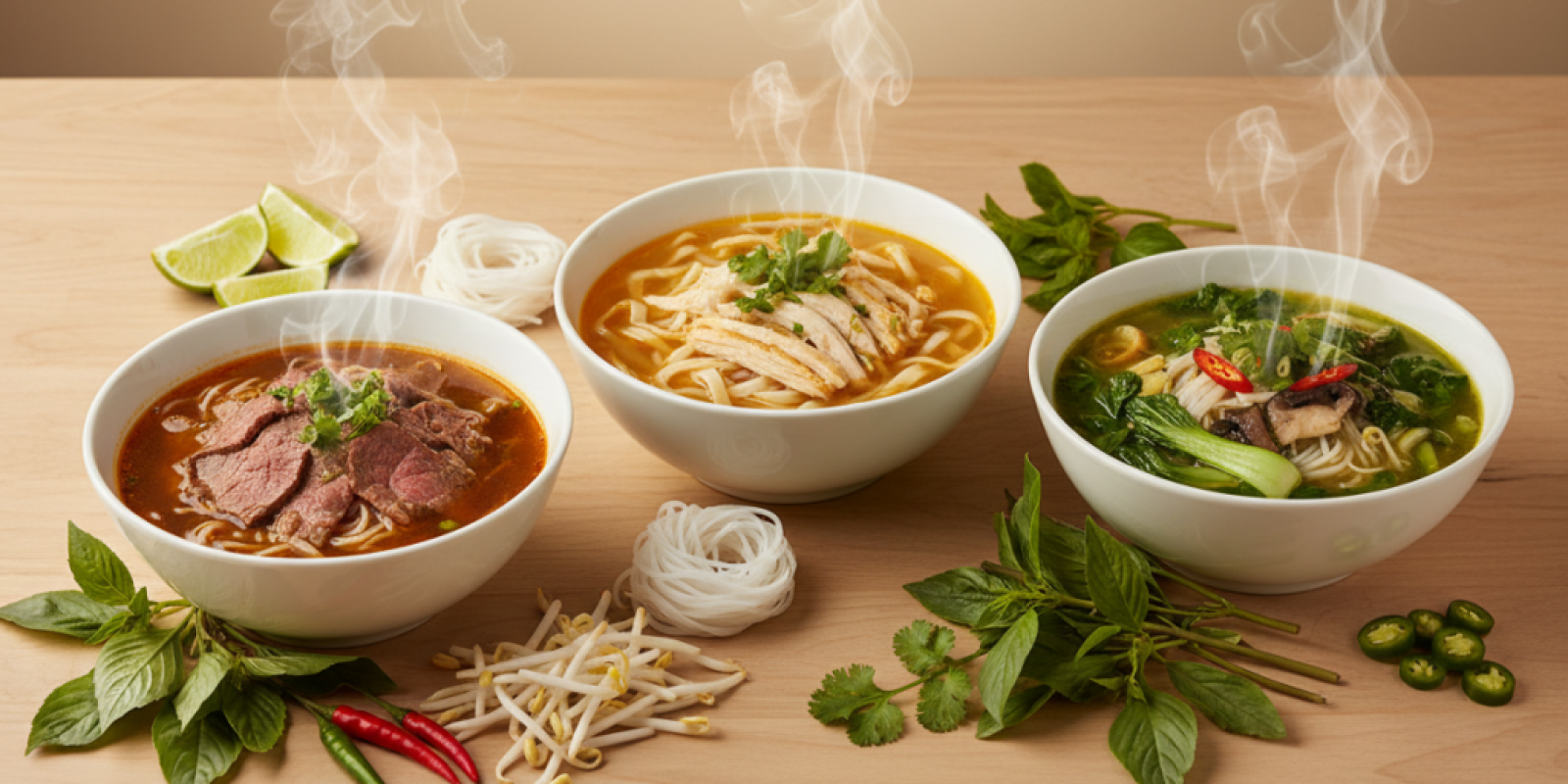
Vietnamese Pho Variations: Quick, Healthy Recipes for Recovery
Table of Contents
1. Introduction: The Healing Power of Pho
2. Why Pho is Perfect for Recovery
3. Essential Ingredients for Healthy Pho
4. Quick Recovery Pho Variations
4.1 Immunity-Boosting Chicken Pho
4.2 Protein-Rich Beef Pho
4.3 Vegetarian Recovery Pho
4.4 Seafood Pho for Omega-3s
5. Time-Saving Tips for Busy Schedules
6. Nutritional Benefits Breakdown
7. Storage and Meal Prep Strategies
8. Conclusion
9. Frequently Asked Questions
Introduction: The Healing Power of Pho
There’s something magical about a steaming bowl of pho that goes beyond mere sustenance. As someone who’s spent countless hours perfecting homemade versions of this Vietnamese staple, I can tell you that pho isn’t just comfort food – it’s medicine in a bowl. Whether you’re recovering from illness, bouncing back from an intense workout, or simply need nourishment for your soul, pho delivers exactly what your body craves.
Traditional pho takes hours to prepare, with bones simmering slowly to create that rich, complex broth. But what if I told you that you could capture the essence of this healing soup in a fraction of the time? These quick, healthy pho variations maintain all the nutritional benefits while fitting perfectly into our busy modern lives.
Why Pho is Perfect for Recovery
Vietnamese pho has earned its reputation as the ultimate recovery food for good reason. The combination of warm, aromatic broth, easily digestible proteins, and fresh herbs creates a nutritional powerhouse that supports healing on multiple levels.
The star-anise-infused broth provides natural anti-inflammatory compounds, while the gentle warmth helps improve circulation and digestion. Fresh herbs like cilantro, Thai basil, and mint deliver antioxidants that support immune function. The rice noodles offer quick energy without overwhelming a sensitive stomach, making pho ideal for those recovering from illness or digestive issues.
What makes pho particularly special is its adaptability. You can adjust the protein content for muscle recovery, increase the vegetable ratio for extra vitamins, or modify the spice level based on your tolerance. This flexibility makes it perfect for addressing specific recovery needs.
Essential Ingredients for Healthy Pho
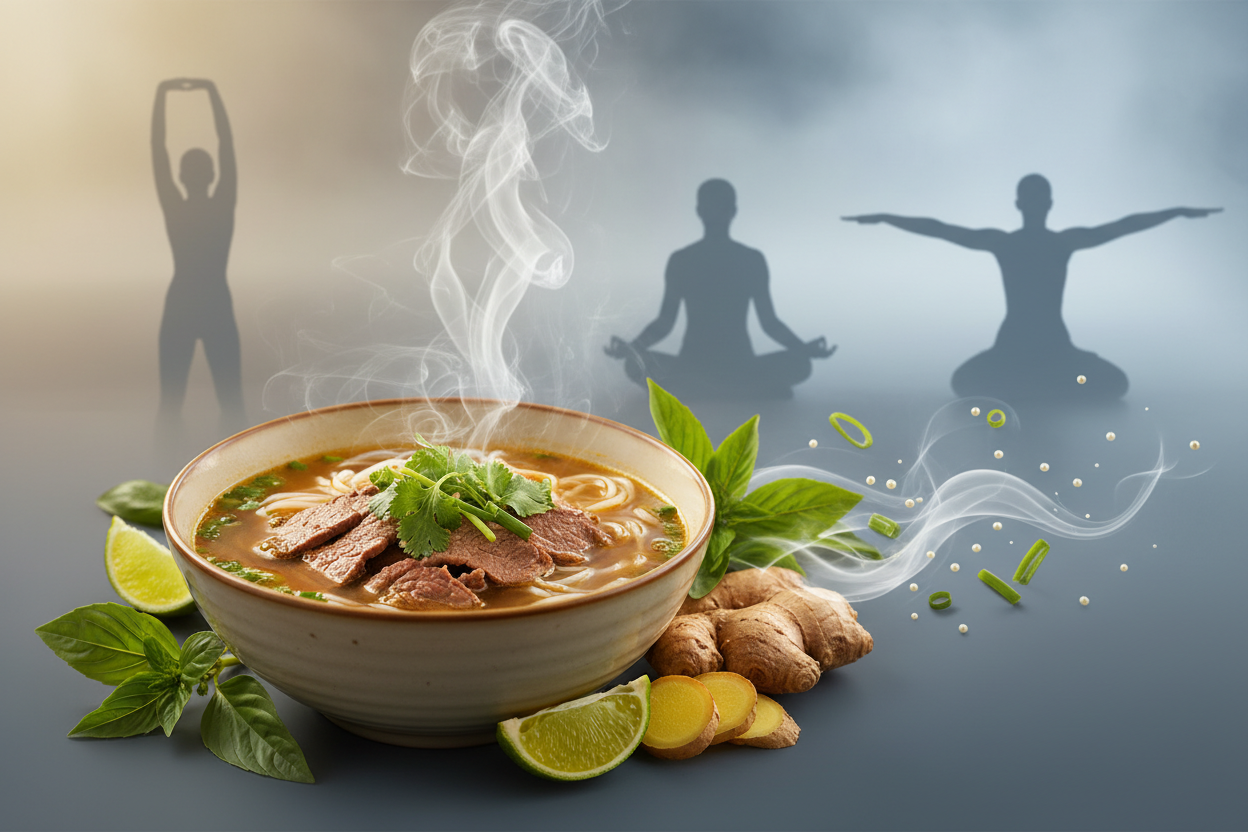
Creating nutritious pho variations starts with understanding the core components that make this dish so beneficial. The foundation lies in quality ingredients that work together to maximize both flavor and health benefits.
For the broth base, bone broth provides collagen and minerals essential for tissue repair. If you’re short on time, high-quality store-bought bone broth works wonderfully. The aromatics – ginger, onion, star anise, cinnamon, and cloves – aren’t just for flavor; they’re packed with anti-inflammatory and digestive properties.
Rice noodles remain the traditional choice, but you can substitute with shirataki noodles for fewer carbs or whole grain options for added fiber. Fresh herbs are non-negotiable – cilantro, Thai basil, mint, and scallions provide essential vitamins and that authentic pho experience.
Protein options should be lean and easily digestible. Think thinly sliced beef, poached chicken breast, firm tofu, or fresh seafood. Each brings unique nutritional benefits to support different aspects of recovery.
Quick Recovery Pho Variations
Immunity-Boosting Chicken Pho
This variation focuses on supporting immune function with ingredients known for their healing properties. Start with a base of chicken bone broth, enhanced with fresh ginger, turmeric, and garlic. The combination creates a golden, anti-inflammatory elixir that rivals any commercial immune supplement.
Poach chicken breast directly in the seasoned broth to keep it tender and infuse additional flavor. Add shiitake mushrooms for their immune-supporting beta-glucans, and finish with plenty of fresh herbs. A squeeze of lime and a dash of fish sauce complete this healing bowl.
The beauty of this version lies in its simplicity – it comes together in just 20 minutes while delivering maximum nutritional impact. The warm spices help clear congestion, while the protein supports tissue repair during recovery.
Protein-Rich Beef Pho
Perfect for post-workout recovery or rebuilding after illness, this variation maximizes protein content without sacrificing digestibility. Use beef bone broth as your base, enriched with marrow bones if available for extra nutrients.
Thinly slice lean beef – eye of round or sirloin work beautifully – and let the hot broth cook it gently when poured over. This technique ensures tender meat while preserving the beef’s nutritional value. Add soft-boiled eggs for complete amino acid profiles and extra B vitamins.
Bean sprouts and herbs provide vitamin C to enhance iron absorption from the beef, creating a synergistic effect that maximizes the nutritional benefits. This version typically contains 25-30 grams of high-quality protein per serving.
Vegetarian Recovery Pho
Plant-based recovery doesn’t mean sacrificing flavor or nutrition. This variation builds umami depth through mushroom broth, miso paste, and kombu seaweed. The result is a rich, satisfying broth that rivals any meat-based version.
Firm tofu provides complete protein, while edamame adds extra amino acids and fiber. Shiitake and enoki mushrooms contribute B vitamins and minerals essential for energy metabolism. The key is building layers of flavor through proper seasoning and high-quality ingredients.
This version particularly shines for those with digestive sensitivities, as plant proteins are often easier to process during recovery periods. The abundance of vegetables provides antioxidants and phytonutrients that support cellular repair.
Seafood Pho for Omega-3s
When recovery requires anti-inflammatory support, this seafood variation delivers essential omega-3 fatty acids in a delicious, warming package. Use a light fish stock or dashi as your base, keeping the flavor clean and oceanic.
Salmon, shrimp, or white fish work beautifully, cooking quickly in the hot broth. The omega-3s from seafood support brain health and reduce inflammation throughout the body. Seaweed adds iodine and additional minerals often depleted during illness or stress.
Keep this version light and clean, allowing the natural flavors of the seafood to shine. A touch of miso adds depth without overwhelming the delicate fish flavors.
Time-Saving Tips for Busy Schedules
The biggest barrier to homemade pho is often time, but smart preparation strategies can have you enjoying healing bowls in minutes. Batch-cooking broth on weekends provides the foundation for quick weekday meals. Properly stored bone broth keeps for up to a week in the refrigerator or months in the freezer.
Pre-cut vegetables and portion proteins ahead of time. Thinly sliced meats freeze well and thaw quickly, while pre-cooked proteins like rotisserie chicken can be shredded and added directly to hot broth. Keep rice noodles cooked and stored in the refrigerator – they reheat beautifully when rinsed with hot water.
Invest in quality shortcuts when needed. High-end store-bought bone broths, pre-made spice blends, and frozen herbs can significantly reduce prep time without compromising nutritional value. The goal is consistency in your recovery nutrition, not perfection in every homemade component.
Nutritional Benefits Breakdown
Understanding the specific nutritional advantages of pho helps you optimize recipes for your recovery needs. The collagen in bone broth supports joint health and skin repair, while the glycine content promotes better sleep – crucial for recovery processes.
The herb combination provides a spectrum of vitamins and antioxidants. Cilantro supports heavy metal detoxification, while Thai basil offers anti-inflammatory compounds. Mint aids digestion, and scallions provide sulfur compounds that support liver function.
The rice noodles offer quick carbohydrates for energy replenishment without causing digestive stress. For those managing blood sugar, the protein and fat from meat or tofu help moderate glucose response, creating sustained energy rather than spikes and crashes.
Each bowl typically provides 20-30 grams of protein, essential B vitamins, minerals like zinc and iron, and a variety of phytonutrients from herbs and vegetables. The warm temperature aids nutrient absorption while providing comfort during recovery.
Storage and Meal Prep Strategies
Successful pho meal prep requires understanding which components store well and which are best prepared fresh. Broth is your make-ahead champion – it actually improves with time as flavors meld and develop complexity.
Store cooked proteins separately from broth to maintain texture and prevent overcooking. Rice noodles should be slightly undercooked if you plan to reheat them, as they’ll continue cooking when reheated with hot broth.
Fresh herbs don’t store well once chopped, so keep them whole and prepare just before serving. However, you can make herb oils or pastes that capture fresh flavors while extending shelf life.
For grab-and-go convenience, portion individual servings in containers with broth, protein, and vegetables. Add noodles and fresh herbs when ready to eat. This system provides homemade pho in under five minutes – perfect for busy recovery periods when cooking feels overwhelming.
Conclusion
Vietnamese pho represents more than just a meal – it’s a complete recovery system wrapped in comfort and tradition. These quick, healthy variations prove that you don’t need to sacrifice nutrition or authenticity for convenience. Whether you’re recovering from illness, supporting athletic performance, or simply nourishing your body through stressful times, these adaptable recipes provide the foundation for healing.
The key lies in understanding that recovery nutrition doesn’t have to be complicated or time-consuming. With smart preparation and quality ingredients, you can have healing bowls of pho ready whenever your body needs them most. Start with one variation that appeals to you, master the technique, then experiment with others to keep your recovery meals interesting and nutritionally diverse.
Remember, the best recovery food is the one you’ll actually eat consistently. These pho variations offer that perfect balance of nutrition, comfort, and practicality that makes healthy eating sustainable even during challenging times.
Frequently Asked Questions
Q: Can I make pho without bone broth?
A: Absolutely! While bone broth provides optimal nutrition, you can create delicious pho using vegetable broth, mushroom broth, or even high-quality chicken stock. The key is building flavor through aromatics and seasonings.
Q: How long does homemade pho broth keep?
A: Properly stored pho broth lasts 4-5 days in the refrigerator and up to 6 months in the freezer. Always cool completely before storing and reheat thoroughly before serving.
Q: Are rice noodles necessary for authentic pho?
A: While rice noodles are traditional, you can substitute with shirataki noodles for lower carbs, whole grain noodles for added fiber, or even spiralized vegetables for a lighter option. The broth and herbs provide the authentic pho experience.
Q: Can I make pho spicy for additional health benefits?
A: Yes! Adding fresh chilies, sriracha, or chili oil provides capsaicin, which has anti-inflammatory properties and may boost metabolism. Start with small amounts and adjust to your tolerance.
Q: Is pho suitable for people with food allergies?
A: Pho is naturally gluten-free when made with rice noodles, and can easily be adapted for various dietary restrictions. Use tamari instead of soy sauce for gluten sensitivity, and choose proteins that fit your specific needs.
Q: How can I boost the protein content of vegetarian pho?
A: Add firm tofu, tempeh, edamame, hemp seeds, or a soft-boiled egg. Miso paste in the broth also contributes protein along with probiotics and umami flavor.